
It’s getting close to that time of year when college acceptance letters arrive and high schoolers must decide on the next chapter of their education. Community college is the best option for high school students and it should be their first choice.
When I graduated from high school, I was still undecided on my major and whether I wanted to transfer to a state or a public university. Attending a junior college gave me the financial incentive to take lower-division class requirements for the California State University General Education and the Intersegmental General Education Transfer Curriculum.
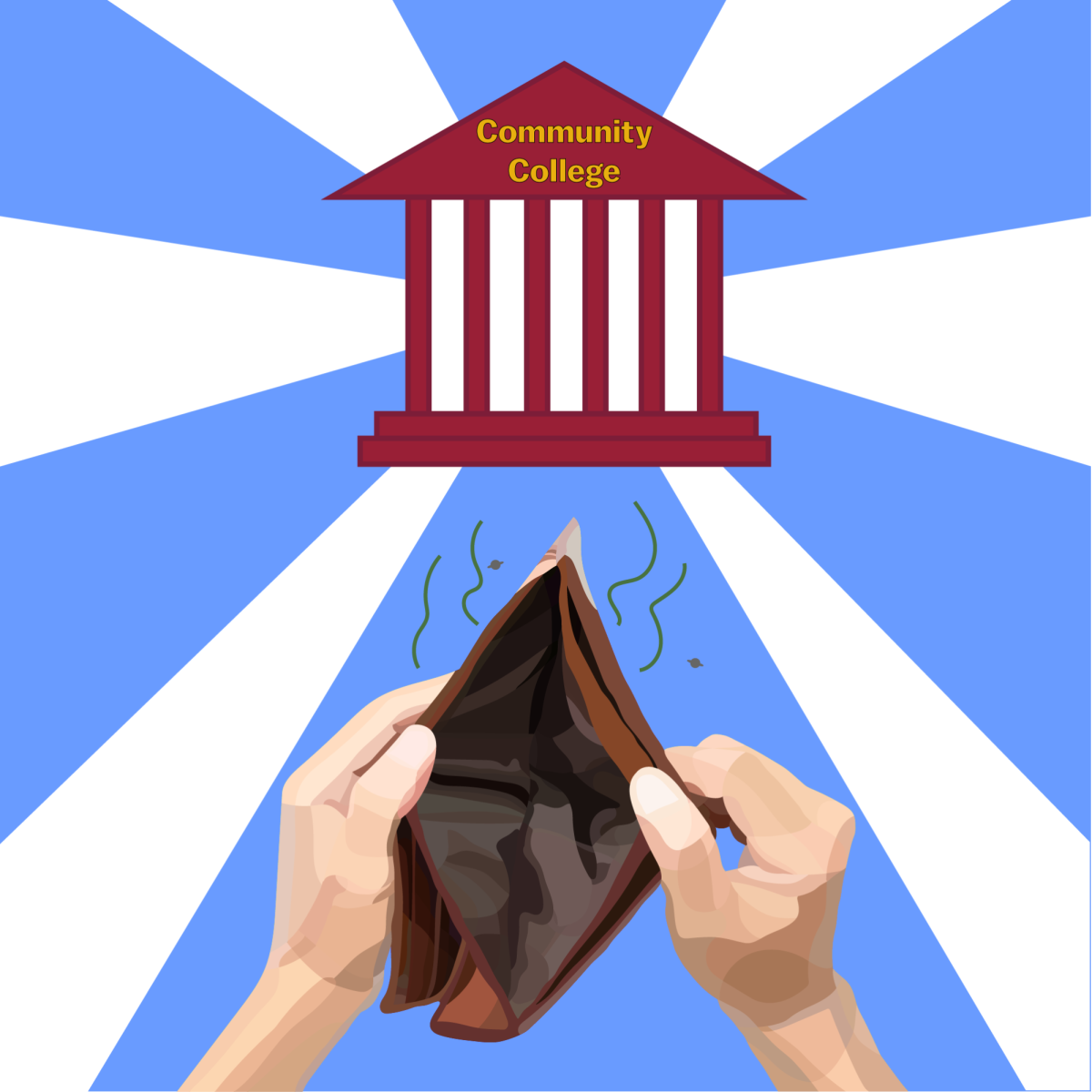
According to a 2022 College Board study, in-district tuition at a community college costs around one-third of in-state tuition at four-year public universities.
A junior college lower division general education and major class requirements are the same as many four-year schools, so community college students will be saving a lot of money on tuition costs.
Community colleges often provide students with the highest priority for admission because they have transfer agreements with many four-year universities. These agreements allow students who complete specific requirements to easily transfer into a four-year program at a nearby university.
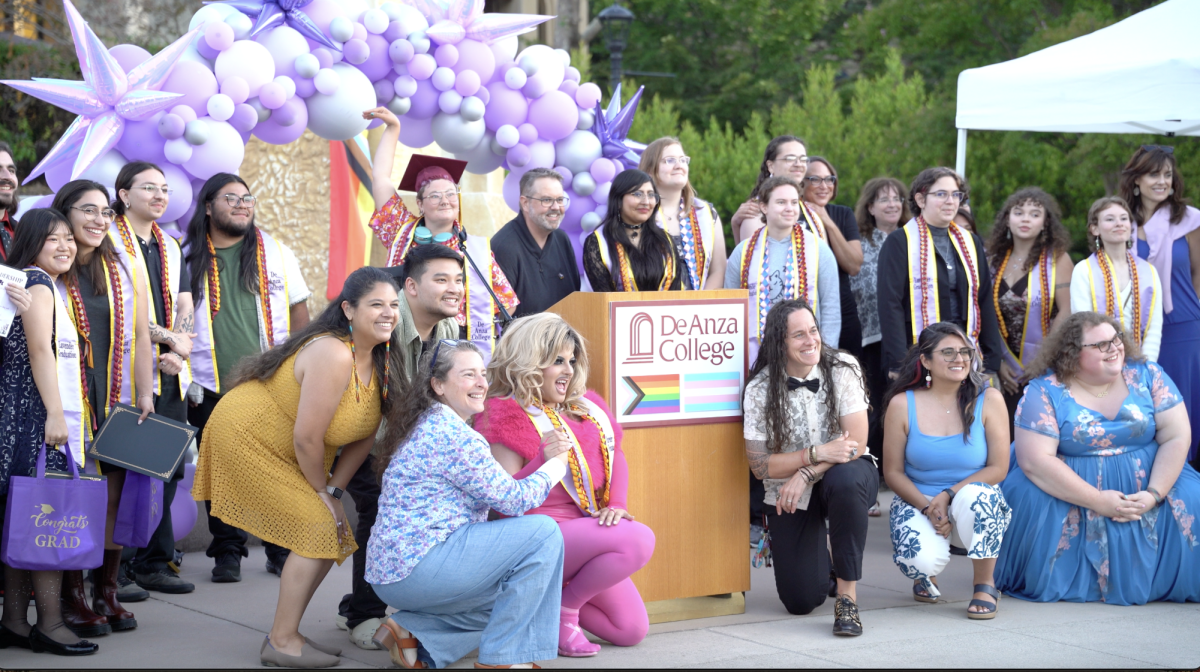
I attended De Anza College and found out they have a Transfer Admission Agreement with several CSU and University of California institutions. This agreement gave me admission priority over high school students and other intercollegiate transferees.
Community colleges have many of the same majors as a traditional college, but they also teach various trades that are found at a vocational school.
I finally transferred to CSU Hayward at the time and they ended up changing their school name to Cal State East Bay. The name change was an attempt to obtain more government funding to help lower student tuition, but the cost is still higher than a community college.
Even after I graduated in 2006 and went to work in the accounting sector, I still find myself coming back to De Anza from time to time to take classes to learn a certain skill set or obtain a special certificate for work.
Students can work on attaining a two-year associate degree or a certificate at a community college that is required to enter the workforce in specific fields. They can also apply these class credits toward a bachelor’s degree.
As a returning college student after working in the accounting industry for some time, I have decided to pivot toward a different career. De Anza offers several associate degrees that I am working toward obtaining, and to my surprise, the abundance of resources and advanced equipment available at my fingertips dwarfs many four-year institutions.
Most community colleges offer high school students more opportunities for dual enrollment where they can take college-level courses.
Students can apply these college enrollment credits towards their high school diploma and then transfer the credits to either a community college or a four-year university with the aid of ASSIST, which matches up equivalent courses between colleges..
Another benefit of dual enrollment is that students do not have to pass an exam to earn college credits, such as the requirements for an Advanced Placement class.
One of my La Voz colleagues has been participating in this dual enrollment program since he was a high school sophomore. While teenagers his age are spending their adolescence in classes without college credit, he is working toward achieving his goals and getting a head start on his career.
This may be my second rendezvous with De Anza, but this time, I truly appreciate the resources that community colleges provide. Junior colleges offer a more strategic path towards students’ career goals while saving them money on tuition. All high school students should strongly consider attending a community college after graduation.