Remember how college used to look? Large campuses, lecture halls packed with students and busy student centers.
This traditional picture of higher education has undergone a significant transformation, thanks to long distance and online learning offering a great alternative to the rigid in-person schedule of attending college.
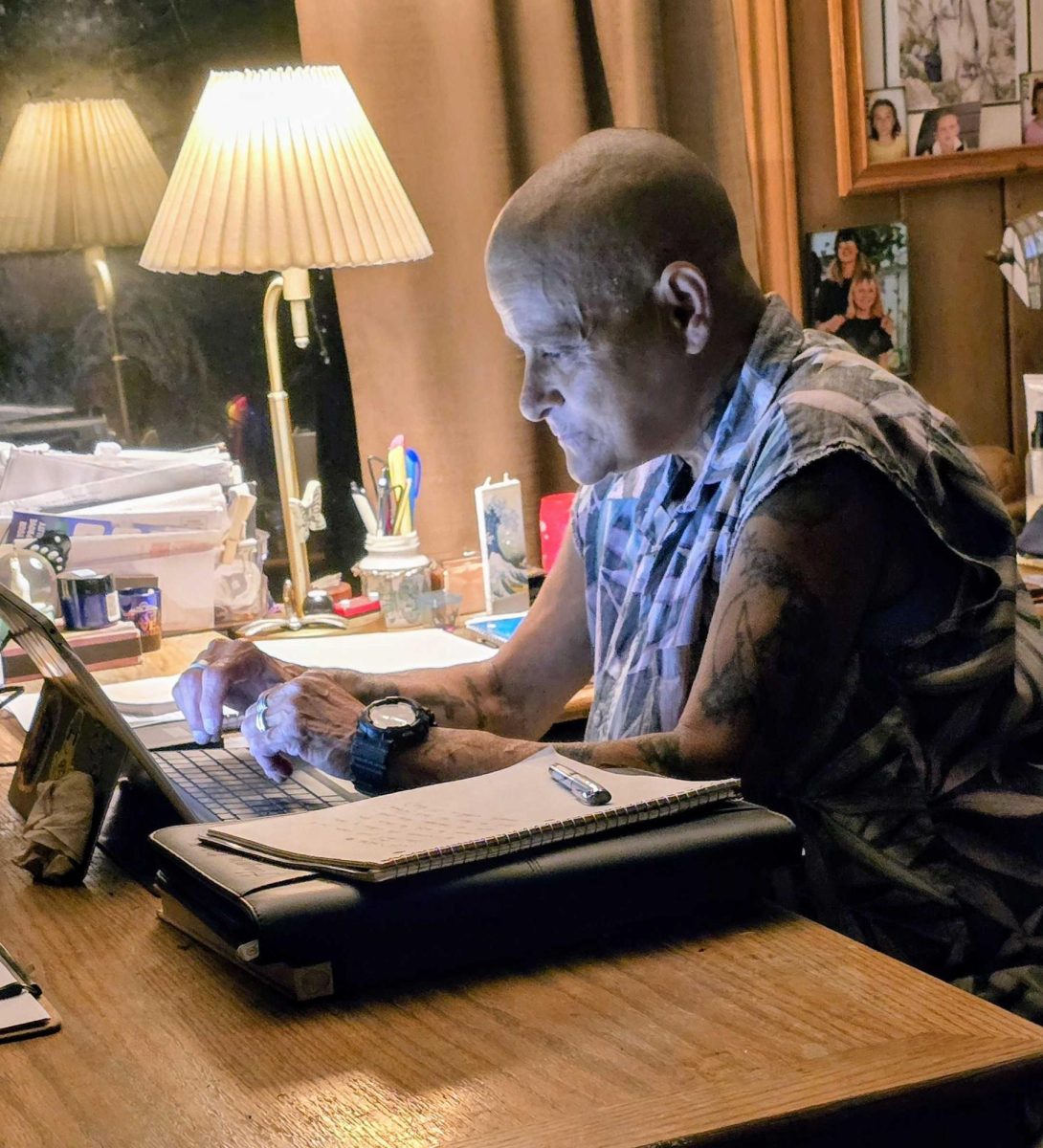
As a long-distance, online student who decided to return to school after a 34-year hiatus, I’ve observed the substantial advantages these changes offer firsthand. Online and long distance learning are proving to be not merely alternatives for learning: in many cases, they’re actually better options for a diverse range of learners.
One of the biggest reasons why long-distance and online learning is so amazing is the incredible accessibility and flexibility.
If you work a demanding schedule, juggle family responsibilities or live in a rural area like I do, the traditional college experience can feel like an impossible dream.
But with online platforms, you can pursue your academic goals from pretty much anywhere, at a pace that actually works with your life. Online learning empowers people who otherwise might not get a chance at a higher education.
Beyond just being accessible, online learning environments often spark innovative ways of teaching. The digital format actually encourages professors to rethink old-school lectures; they can use more interactive and engaging methods such as multimedia presentations, online projects and lively discussion forums as well as having access to those lectures via Zoom.
It can sometimes be tougher to keep students engaged and create the same sense of community when you’re not all in the same room. Missing that face-to-face interaction may make students feel a bit isolated, so instructors must work hard to create chances for students to make meaningful connections.
These tools can cater to all sorts of learning styles and lead to a deep understanding of complex subjects. With online courses, you can go back and rewatch the lectures or review materials whenever you need to, letting you grasp concepts at your own speed.
Of course, it’s important to be real about some of the challenges with long distance and online learning.
The biggest challenge, for me, is time management. Not attending classes in person means you can easily lose track of time. Instead of working on each subject a few hours a day, you find yourself scrambling to get assignments done the day they’re due.
Another challenge with not physically being in class: you can’t just walk up to the instructor after class to ask a question or get some help. You have to message them and wait for them to reply.
As we look ahead, it’s clear that long distance and online learning are only going to become more important in seeking a higher education.
The COVID-19 pandemic, as disruptive as it was, sped up our adoption of these technologies and showed us their potential on a global scale.
It’s likely we’ll see more and more hybrid models where students can easily switch between in-person and online learning, tailoring their educational experience to best fit their unique needs.
Ultimately, the success of long distance and online learning hinges on commitment to innovation, quality assurance and student support.
By embracing these ways of learning thoughtfully and strategically, we can build a more inclusive, flexible and effective higher education system for all.