This is the opinion of the writer and does not necessarily reflect the views of La Voz News.
I had finally completed my essay. It was a perfect piece to turn in, no worries about being graded poorly.
However, I was devastated when I clicked submit. The assignment was no longer available — I had gone past the deadline.
Perfectionism and procrastination took over punctuality, throwing all the work and potential out of the window.
The worst part about procrastination? The wait makes the anxiety worse, even if it gives me more time to get the creativity and motivation to write something good.
Many students now have a flexible schedule with more work than what they were used to in high school. According to the UnitedHealth Group, almost 50% of students transitioning from high school to college are more likely to report mental or behavioral health concerns.
Going to a statistics class twice a week had me in a state of dread by the ninth week. My professor was great and the topics were understandable, but the pacing of new information overloaded my brain.
Students’ lack of organization, demanding curricula and heavy coursework create a procrastination-prone environment.
This causes tasks to snowball, becoming more difficult and intimidating to address over time.
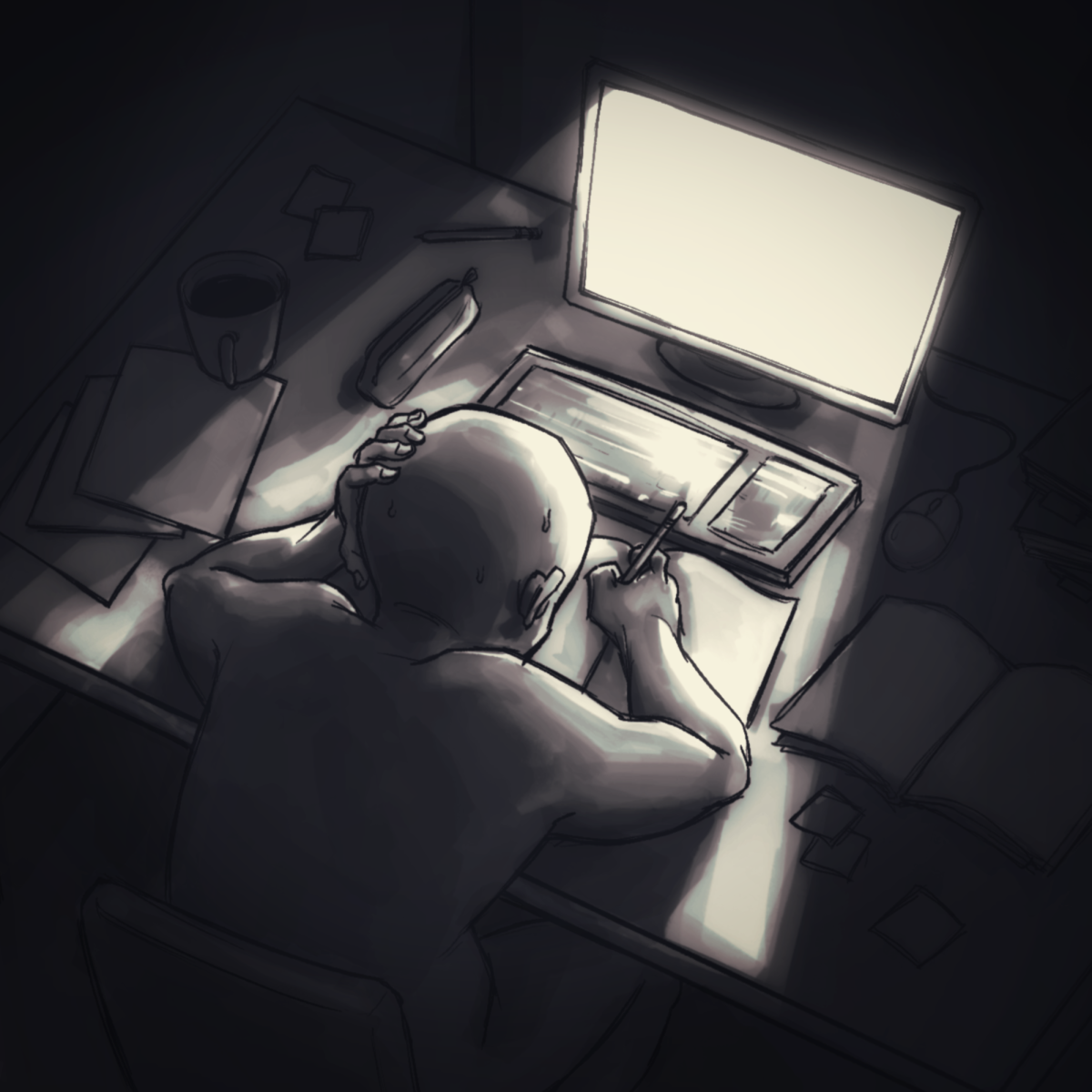
According to the Harvard Division of Sleep Medicine, many students resort to working on assignments late at night, causing them to lose sleep and worsen their memory.
Many students are vulnerable to this and may have increased responsibilities now that they are adults. Employment, family and other obligations take over my schedule, which is something that adds excess stress.
With many never adapting to this new system, procrastination goes from being the exception to being the rule.
While many of the factors causing this seem inflexible, there are still resources available that can alleviate the procrastination and promote better attitudes toward classes.
Academic skills workshops by the Student Success Center can help address issues that can improve work and timing. They offer anti-procrastination, time management and managing stress workshops.
The pomodoro method is a tool that helps me break a task into smaller pieces. Tasks can be split up using a list and worked on with adjustable short breaks in between, followed by a long break before the cycle repeats.
Keeping track of work and daily tasks with a planner or note-taking app makes the day more predictable and less stressful. While creating a complex system is tempting, consider starting simple and see what works best.
Procrastination is a chronic and deeply rooted problem, but can become less harmful with the right habits and assistance. Every time work is completed early, the entire week feels less anxious, building momentum to do more.
Dealing with procrastination may not have a simple fix, but is one of the best investments anyone can make.