The Academic Senate approved tier 1-A priority registration for Mathematics, Engineering and Science Achievement students on April 14, citing limited class space in pre-requisite STEM classes as a barrier for students fulfilling transfer requirements.
De Anza College’s MESA cohort program, which aims to support low-income and first generation students in calculus-based STEM majors, will now be part of the earliest registration group.
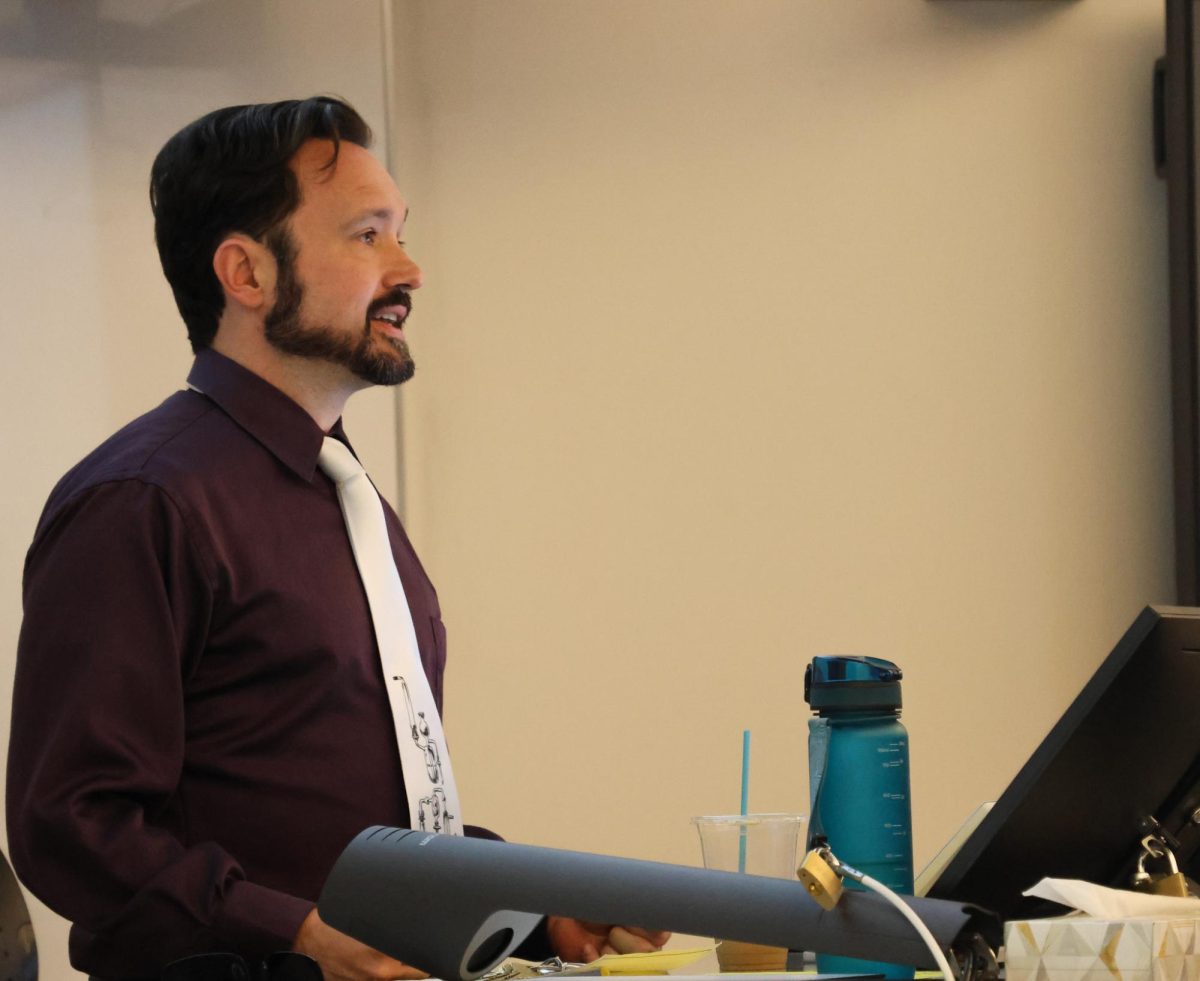
Academic Senate President Erik Woodbury said this motion will try to address systemic inequalities MESA students face.
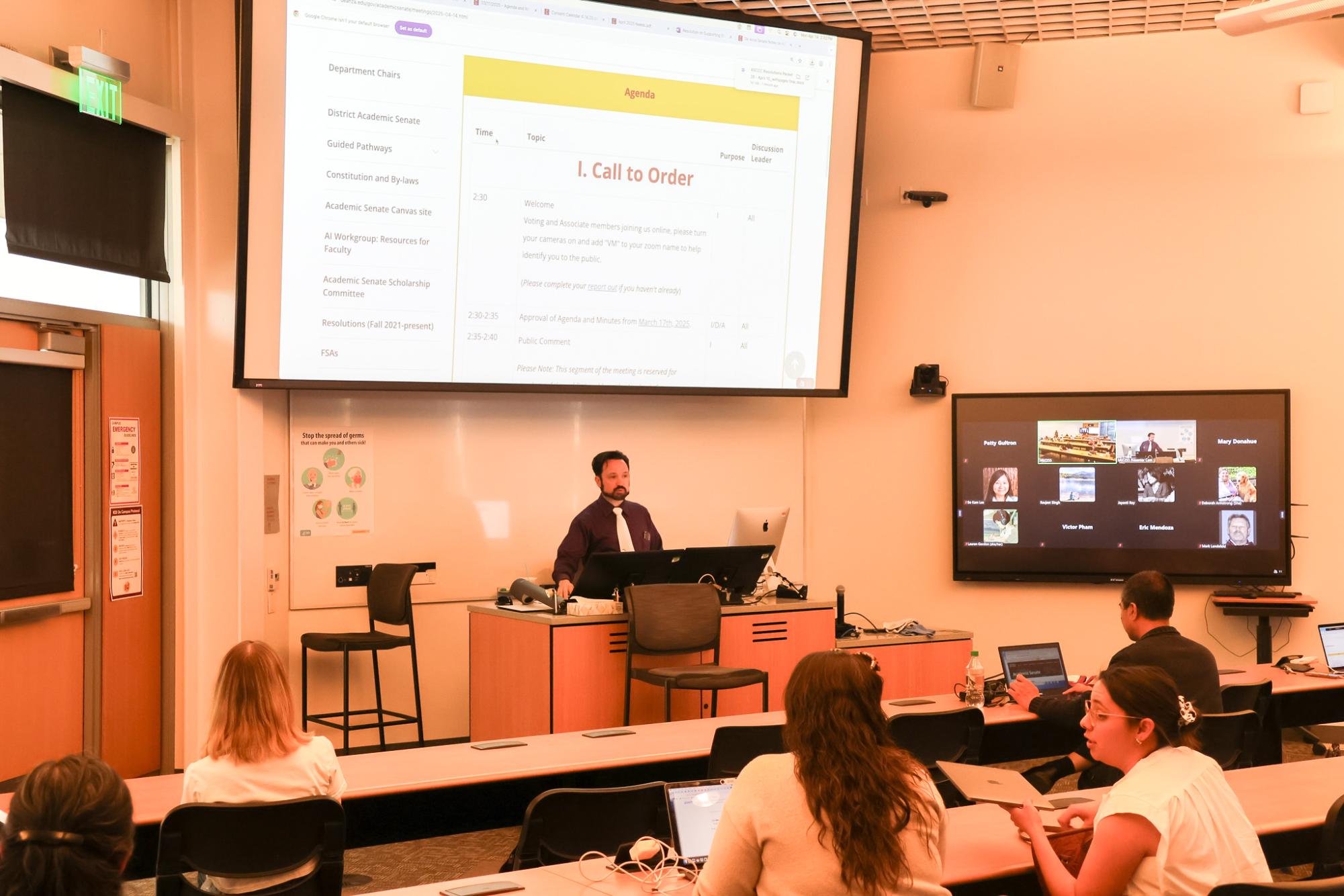
“We’re taking those people who did not have access to these resources, and we’re giving a leg up on purpose,” Woodbury said.
Veronica Acevedo Avila, an English instructor and former transfer counselor, said she favors the priority registration due to issues STEM-based majors face in enrolling in classes.
“As long as I can remember, our STEM students have had just this historical issue of having to get into your classes and having those classes be a prerequisite for classes that you need,” Avila said.
Mark Johnson, head men’s soccer coach, who voted against the motion, is concerned the motion to move MESA students to priority 1-A will negatively impact the student athlete population.
Student athletes are part of tier 2 priority registration, below veterans, foster youth, Disability Support Programs and Services, Extended Opportunity Programs and Services and CalWorks students in tier 1-A, and student parents in tier 1-B.
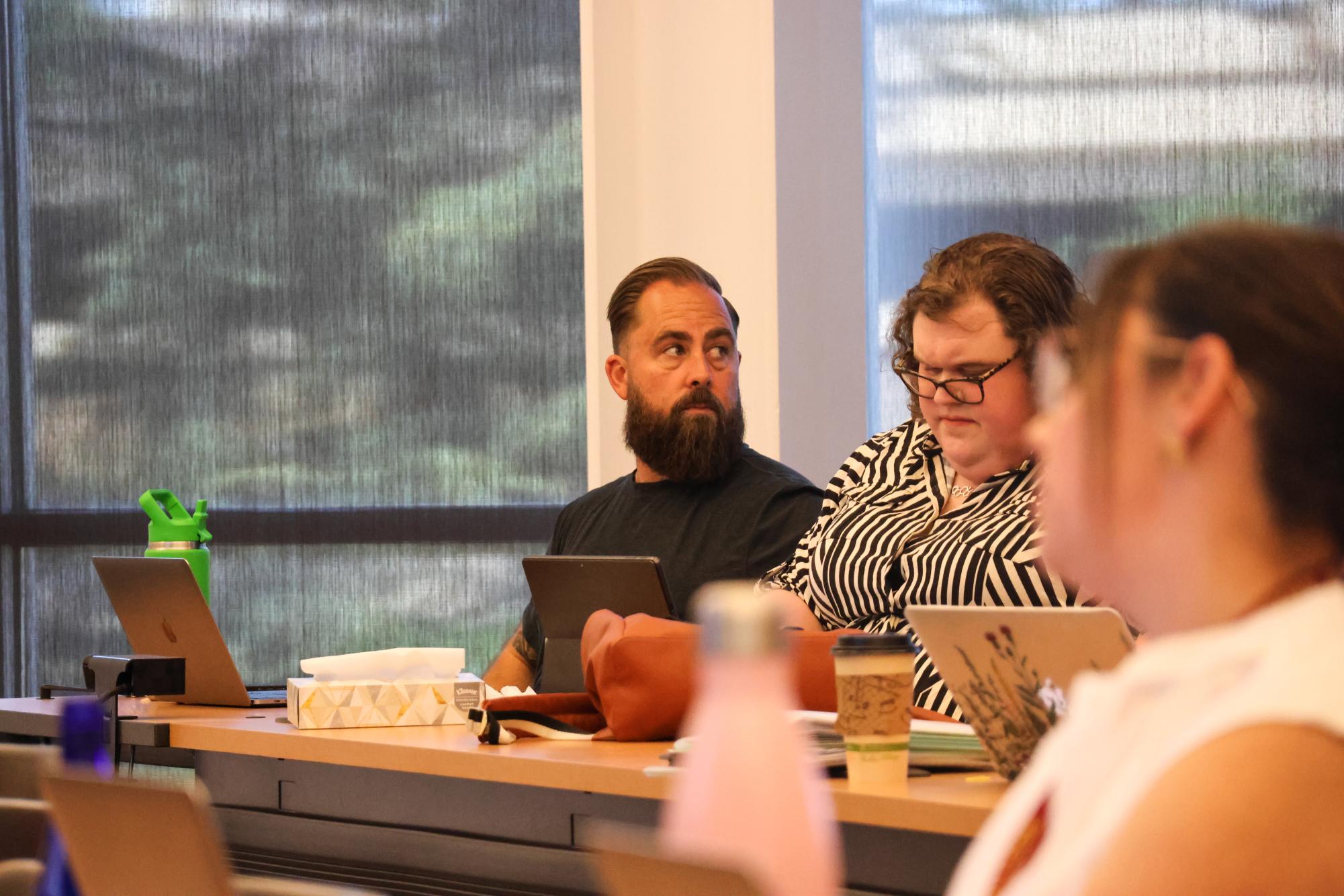
“I just want to make sure that our 350 athletes aren’t getting pushed down,” Johnson said.
Ishmael Tarikh, political science instructor, said he wonders if the motion calls into question who gets to be “toward the front of the line.”
“There is no doubt about the worthiness of MESA and the support it deserves, but it does raise questions about other groups and the help they need,” Tarikh said.
The motion to approve MESA students to priority registration tier 1A passed with 22 yeas and 2 nays, which were from Johnson and Mark Landefeld from the athletics department.
“I am very sympathetic to how this is going to impact our athletes, I’m also sympathetic to how this impacts our general student body,” Woodbury said. “Our other students have jobs and family obligations and their own challenges, that’s just the nature of community college.”
Viviana Alcazar, Spanish language and culture instructor, said she believes it’s extremely important to support MESA students in enrollment due to the impact students face by not getting into classes.
“For them it’s basically, ‘if I don’t complete my requirements, then I cannot transfer’ and how much is that costing them?” Alcazar said.