
Stevens Creek Boulevard is undergoing a two-year project that builds on prior transportation planning initiatives to establish a unified vision for the future of the corridor according to cupertino.org.
The Stevens Creek Boulevard Corridor Steering Committee that oversees this project, is composed of representatives from the cities of Cupertino, Santa Clara and San Jose in addition to employees from Santa Clara County and the Valley Transportation Authority. The committee has spent the last two years evaluating the future of Stevens Creek roadways.
De Anza College sits at the end of what is arguably the most important corridor in Santa Clara County on Stevens Creek Boulevard. It connects students to local hot spots such as:
- Downtown San Jose
- Santana Row
- Westfield Valley Fair
- Main Street Cupertino
The Stevens Creek Boulevard Corridor Vision Study project offers some great improvements: protected bicycle lanes, wider sidewalks and new greenery; all of which are sorely needed for a corridor that has witnessed over 180 car crashes every year according to the committee staff. However, even with the aforementioned wins, their plan falls dangerously short in some key areas because it lacks safer crossings and transit improvements.
Today, Stevens Creek Boulevard is unsafe, uncomfortable and inconvenient to get around by foot, bike or transit. It has six lanes, all designed for high-speed driving.
There are narrow sidewalks, long crossings and only small sections of protected bike lanes. The roadway layout and new developments don’t just encourage driving — they force it.
If you walk, bike, use a mobility device or take transit, you are relegated to a second-class citizen status on Stevens Creek Boulevard. The corridor’s unsafe design has caused more than 180 crashes every year. The current status quo is unacceptable.
The solutions we need are dedicated bus lanes and pedestrian median islands.
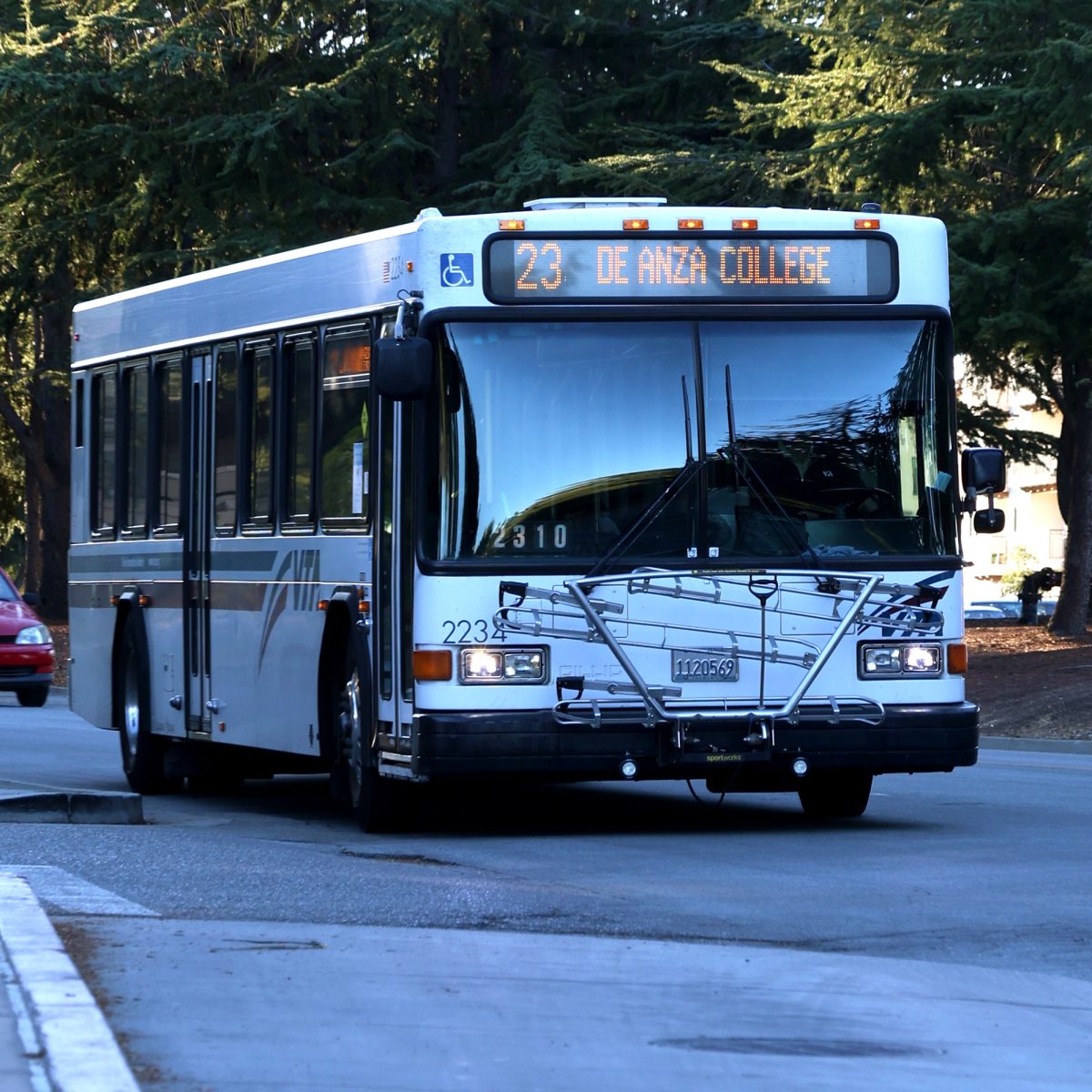
The bus ride from De Anza College to Alum Rock Transit Center in East San Jose can take up to 75 minutes during peak traffic. It’s slow, uncomfortable and makes you feel like a second-class citizen.
Over 10,000 people take the bus along Stevens Creek every day, and they deserve better. Adding dedicated bus lanes can realistically cut down the bus trip to just over 30 minutes, which can be as fast or faster than driving in peak traffic.
Crossing Stevens Creek Boulevard is dangerous, especially for the elderly, people with disabilities and children. Median islands give pedestrians a safe haven halfway across the road where they are visible to drivers and provide a buffer for them to safely cross the street.
Pedestrian median islands are used all over the world, including on many local roads here in Santa Clara County. Implementing them on Stevens Creek is a no-brainer.
To support today’s businesses and education while laying a safe and sustainable foundation for tomorrow’s housing development, the corridor needs to be more than what it is today and more than what the existing plans call for. Stevens Creek needs better transit as soon as possible.
Our local governments are set to decide on the future of the Stevens Creek Corridor at the final meeting of the Steering Committee on Dec. 18. If you believe that we need better public transit and a safer corridor, notify the committee by signing this petition.
Tell your friends and family to sign it too. We can and will win the improvements we need for a more sustainable, prosperous and equitable Stevens Creek roadway.
Harry Neil, 22, a history major, is a transit advocate and member of the VTA Citizens Advisory Committee. This article is written in Neil’s personal capacity.