After delayed election results, the results of the De Anza Student Government’s winter 2025 election are in question. The postponed results come after a now-voided verdict from an Elections Complaint and Certification meeting held on March 13.
A group of five candidates who ran together in the election — Aroush Fatima, Varshi Patcha, Shreyas Menon, Kunishka Mundada and Lakshya Saini — ran together in the election as the Elevate coalition.
Fellow candidates and students accused the coalition of coercing students into voting for them and campaigning in prohibited areas, such as the Artistic Expression Village or the L Quad.
Fatima won the presidency with 419 votes.
The elected chairs for other positions are:
– Chair of Finance: Alan Ma (286 votes)
– Chair of Administration Varshi Patcha (502 votes)
– Chair of Students Rights and Equity, Chrissy Ho (249 votes)
– Chair of Marketing Hoang Anh Thu Tran (272 votes)
– Chair of Events/Programs Lakshya Saini (447 votes)
– Chair of Environmental Sustainability Myles Vongnakhone ((227) votes
– Chair of Inter Club Council Shreyas Menon (365 votes)
– De Anza Student Trustee Kunishka Mundada (403 votes)
According to the meeting minutes, the verdict with two votes in favor and one against — Yinwa Yung, Public Policy School liaison, and Wadi Lin Lei, chair of administration voted yes; Tracy Chang, elections commissioner, voted no — read that the Elevate coalition candidates face a 50% reduction in their election reimbursement.
The committee also determined that the coalition’s members must each write a three-page essay on a topic determined by the administration and complete 40 hours of community service before being sworn into office on June 11.
“These student voters were taken advantage of,” said Francesca Cacchione, 20, computer science major.
Cacchione, who was also running for student trustee, was one of seven complainants accusing Elevate of violating the Elections Code.
Aside from the coalition, other candidates and complainants, such as Yaroslava Klymenko, 18, political science major and Inter Club Council representative for the Ukrainian Students Association, criticized Student Rights and Equity chair candidate Kavi Kumaresan and chair of Inter Club Council candidate Naim Pichori for using what she described as controversial campaign messaging reminiscent of totalitarian regimes.
Klymenko cited Kumaresan and Pichori’s use of the word “manifesto” in one of their campaign papers.
“As a Ukrainian with trauma linked to communism, I was left feeling unsafe and targeted in a space that should have been neutral and secure,” Klymenko wrote in her complaint form.
Following the complaints, the committee unanimously voted to disqualify Kavi Kumaresan and Naim Pichori from the election for “using supplies not available to the general student body.”
Kumaresan also faced complaints for going against the rules when he used a table for campaigning that he was not allowed to. He claims that he got permission from the administration to do so — leading him to believe the administration was not clear on their understanding of the code.
Kumaresan also argued that DASG did not give the defendants enough time to prepare for the complaint, providing “approximately 20 minutes” to prepare a defense, as the defendants arrived uninformed of what they were accused of.
“The complaints feel really reasonable … what they were doing towards voters was unfair and made the votes disproportionate,” said voter Haley Chu, 18, biology major.
Other students said they believe that the chair’s verdict to eliminate Kumaresan and Pichor, and punish the members of the Elevate coalition is invalid, as the chair had stopped recording audio for an hour and the committee did not deliberate in a public manner during the complaint meeting — both of which violated the Brown Act.
The Brown Act requires public transparency in all local government meetings, including student governments like DASG. It states that meetings must be open and accessible to the public, and that all discussions should be documented in written reports. It ensures that the public can review the process and decisions made during the meetings. The act also said that any actions taken while a governing body is in violation can be considered null and void.
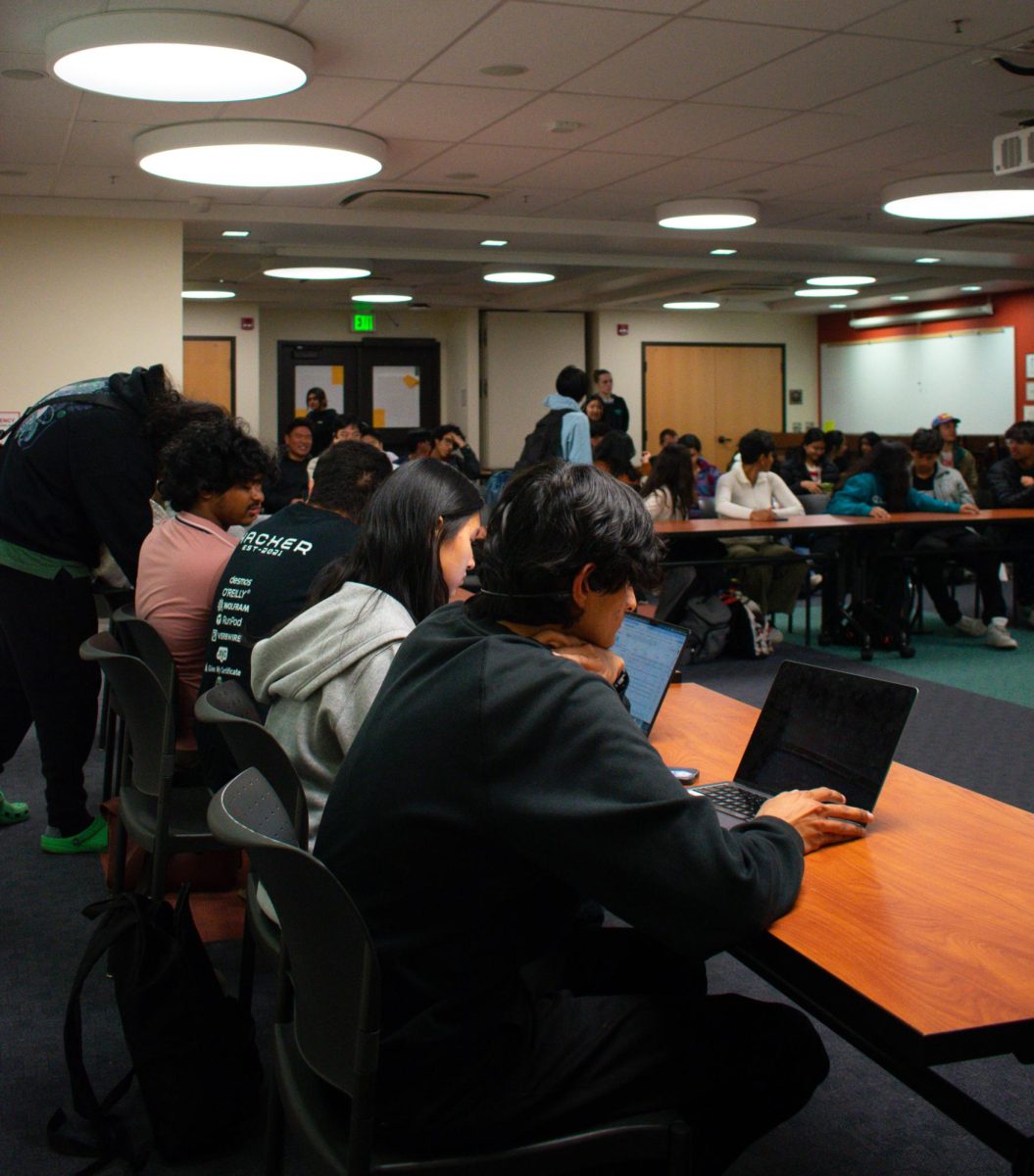
Lei wrote in an email that DASG planned to hold another Election Complaint and Certification meeting on Friday, March 28. However, Chung later said the meeting was postponed due to not meeting quorum.
The meeting would have involved the entire general senate, and DASG adviser Dennis Shannakian wrote that the “meeting will be recorded, the microphone will not be muted and the camera will not be turned off at any point.”
There is currently no given date for the follow-up complaint meeting.