The senate considered a proposal to review and potentially update the scholarship and stipend system at the March 5 general meeting, held in the Student Council Chamber. Any potential changes to DASG stipends and scholarships are to be implemented next school year, impacting future senators.
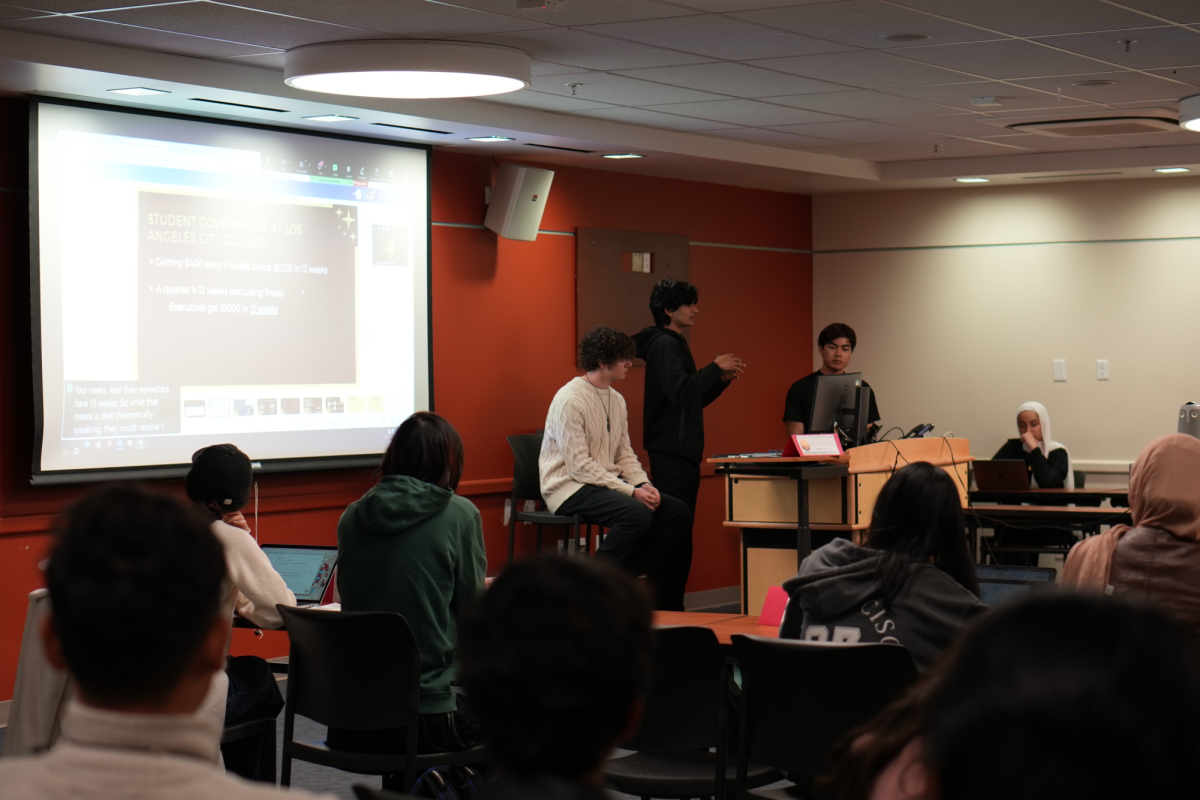
Chair of Finance Aditya Sharma, 19, electrical engineering and computer science major, presented Business Item Three, discussing the scholarship compensation structure for DASG members.
Senators can currently earn stipends from $500 to $1500 per quarter, depending on their role. The president receives $1,500, executive officers are allotted $1,000 and other senators receive $500, which totals $16,000 in quarterly stipends for senator positions.
For the 2024-2025 school year, DASG offers up to 4 scholarships annually for its constituents and cardholders, comprised of two need-based and two merit-based scholarships amounting to $500 each.
Victor Pham, 19, biology major and social media officer, joined Sharma at the podium and introduced a proposal to revise the need-based scholarship policy.
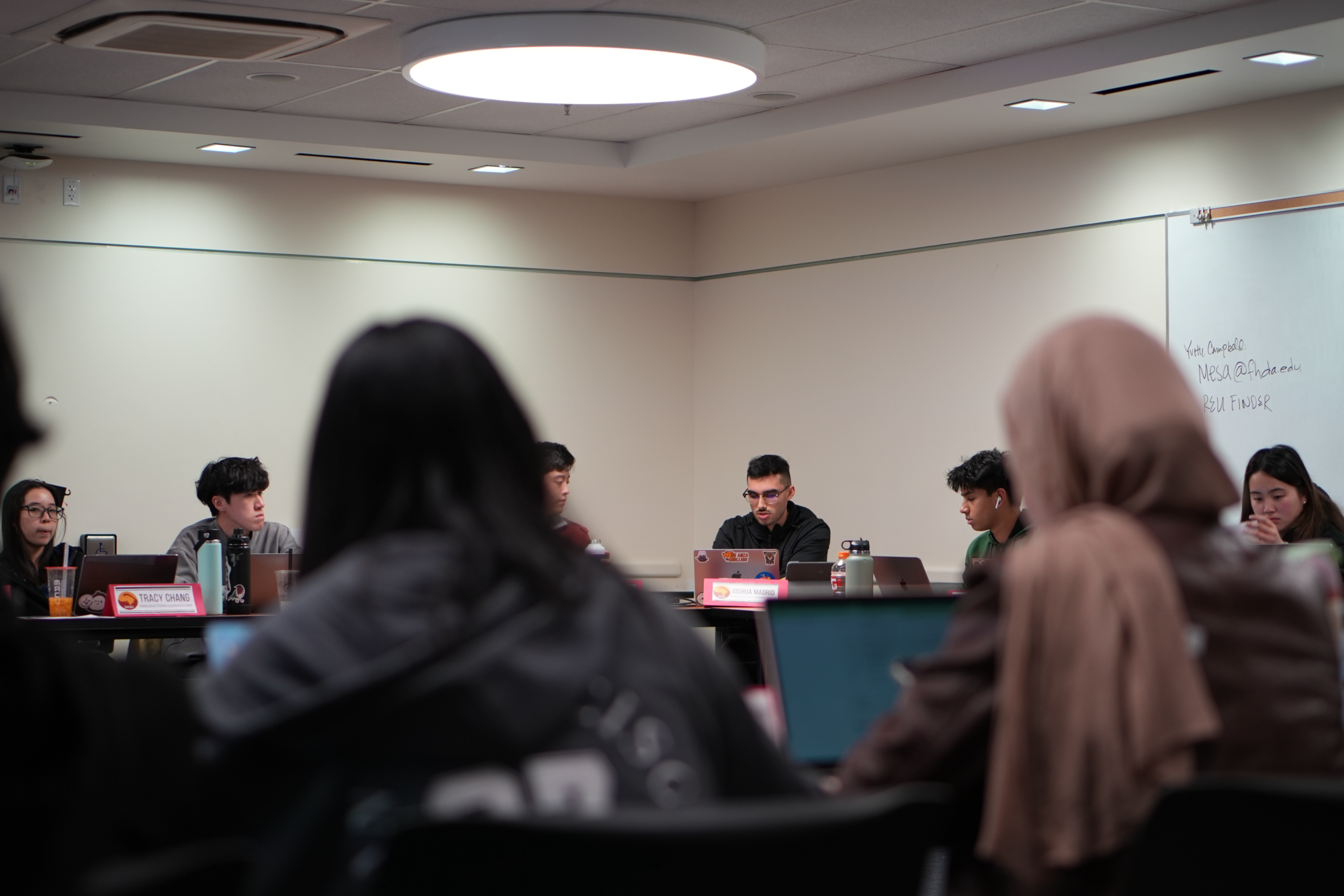
”Some positions do more work, especially with … (some working) multiple jobs as well as commiting more hours into DASG than others,” Pham said. “I do feel like we should not be increasing the general scholarship based on the needs of one person … the solution is a need-based scholarship.”
Pham proposed increasing the scholarship to support those who go above and beyond in their roles.
”The pros would be senators would be able to focus on student government while making money and wouldn’t be increasing the budget too much,” Pham said.
The current payment structures were developed by a previous generation of senators from scratch.
“Initial scholarship amounts were decided by the previous senators,” DASG adviser Dennis Shannakian said. “There was not a clear rubric tying every value into the other responsibility that they had.”
Sharma proposed developing a new standard for the merit-based scholarships offered to students who display excellence.
Maritza Arreola, DASG adviser and interim faculty director of college life, said there is room to update the current system.
“The quantifiable work, the trackable work … we have peer evaluations, and we were considering whether that would be something factored into scoring,” Arreola said.
Sharma proposed the third idea, increasing the quarterly budget for stipends by $7,000 or $15,000, depending on feedback from other senators.
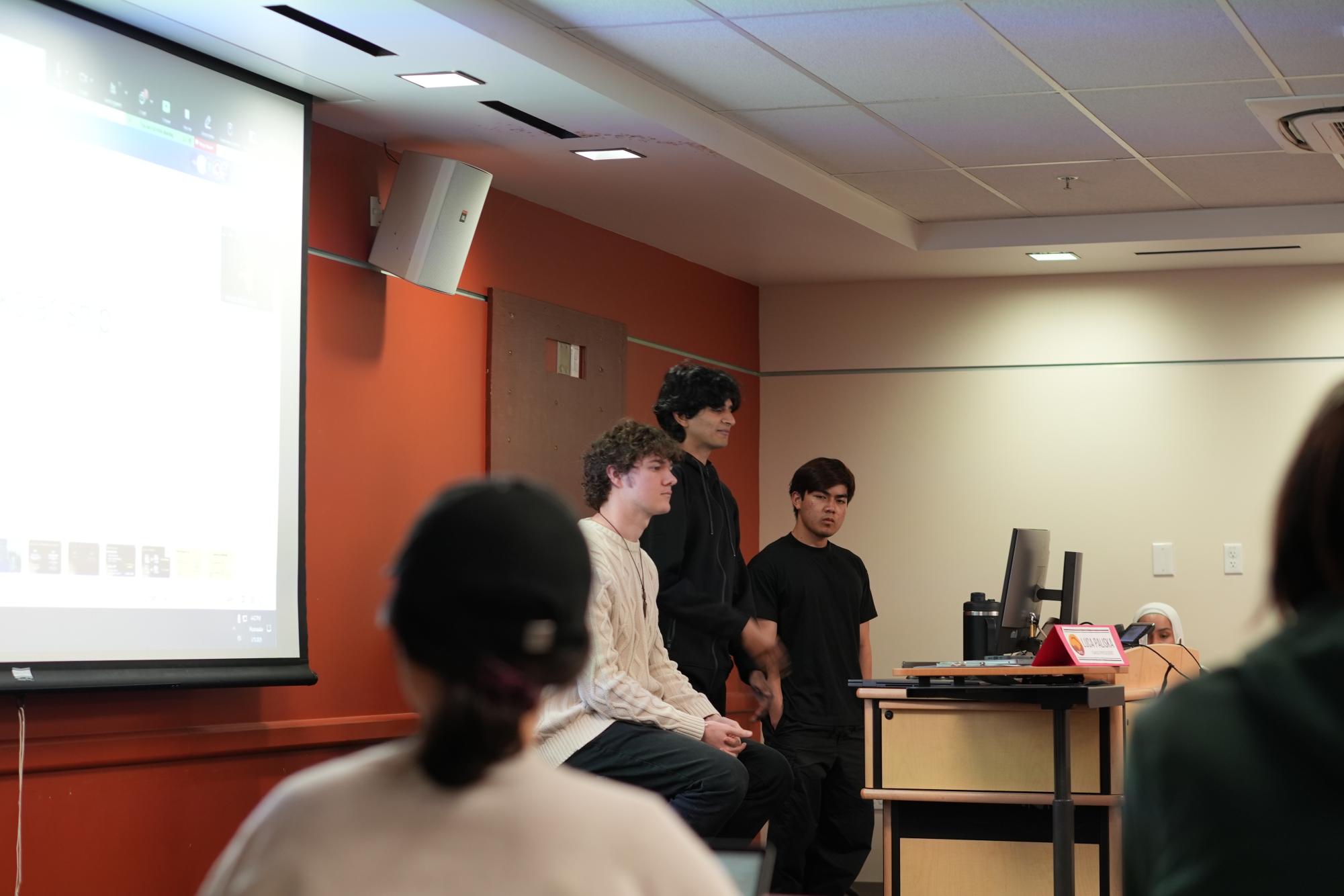
”This is something that needs to be discussed more in the senate, this is a skeleton right now,” Sharma said. “This is just for senate, this is not for (Inter Club Council), (or peer) mentors”
The majority of the senate voted not to increase base pay, but the discussion of merit- and need-based scholarships are still on the table.
Luca Paliska, DASG senate president, confirmed that the role of a senate member cannot replace a job, but is more comparable to an extracurricular.
”The unfortunate truth is, we have about 30 positions and based on student payroll … for each student, a year’s worth of minimum wage salaries (varies) between $10,000 to $20,000,” Paliska said. “Versus us, each senator receiving currently 500 … we frankly just don’t have the funds to incorporate a minimum wage salary.”
Paliska also acknowledgedthe value of scholarships as many students invest a lot of time as senate members, coming to an expense for some.
“The idea of incorporating something need-based for students that might be international, might have high cost of living and don’t have the financial stability to participate in something as tasking as student government when they could have just be spending time doing a job,” Paliska said.
The final senate meeting of the quarter, held on March 12, did not include further discussion on updating the scholarship compensation structure. The issue will likely be revisited in the next quarter.