



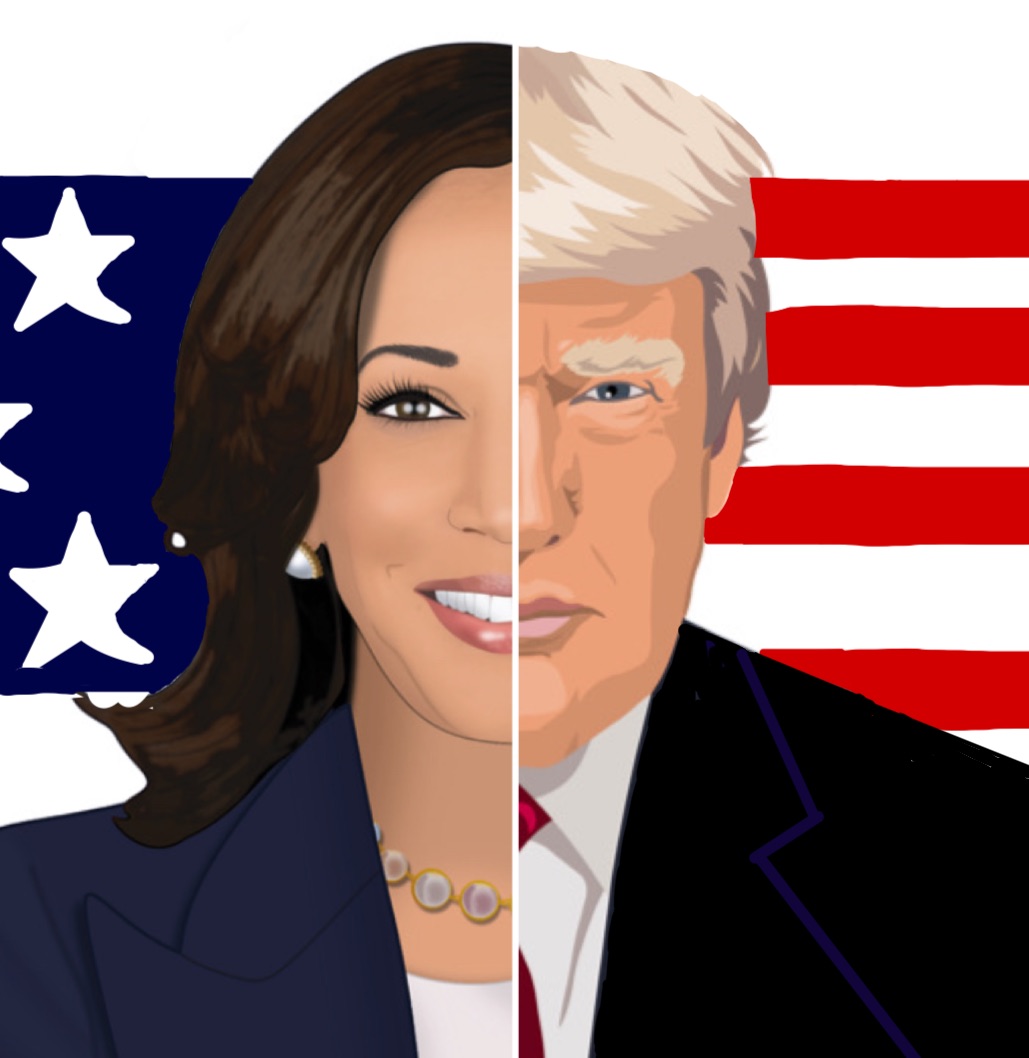
With Nov. 5 less than a week away, tensions are high as former President Donald Trump and Vice President Kamala Harris remain neck and neck in a presidential race that has many Americans, including me, anxiously wondering about the impact of either candidate’s win.
Although predicting the election’s outcome is challenging — with the latest New York Times poll showing Harris at 49% and Trump at 48% — the potential impact of each candidate’s presidency is easier to anticipate.
Trump has suggested deploying the National Guard to deport millions of undocumented immigrants, putting the futures of an estimated 3,000-5,000 undocumented college students in California, including undocumented students who attend De Anza, at risk.
Trump also referred to some Democratic politicians and media organizations as the “enemy within” and advocated for jailing journalists who refuse to reveal sources.
Trump has proposed tariffs, a tax on goods imported from countries like China, a move economists warn could hurt American consumers. People who were once in Trump’s inner circle have even called him a fascist.
Democrats are also concerned that his presidency could lead to a loss of women’s reproductive rights.
The stakes are high, making it difficult to assert definitively “what will happen if Trump wins” or “what will happen if Harris wins.” The country’s fate really depends heavily on whether Trump wins or loses.
A Trump win, some fear, could set the country back, giving rise to Harris’ campaign slogan, “we’re not going back.” But even if Trump loses and Harris becomes president, that doesn’t mean things are going to be normal in the country.
For Californians in the Bay Area, living in a largely progressive environment, it can be difficult to understand the reasons behind Trump support. Likewise, a small-town, rural farmer in Alabama might struggle to grasp why some would vote for Harris. This election has seen each side firmly convinced their candidate is the right choice, leaving many on either side of the divide in disbelief if their candidate loses.
If Trump loses, he will not concede easily, having already indicated he’ll accept the results only if they’re “fair and legal.” The country remembers Jan. 6, 2021, when angry Trump supporters, in disbelief that their guy lost, stormed the Capitol after his loss.
If Trump wins the presidency and Republicans gain control of Congress, there is a high chance his policies could reflect his intense rhetoric, and if he loses, that raises the risk of events similar to Jan. 6 or worse.
Though it’s unclear how much of his rhetoric would translate into action, as Trump likes to use intense rhetoric to amp up his base, it’s scary nonetheless.
If Harris wins, we might expect governance similar to that of the Biden administration, with a focus on taxing the rich, protecting abortion rights, continued support for Israel and lack of progress towards a ceasefire in Gaza and maintaining international relationships with the rest of the West and Nato.
Those policies can be good or bad; it’s all subjective to each person’s personal and political beliefs.
Though Harris seeks to differentiate herself from Biden, some may find that hard to believe given her role as vice president for the past four years. With many Americans feeling worse off now compared to four years ago, I don’t have much confidence in a transformative Harris presidency.
If Trump wins, expect a turbulent presidency as he tries to push through extreme policies.
Trump’s last presidency gave us a taste of what could happen with policies like the border wall, the muslim ban, his odd relationship with Russian President Vladimir Putin and his handling of the pandemic.
Certain international allies may be abandoned, the lower and middle class would suffer under tariffs, civil liberties would be threatened, and the country is likely to become more polarized.
Whoever wins on Nov. 5 will shape the country’s internal stability and standing on the world stage. Let’s just hope it isn’t a tie.

