De Anza College students have expressed dissatisfaction with ongoing poor internet conditions on campus since the start of this fall quarter.
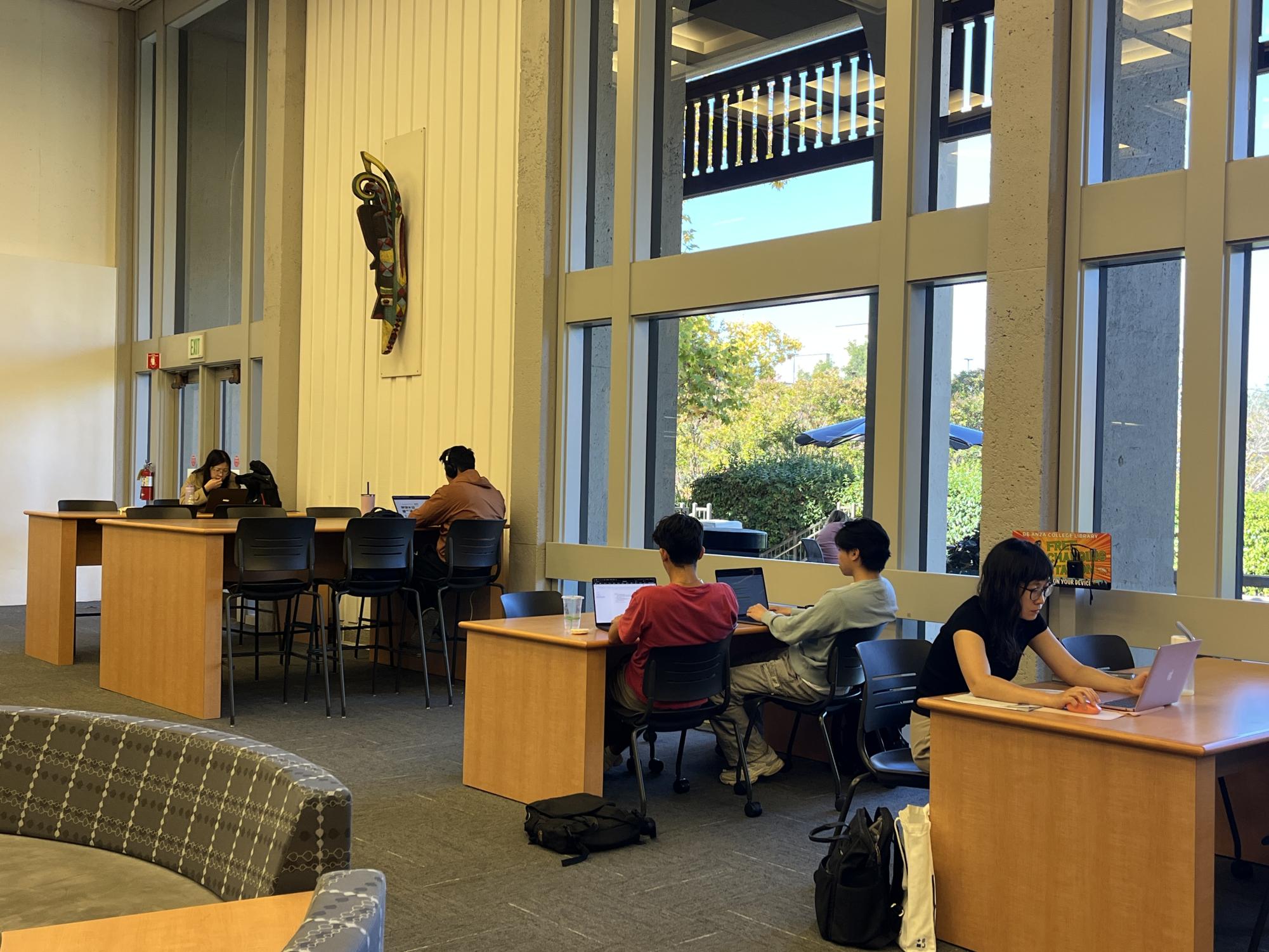
Students said the Wi-Fi is affecting their ability to access online materials on personal devices and disrupting their ability to use school devices during in-person classes.
Jaehwan Lee, 20, mechanical engineering major, said the internet connection has worsened.
“Last year, the internet was quite good, but starting this fall quarter, it’s so bad,” Lee said.
Students also said the quality of the internet feels different depending on the place and situation.
Jun Kim, 21, biology major, said there are certain spots on campus where the connection is exceptionally bad.
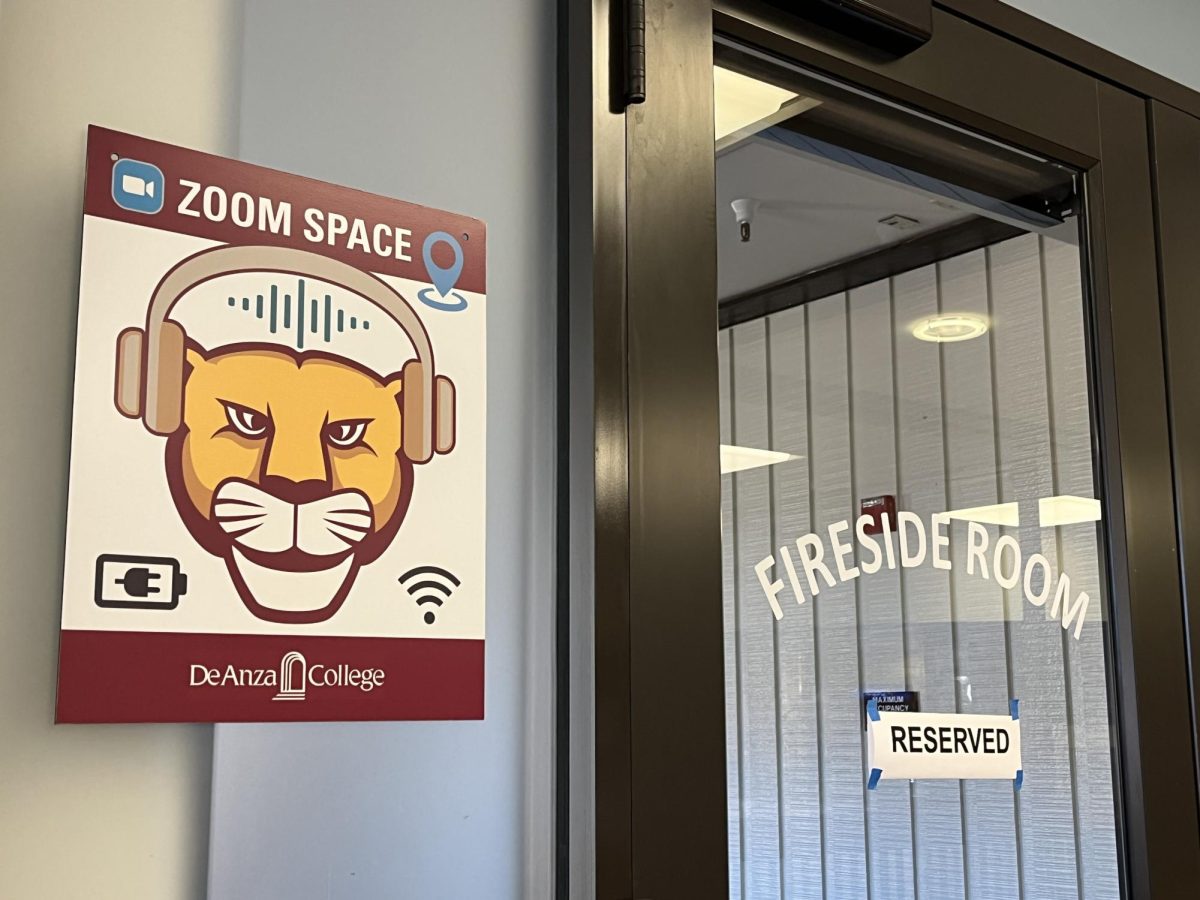
“Especially in the Fireside Room, the Wi-Fi is pretty bad,” Kim said.
It’s not just the connection that students say is bad — they have other concerns about the Wi-Fi, too.
Riwa Watanabe, 21, electrical engineering major, said the Wi-Fi doesn’t cover the entire campus.
“When I go to the Resource Hub, there’s no internet there,” Watanabe said.
Kassidy Toralba, 18, communications major, said both the Wi-Fi connection and cellular data are unstable and unreliable.
“When you’re on campus, you get zero bars,” Toralba said. “There’s no service at all, and I don’t like it.”
According to the Educational Technology Services Department, De Anza College’s Wi-Fi is part of a districtwide system that supports both De Anza and Foothill colleges.
Kevin Metcalf, associate vice chancellor of networks and client services for the ETS Department, said a specific team manages the district’s internet environment.
“It is centrally managed by our Networks and Telecommunications team who work with our vendors to install, monitor and maintain equipment across the district anywhere Wi-Fi service exists,” Metcalf said.
The system includes backups and load balancing to keep services running. The ETS Department also “works with the vendor when support from the manufacturer is required,” Metcalf said.
Metcalf also said that the ETS Department is “aware of major or recurring issues through our system monitoring and close partnership with Instruction and Student Services,” and that they understand students’ frustrations.
Metcalf said there are multiple factors that come into play that would cause the slow and unstable Wi-Fi.
“Student reliance on Wi-Fi has grown every year,” Metcalf said. “Much of that growth has happened organically as more classes, apps, and learning tools move online.”
Metcalf said students now connect multiple devices and use Wi-Fi for more instructional activities than the system was designed for.
“Wi-Fi performance can also be affected by device settings, building materials, and the age of some of our equipment,” Metcalf said.
Metcalf said the underlying network on campus is strong, but the wireless infrastructure cannot handle the large number of connected devices and learning needs because of funding limitations.
“The ETS Department and the district leadership have set aside Measure G bond funds to overhaul and modernize the Wi-Fi system over the next few years,” Metcalf said.
Through these funds, Metcalf said the campus will be able to expand Wi-Fi coverage, increase capacity and replace aging equipment.
The district plans to upgrade campus Wi-Fi by putting in more connection points. Most of the legacy Wi-Fi equipment will be replaced with modern hardware within five years.
Metcalf advised students to update their device software, stay within known coverage areas and avoid signal blockers such as metal and concrete.
Metcalf added that this “gives us an opportunity to communicate directly with the student community and help improve their Wi-Fi experiences.”
More tips are posted at ets.fhda.edu/_wifi.