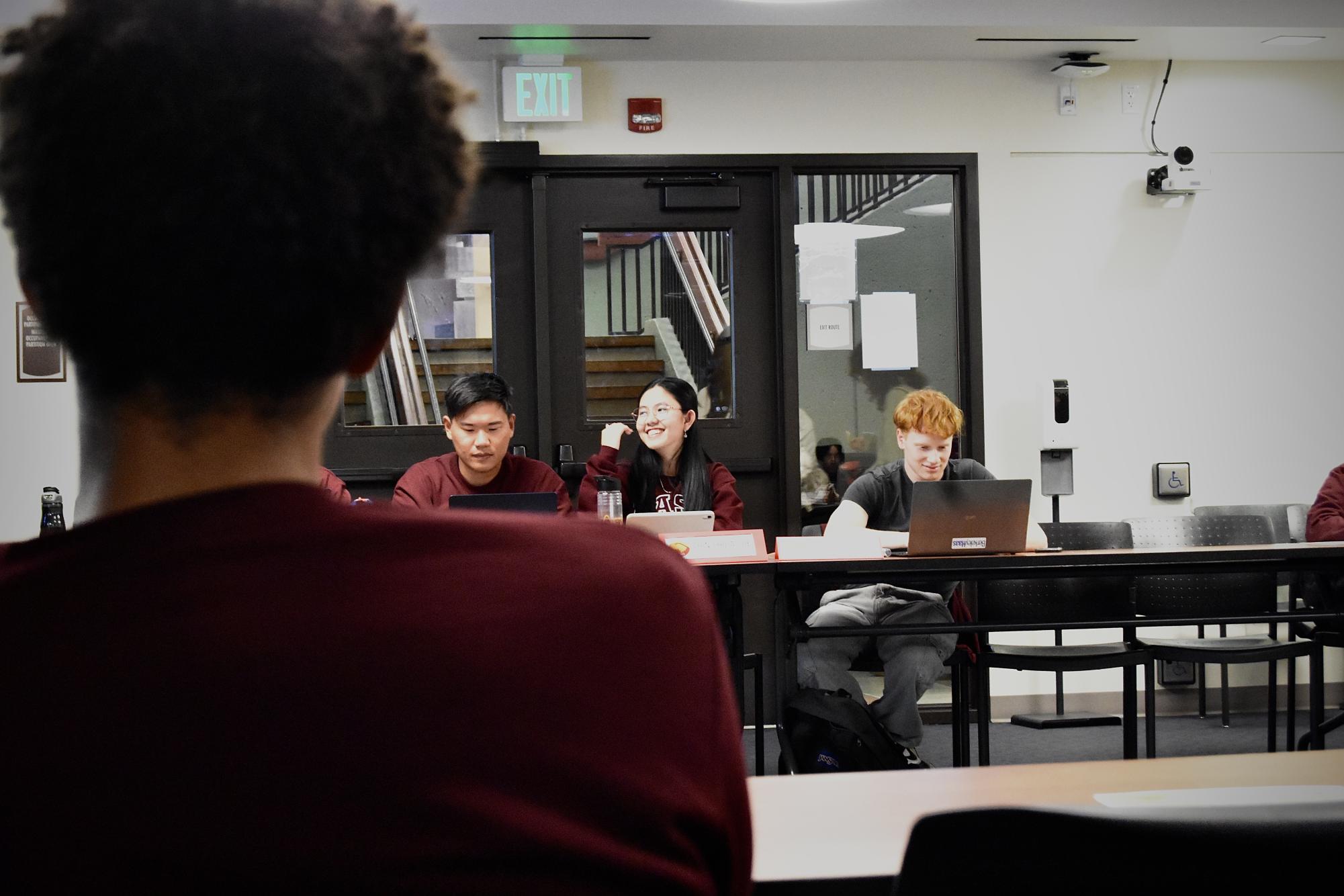
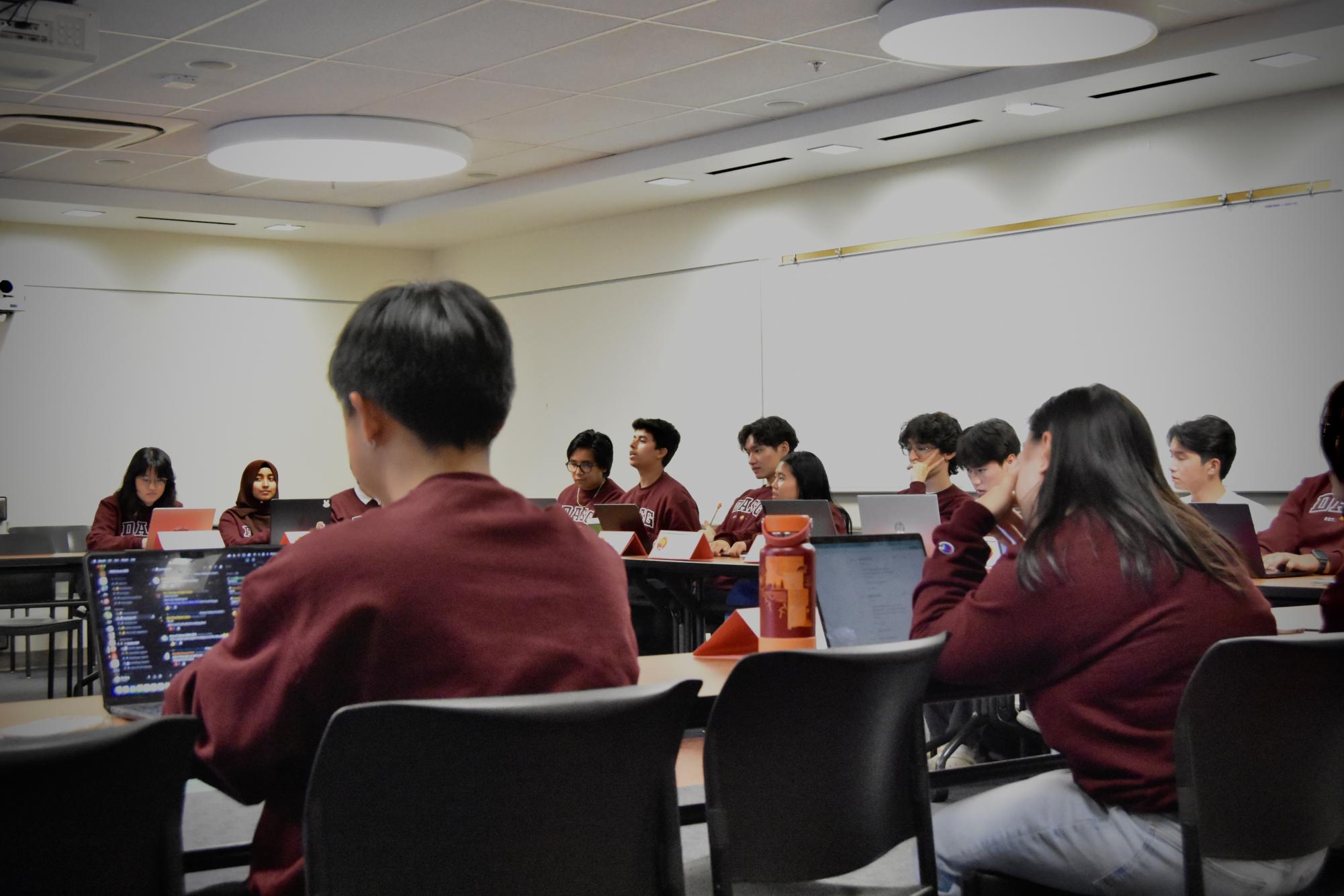
De Anza Student Government added $80,000 to its reserves after raising student fees last year, at its Oct. 8 meeting in the Student Council Chambers.
Back in the spring, the Foothill-De Anza Board of Trustees approved DASG’s request to raise the student body fee for the fall 2025 quarter from $10 to $12.
The student body fee, also known as the DASG membership fee, is an “optional fee that supports services and activities for students. Paying this quarterly fee also gives students access to a DASG card.
Although students can opt out, this fee directly funds the DASG budget, which in turn funds programs across campus — before accounting for the fee hike, membership fees brought in $535,000 for the student government, which comes to 39.5% of its total budget.
As a result of this change, the revenue estimate for the current year will increase an estimated amount of $80,000, up to $415,000 or 42.8% of the revised budget.
DASG President Jayven Huang, 19, computer science major, said that while the senate does not plan to actively reallocate it, the influx of funds frees up money for programs on campus.
“I’m assuming that a lot of the programs want an increase in the amount of money that they have,” Huang said. ”There were some slight cuts last year, so we’d like to bring back some funding.”
Last year’s budget, which the 2023-24 DASG senate determined, denied programs $514,844 in requests but had $1.55 million to budget — this year’s budget denied programs of $387,790 in requests but budgeted $201,084.14 less than last year, over having less revenue to work with; the fee hike brings that number down to $121,084.14 and this year’s budget up to $1.44 million.
Additionally, last year’s approved budget held $176,382 in reserves while this year’s budget originally held barely over $80,000; this year’s fee hike effectively doubles the student government’s reserves, bringing it closer to what last year’s senate reserved.
While previous DASG senates have not usually held as much in reserve as last year, opting to fund programs more from the start — for example, the 2023-24 budget held only $16,000 in reserves, or “special allocations,” despite raking in less revenue to work with and having to deny over $900,000 in requests — last year’s senate disbursed $30,020 more to programs compared to what its finance committee recommended.
Chair of Finance Alan Ma, 19, electrical engineering and computer science major, said the committee will hold the money in reserve in case programs end up needing it down the line.
“All the revenue that is incoming, we (the finance committee and senate) have essentially allocated towards special allocations,” Ma said. “We will process requests as they come by.”