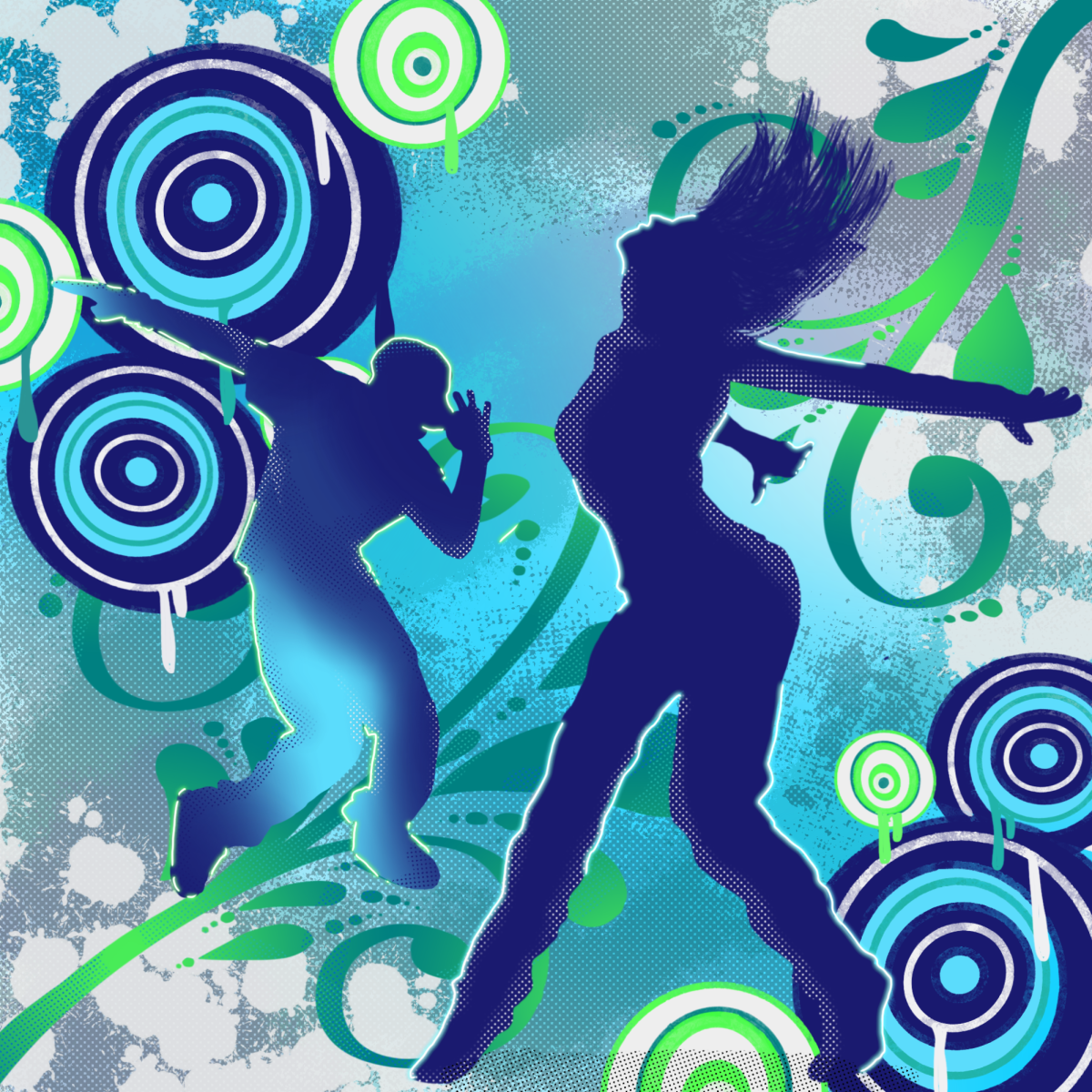
When Tyler, The Creator released his album “DON’T TAP THE GLASS” in July, he included a song with instructions on how to listen to the album. The first rule being body movement, no sitting still — he wants us to dance.
The third, most important rule? “Don’t tap the glass,” meaning don’t use your phones, laptops or tablets.
The album really made me want to get up and move, which got me thinking: when did we stop dancing?
When did we all start dancing like we were being watched by Big Brother? What happened to the clubs whose dance floors would break and the floor would fall apart? Let’s shuffle back in time to witness the rise and fall of club culture.
When I was 7, my mom enrolled me into Bharatnatyam, a type of Indian classical dance. This was my first real experience with dance as self-expression.
I felt like Bharatnatyam limited my creativity, so I explored other dance forms. People have forgotten some of them now, but I connected with these dances in ways I never could with Bharatnatyam.
Tecktonik (aka Electro Dance or Milky Way) is a dance form of French origin that became popular in the 2000s. It draws inspiration from dance forms like waacking, hip-hop and vogue, emphasizing stiff but free-flowing hand movements while also deriving moves from disco.
Tecktonik became a quick hit because of how simple and free it was, spreading through the nightclubs of Paris. I remember being 10 years old and seeing a video titled “Mongolian tecktonik boys” and thinking it was the coolest thing on Earth.
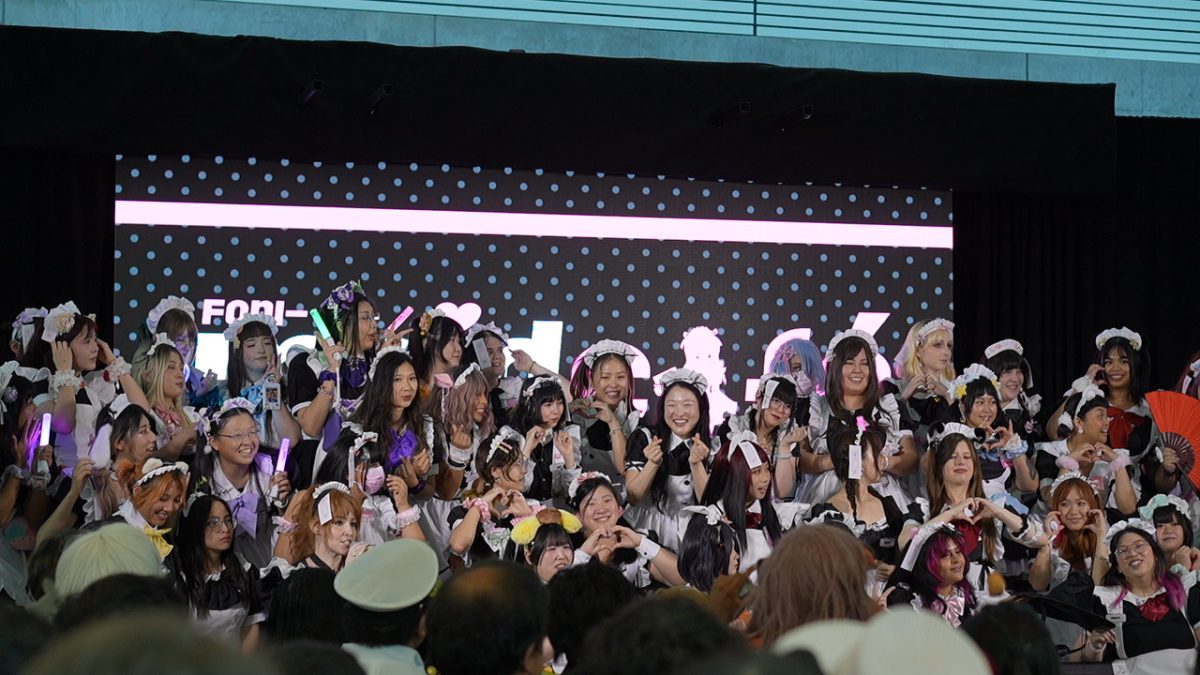
Para Para is another dance form I enjoy. It is a synchronized dance that originated in Japan. Originating in the early 1980s alongside Eurodisco and Italodisco, Para Para is closely linked to Eurobeat.
Para Para consists mainly of upper body and hand movements, with very little footwork. The dance became very famous during the late 1990s over its association to many popular clubs, and to social and fashion subcultures such as gyaru and harajuku.
I recently found an old Para Para tutorial. I had a gyaru phase when I was younger, so the dance felt familiar. Watching how freely the woman moved made me realize I never took the dance seriously because I was embarrassed someone would see me and make fun of me.
Jumpstyle is another electronic dance style with its origins in Belgium. The dance is mainly focused on, as the name suggests, jumping. It uses high jumps along with fast kicks, sometimes synchronized with rotations.
This dance form doesn’t focus on upper-body movements and allows legs and arms to express emotions. Jumpstyle gained popularity in Belgium’s neighbouring countries of Germany and Netherlands in early 2003.
Jumpstyle is one of my favorite classics. The fast rhythm of the music, the adrenaline rush, the perfect beat matches, the fast spinning, it’s like playing a rhythm game with your feet.
Another popular dance form is the Melbourne Shuffle. As the name suggests, it originated in Melbourne, Australia. It became a popular rave dance style during the late 1980s and 1990s, its prime being the 1990s and 2000s.
The dance is usually improvised and involves repeatedly shuffling your feet inwards, then outwards, while thrusting your arms up and down, or side to side, in time with the beat. 360-degree spins, jumps and slides are also commonly used.
Steps like Running Man originate from shuffle. Games like Dance Dance Revolution and Beatmania popularized the style as well. So, these dances are quite popular and even somewhat mainstream, yet they receive little recognition.
They also aren’t often associated with shuffle because they belong to a niche scene.
One of the reasons people dance less now is because they’re afraid of being recorded and turned into memes.
In the past, dancers shared videos online to gain traction and bring their dances into a new light, but as meme culture and trolling grew, fewer people uploaded their performances, and these dances lost visibility.
During the 1980s to 2000s, when mobile phones weren’t common, these dance styles thrived without fear of ridicule. Even when they were recorded, the videos were rarely uploaded or mocked online.
Even with styles that found their way into the mainstream today — take budots, a Filipino electronic subculture that exploded after a song from the genre, “Emergency” by DJ Johnrey, went viral in the 2024 summer — the culture is still heavily prominent in street life, rather than in nightclubs.
But once they started gaining attention on the internet, people in those videos were laughed at for being “weird” or “different.”
These dances weren’t strange, they just belonged to their own niche.
That judgment created fear, and over time, people stopped dancing as freely.
Doing these dances not only helps remember them, but it also helps people around us feel more comfortable dancing.
Do I dance well? Not really. But do I hope people seeing me dance will encourage them to do the same? Yes.
Limiting phone usage in clubs and concerts would encourage people to dance again. People are afraid of being filmed dancing badly.
By limiting filming in clubs and concerts or any social event where one would be expected to dance, it will create a safe space for people to fully express themselves, and therefore, give people back the confidence to dance.
From the Harlem vogue scene to the underground disco clubs of India, dancing connects people from different cultural backgrounds. It’s a language of its own. Something that you can’t understand through a screen.
So, put on some music, get up on your feet, get some people together, and remember — don’t tap the glass.