This is the opinion of the writer and does not necessarily reflect the views of La Voz News.
“There are decades where nothing happens; and there are weeks where decades happen.” — V. Lenin
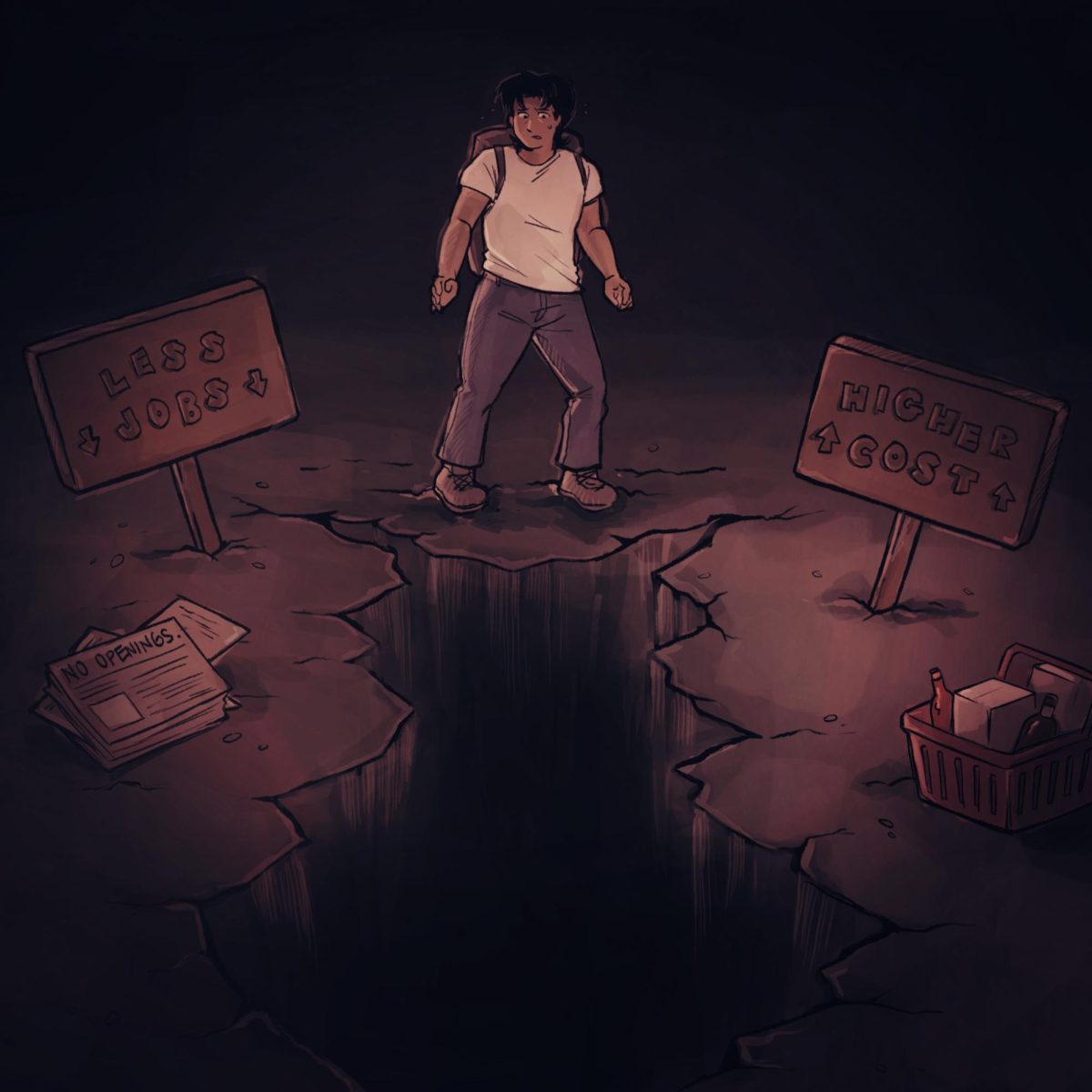
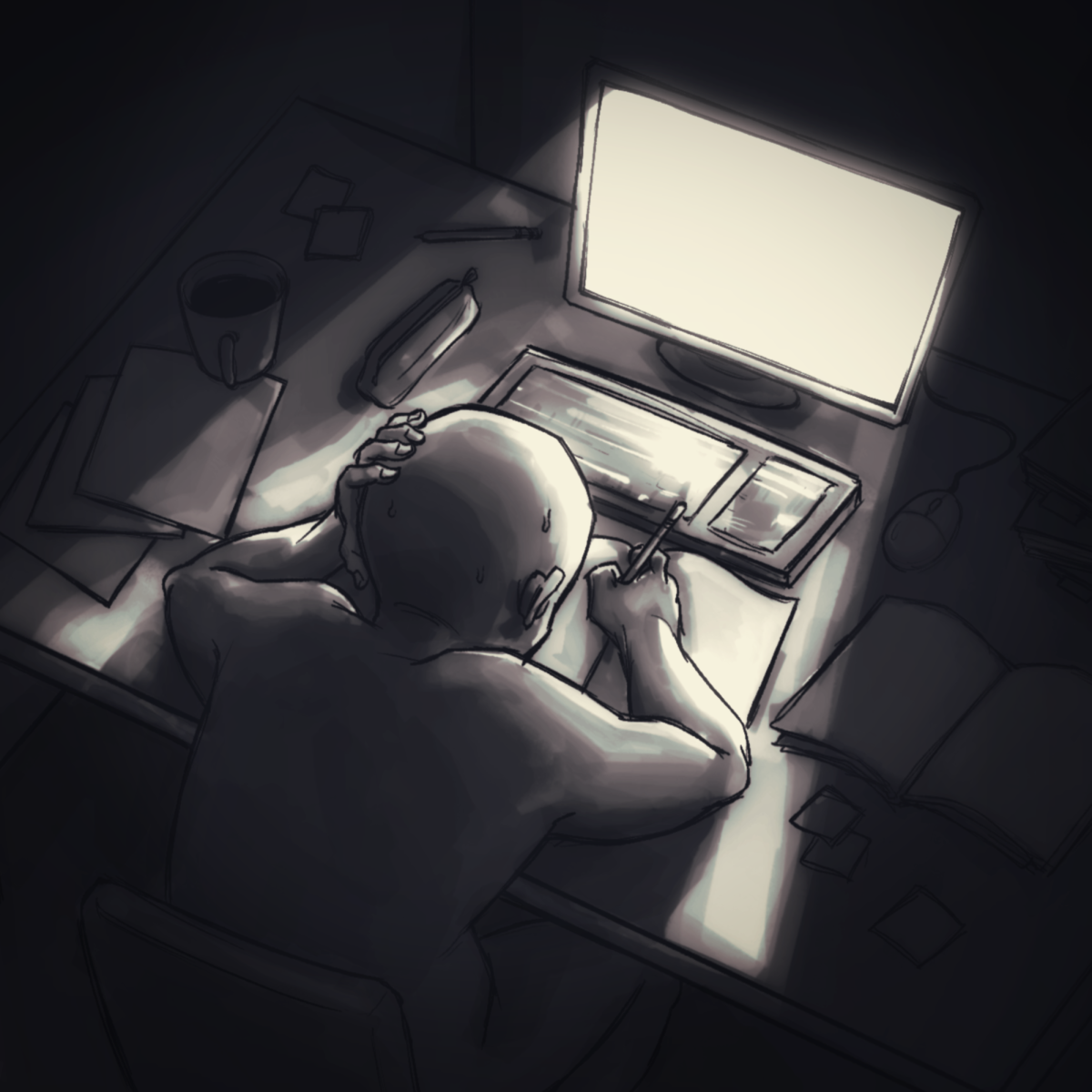
History sometimes grows impatient. It forces us to confront truths that polite society prefers to conceal. The housing crisis at De Anza is not an accident. It is the inevitable consequence of a system built to protect profit above all else. In Silicon Valley, obscene wealth and quiet suffering coexist like shadows. Corporations declare record profits while working-class students curl up to sleep in cars beneath the glow of office towers.
Yet poverty here is not merely ignored. It is prosecuted. The unhoused are fined for sleeping, ticketed for parking, arrested for existing. Cupertino does not resolve homelessness. It exports it. Its police are not neutral; they stand as sentinels for private property.
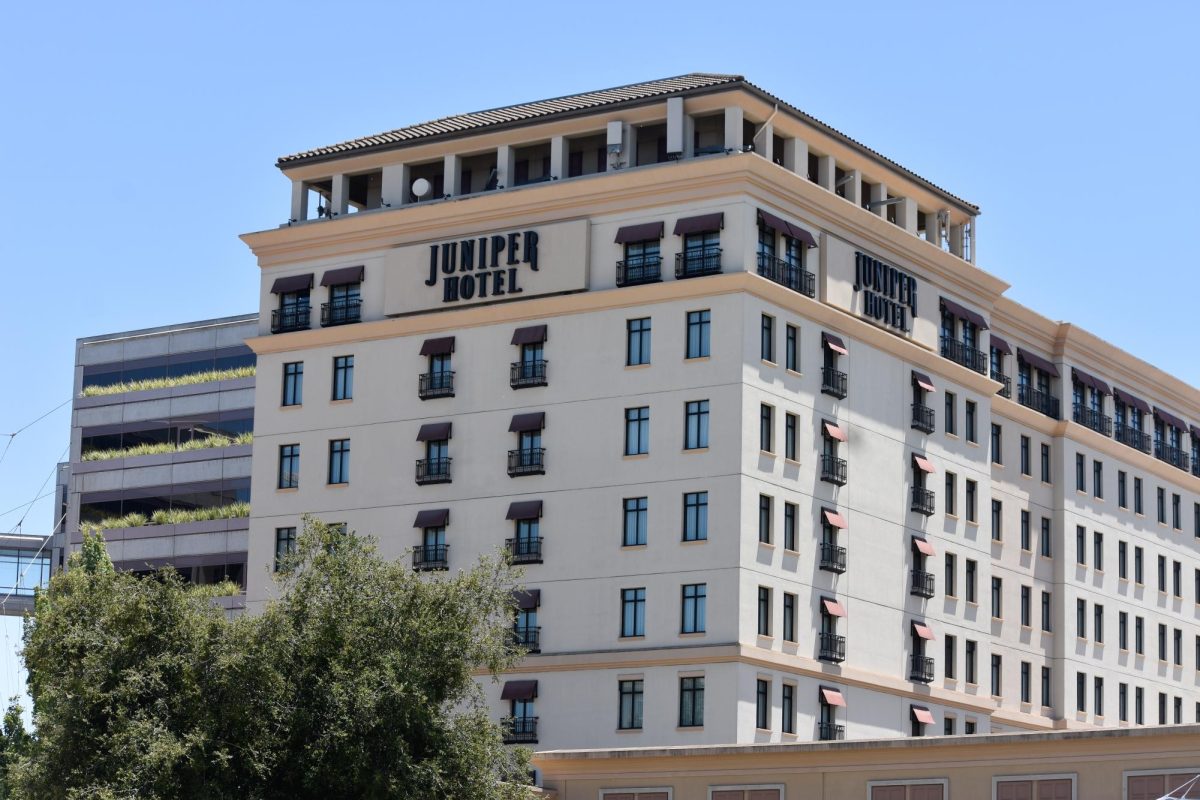
For months, the Revolutionary Marxist-Periyarist Panthers have raised a simple demand: the acquisition of the Juniper Hotel, standing directly across the street from De Anza. The location holds 224 fully furnished rooms, climate-controlled, vacant, ready to shelter students displaced by rent. With shared rooms, repurposed common areas, and efficient collective living, this building could house close to 1000 students, transforming vacant luxury into a vibrant community.
But this is not only about providing shelter. A communal space like Juniper would create a living environment where classmates and friends are no longer isolated by long commutes, unstable housing, or distant neighborhoods. Instead of cold, fragmented living, students would find themselves a few doors or floors away from each other forming bonds, friendships, and solidarity that capitalism constantly works to erode. The aim is not simply housing, but the rebuilding of human connection that the system has broken.
Officials speak of impracticality, of codes and regulations. But we know it is possible.
Barely ten miles away, San José acted where Cupertino hesitated. On June 10, 2025, the City Council approved its 2025–26 budget, allocating $14 million to a five-site hotel-to-housing conversion plan. As part of this strategy, they entered a two-year lease with the owners of the Bristol Hotel (3341 S Bascom Ave) to transform its 47 rooms into transitional housing for about 60 unhoused mothers, children, and older women.
What Cupertino dismisses as “impractical” has become ordinary policy down the street. This was never about building codes. It was always about power, and the political will to wield surplus in defense of human need, not capital.
Furthermore, De Anza College already possesses the financial resources to act. Thanks to Measure G approved by voters in 2020 the Foothill–De Anza District has secured $200 million for student, faculty, and staff housing development. The Board of Trustees used part of these funds to purchase McClellan Terrace, creating 332 student beds. District feasibility studies have projected demand for nearly 1,000 student beds annually. Additional state planning grants could provide up to $80 million more in funding.
The money exists. The demand exists. The need exists. What remains absent is courage.
We are told that poverty breeds crime. But the true crime lies with those who guard empty rooms while students drown beneath crushing debt. Those who fine vehicle dwellers while luxury suites sit in silence. Those who preach “affordable housing” while protecting surplus for capital.
The Board of Trustees celebrates its acquisition of McClellan Terrace, where nearly one hundred working-class families were displaced to create 332 student beds. This is not expansion; it is substitution — one poor group cast aside to house another.
The question remains as stark as ever: who controls the surplus? As Frantz Fanon wrote: “For a colonized people, the most essential value is first and foremost the land – the land which will bring them bread and, above all, dignity.” For us, that land is housing. The roof we are denied.
This is not a policy debate. It is class conflict laid bare.
Scarcity is engineered to protect surplus. To be homeless is to be exiled from dignity. To defend this order is to sit comfortably before the machinery of human misery that resumes to soar.
Juniper is not merely a hotel. It is a symbol of our non-resistance.
Shall surplus serve capital, or shall it serve the people?
The people united will never be defeated.
Kavi Kumaresan, 20, film and TV major, is a guest contributor for La Voz and president of the Revolutionary Marxist-Periyarist Panthers at De Anza College.