As we reach the midpoint of our spring quarter, the academic workload can feel overwhelming for many students.
With midterms, college decisions, graduations and fast-approaching deadlines, it’s easy to feel like you’re constantly behind.
I know, I’ve been there.
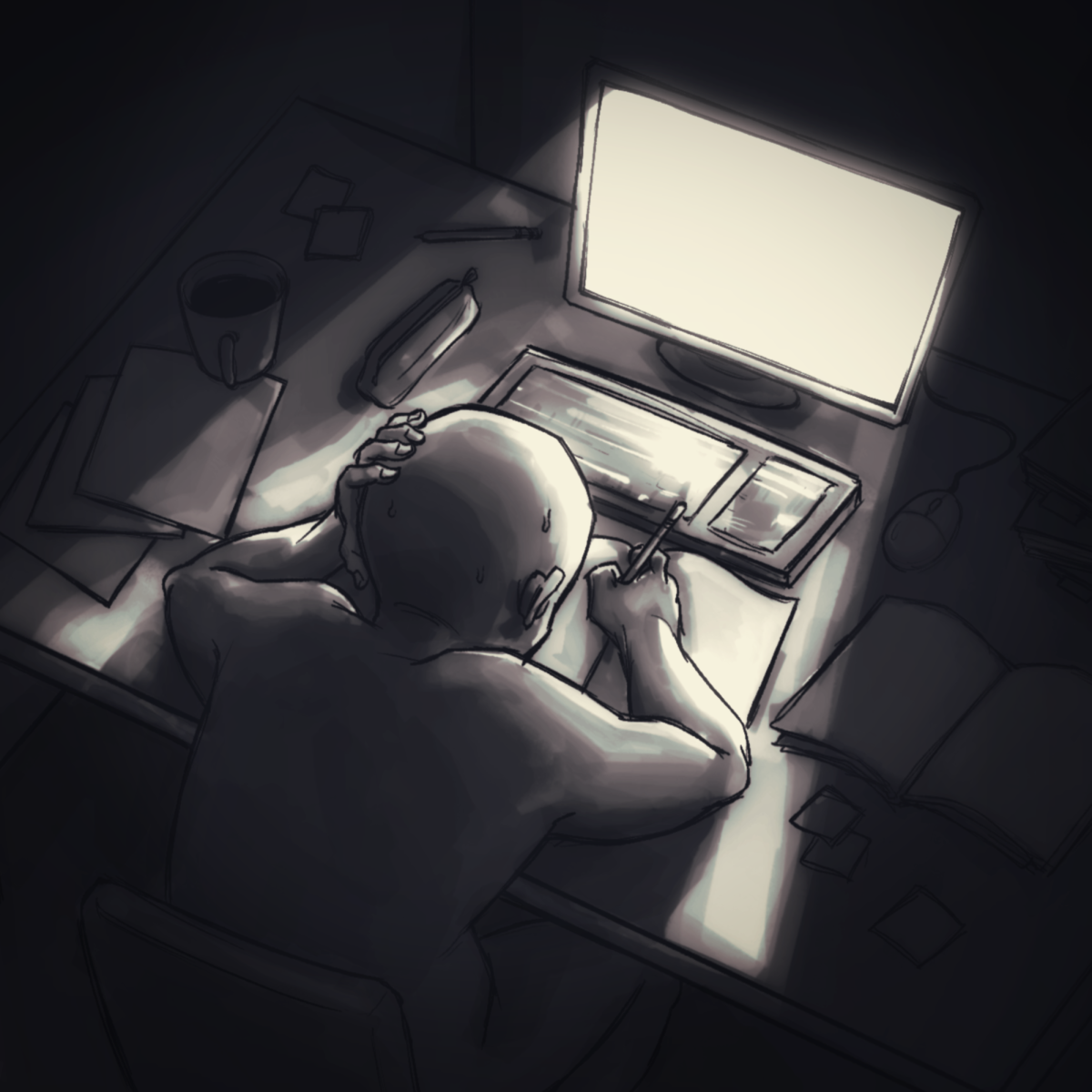
At one point in my life, not too long ago, I was submitting assignments without thought, losing interest in class and struggling to find motivation to study for my finals. I had mentally checked out, but I didn’t know how I got there or how to pull myself out of it.
According to the APA Dictionary of Psychology, burnout is a state of physical or mental exhaustion that can be caused by stress accumulation and long exposure to high-demand environments.
College students have lots of things to balance, between school work and a job, between social and personal lives. Trying to keep up with the expectations of life can be overbearing and hard to navigate.
It wasn’t easy, but over time, I had to make changes in my lifestyle to help regain my motivation and clarity.
Here are my 5 tips to help you recover from burnout:
1. Seek help from others
Reach out to those closest to you, sometimes sitting down and talking it over is exactly what we need.
De Anza College’s Mental Health and Wellness Center offers free drop-in counseling among other mental health services, and can help instill stress management skills or be a source to vent.
2. Make sure you have a healthy diet
You can’t work on an empty stomach. Your brain needs nutrients. Eat yummy foods and fuel your body with brain power.
According to UnityPoint Health, foods like salmon, blueberries and dark chocolate may help preserve memory by supporting cognitive function.
3. Reframe the way you look at work
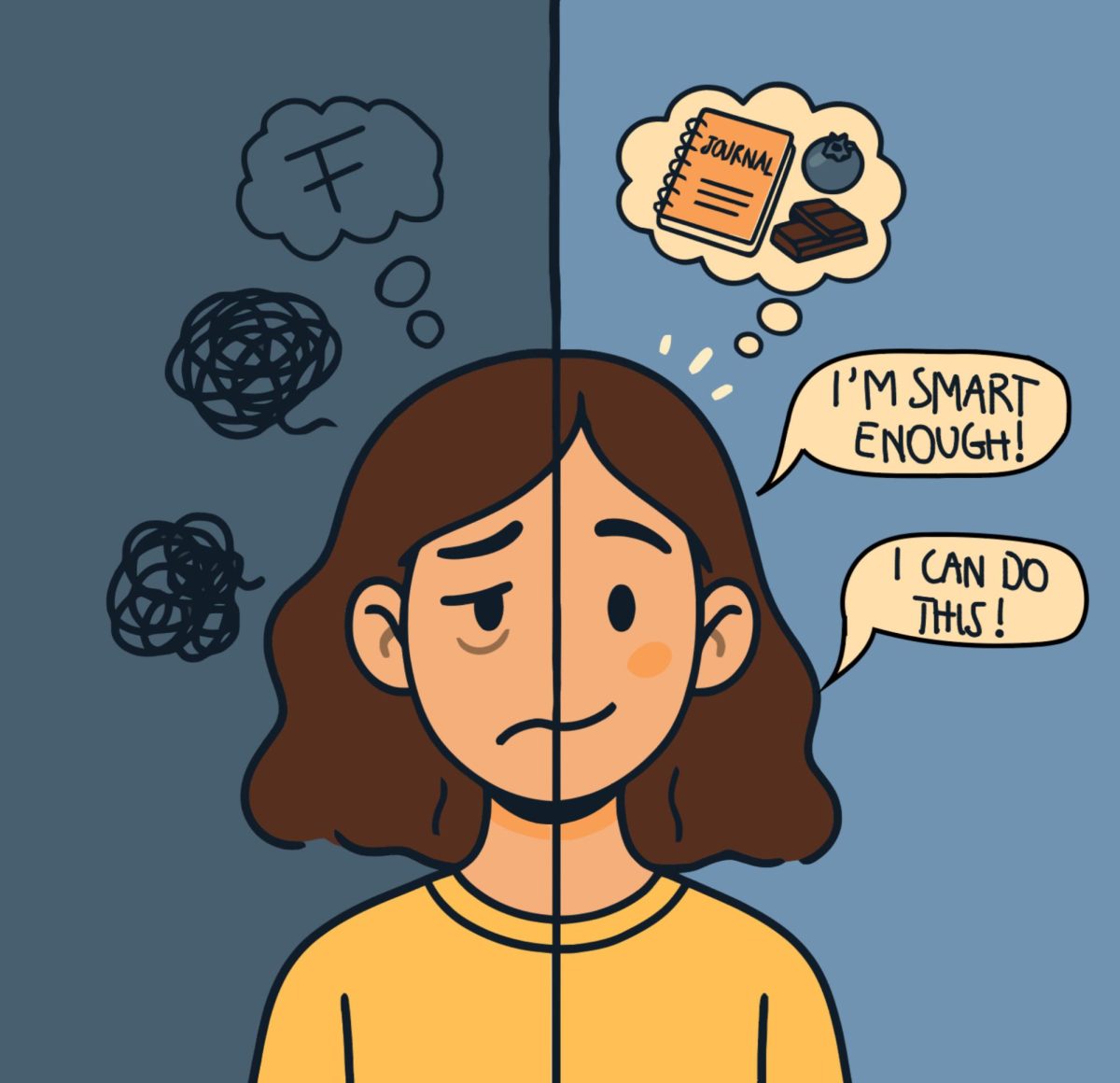
When burnout hits, it’s easy to spiral into negative self-talk, convincing yourself that you’re lazy and performing poorly. Reframe those thoughts to change how you experience stress.
You’re more likely to procrastinate if you don’t see the value in the task in front of you.
Remind yourself of the purpose. Connecting your current task to one of your short-term or long-term goals.
4. Express your stress
Sometimes, mental blocks stem from emotions you’ve been repressing. Give yourself permission to release them.
This can look like journaling your thoughts, venting to a friend or simply sitting with your feelings and letting them pass.
By freeing your mind of these pent-up emotions, you actively relieve the stress that’s causing your mental blockage so you can continue with your tasks in a clearer headspace.
5. Positive self-talk
Tell yourself encouraging messages, things you would tell a friend in your position.
Remind yourself you’re capable of doing what you set your mind to and recognize you are trying your best.
One effective way to reinforce this mindset is by writing positive affirmations on post notes and placing them in visible areas, such as your bathroom mirror, workspace or car dashboard.
These gentle reminders can help shift your mindset and boost your confidence throughout your day.
Recognize your efforts by acknowledging your small wins and reflecting how far you’ve come. Every step forward matters.
With that being said, let us remind ourselves feeling burnout is not a sign of weakness. It’s your body and mind signaling that they need care. Listen to that signal.
Give yourself some grace for all of your efforts and recognize your needs at this moment.