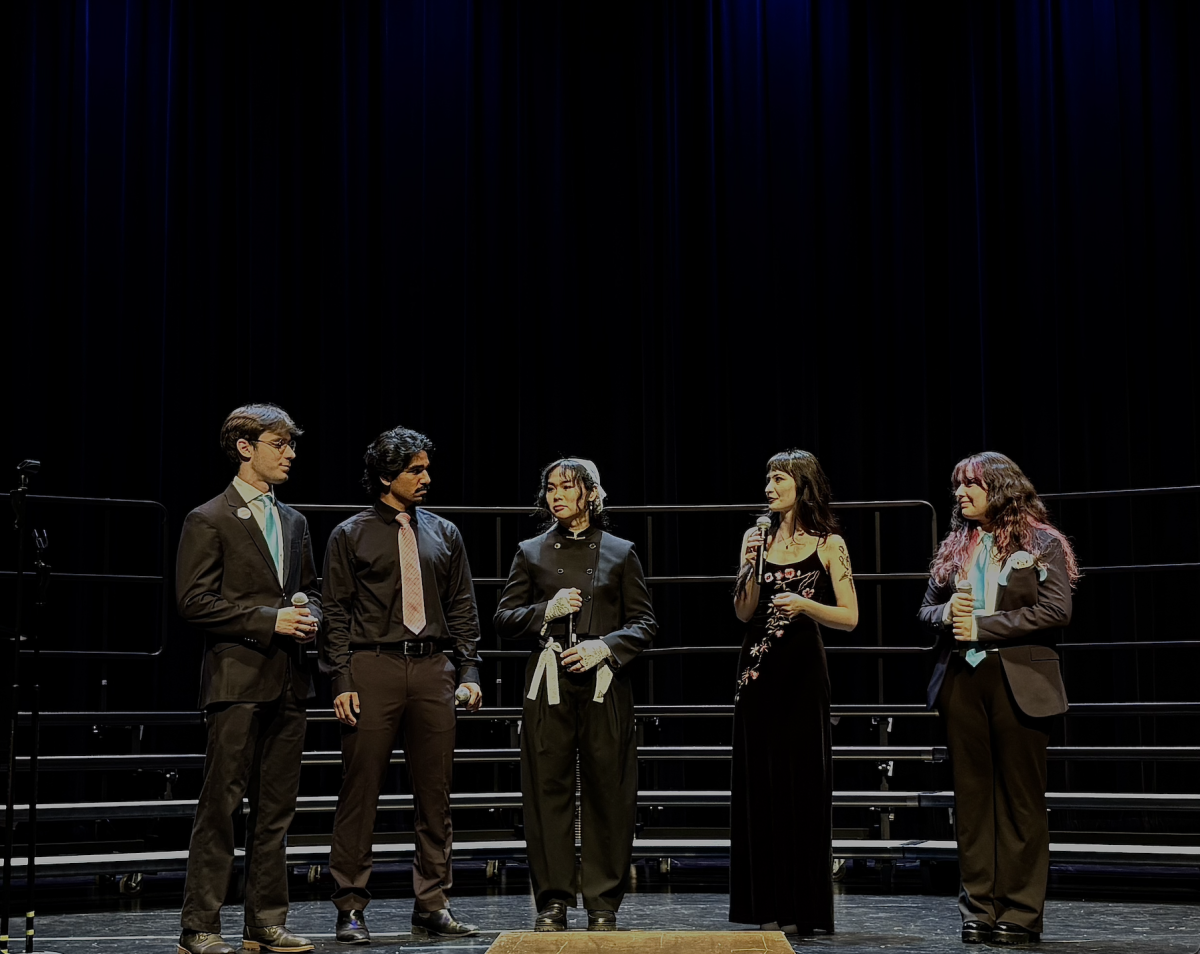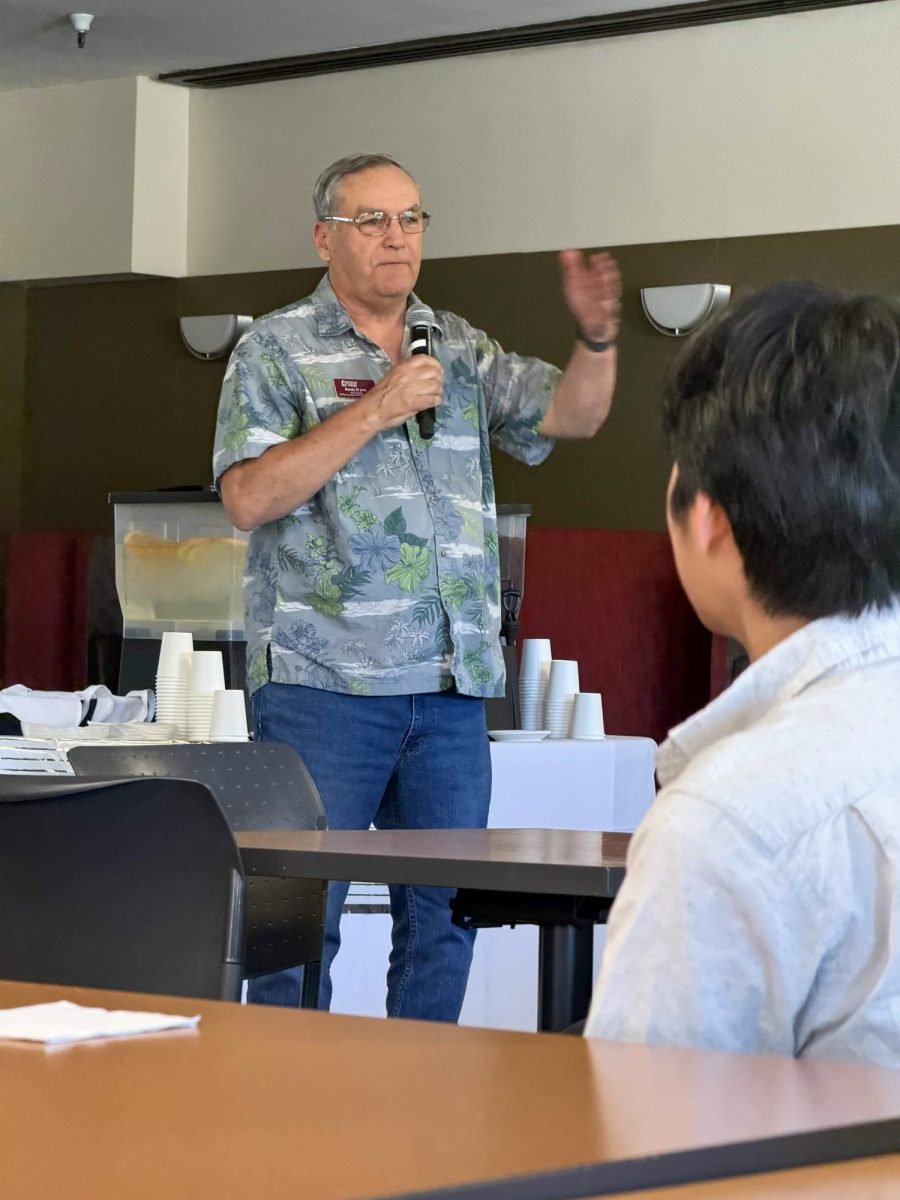
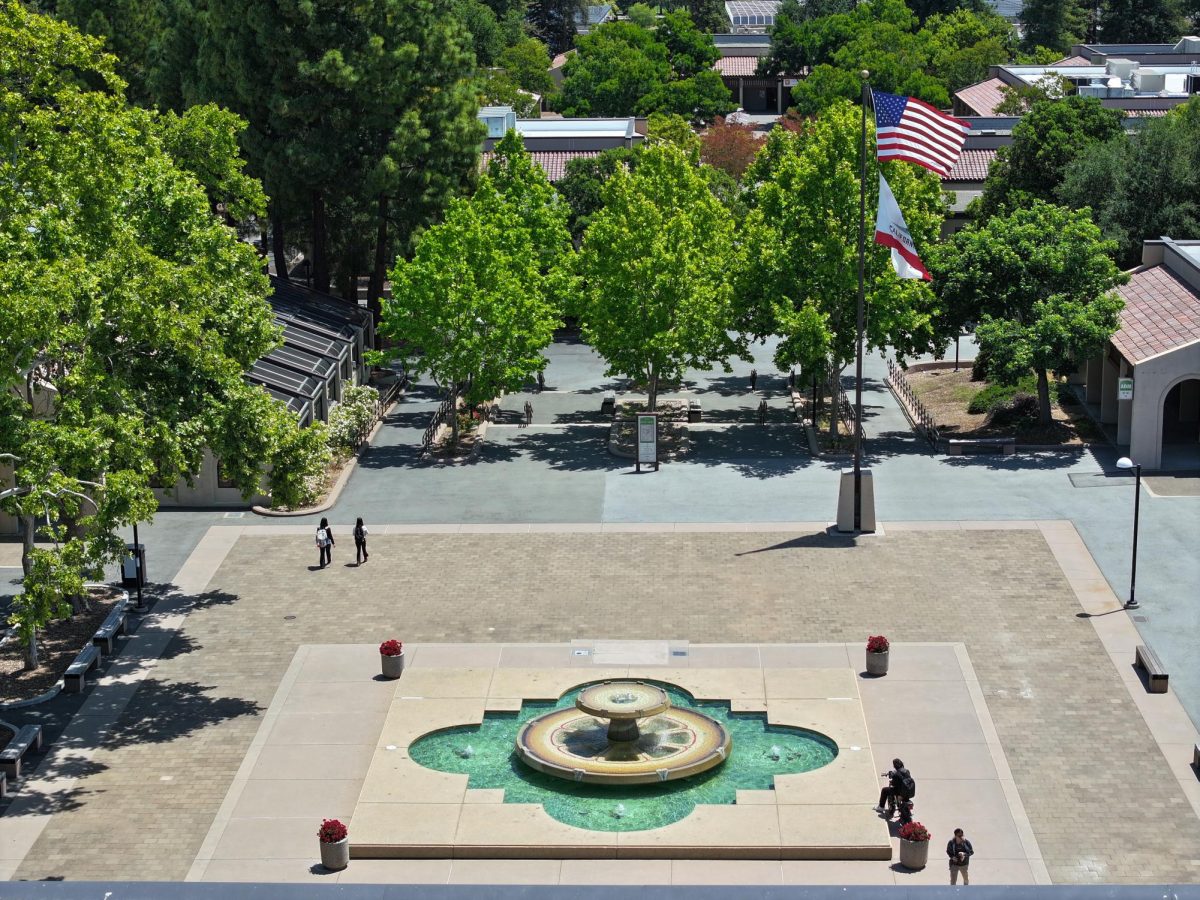
Students at De Anza College say fears of doxing, harassment and threats of violence discourage them from participating in activism and speaking freely on campus, such as demonstrations related to the Israel-Palestine conflict and voicing communist affiliations.
Pro-Palestinian students risk being published on Canary Mission, a website that posts the personal information, social media accounts and offenses against the state of Israel of students and faculty who support pro-Palestinian or anti-Israel causes across college campuses.
While Canary Mission exposes individuals who share antisemitic conspiracy theories or neo-Nazi propaganda, the site also includes people such as Desiree Humphers, a former De Anza student who served in DASB (now DASG) from 2016 to 2018.
In 2017, Humphers helped pass a resolution that required the Foothill-De Anza foundation to divest from companies that partner with Israel in the occupied territories of Palestine. She was subsequently placed on the Canary Mission site.
“It affected my activism,” Humphers said. “I was discouraged, because I don’t like being stalked, and that’s more or less what they were doing.”
A total of 20 De Anza alumni are on Canary Mission, including 12 students who voted for the 2017 divestment resolution. Though the site lists no current De Anza students, students still fear being doxed for activism.
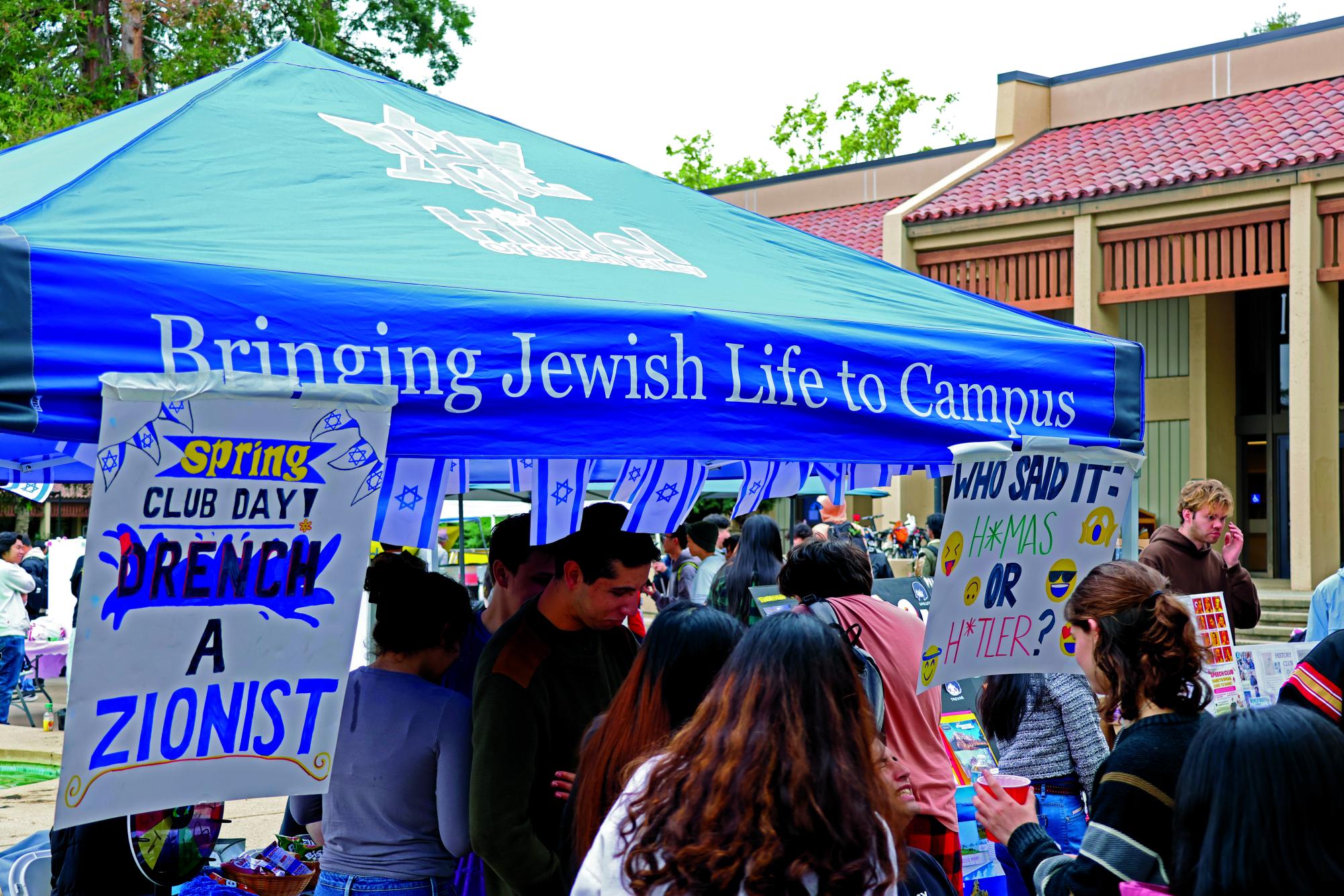
Ariel Shalev, 19, history major and member of De Anza’s Jewish Student Union, said he supports the Canary Mission but thinks it should be used responsibly.
“The majority of times I’ve seen it used, it’s actually been warranted,” Shalev said. “I don’t want it to be abused … I don’t want every single pro-Palestine person (on there).”
Shalev said JSU experienced harassment last fall — vandalism of a temporary, on-campus memorial built to honor Israelis who died in the Oct. 7 Hamas attack on Israel in 2023.
“For the most part, the school administration has been quite helpful,” Shalev said. “We spoke to the dean of equity … she’s been very supportive, very cooperative.”
Kavi Kumaresan, 20, film and television major and member of the Revolutionary Marxist-Periyarist Panthers, a Marxist-socialist De Anza club, said his club was targeted for exercising its freedom of expression and its members received death threats.
“Our posters were vandalized with disgusting words,” Kumaresan said. “There was a quote above my head (on the poster) that said ‘only good communist is a dead communist.’”
Kumaresan also reached out to the administration about this issue, but he says they weren’t taken seriously.
The vandalizers of the JSU’s memorial and the RMPP’s poster have not been apprehended.
A member from De Anza’s Muslim Student Association, who wished to remain anonymous, said they witnessed a woman with an Israeli flag tied on her neck harassing and recording students wearing keffiyehs at De Anza’s 2024 fall Club Day.
Separately, the MSA club member claimed individuals from Hillel International, a national Jewish college student organization known for being pro-Israeli, filmed students and provoked confrontations on-campus.
“It definitely is challenging to organize, knowing that your freedom of speech stops when it does not meet certain groups’ agendas,” the MSA representative said.
Shalev, a member of Hillel of Silicon Valley, said members of Hillel visited campus before and he did not see them photographing pro-Palestinian students, adding that he never took photos of students himself.
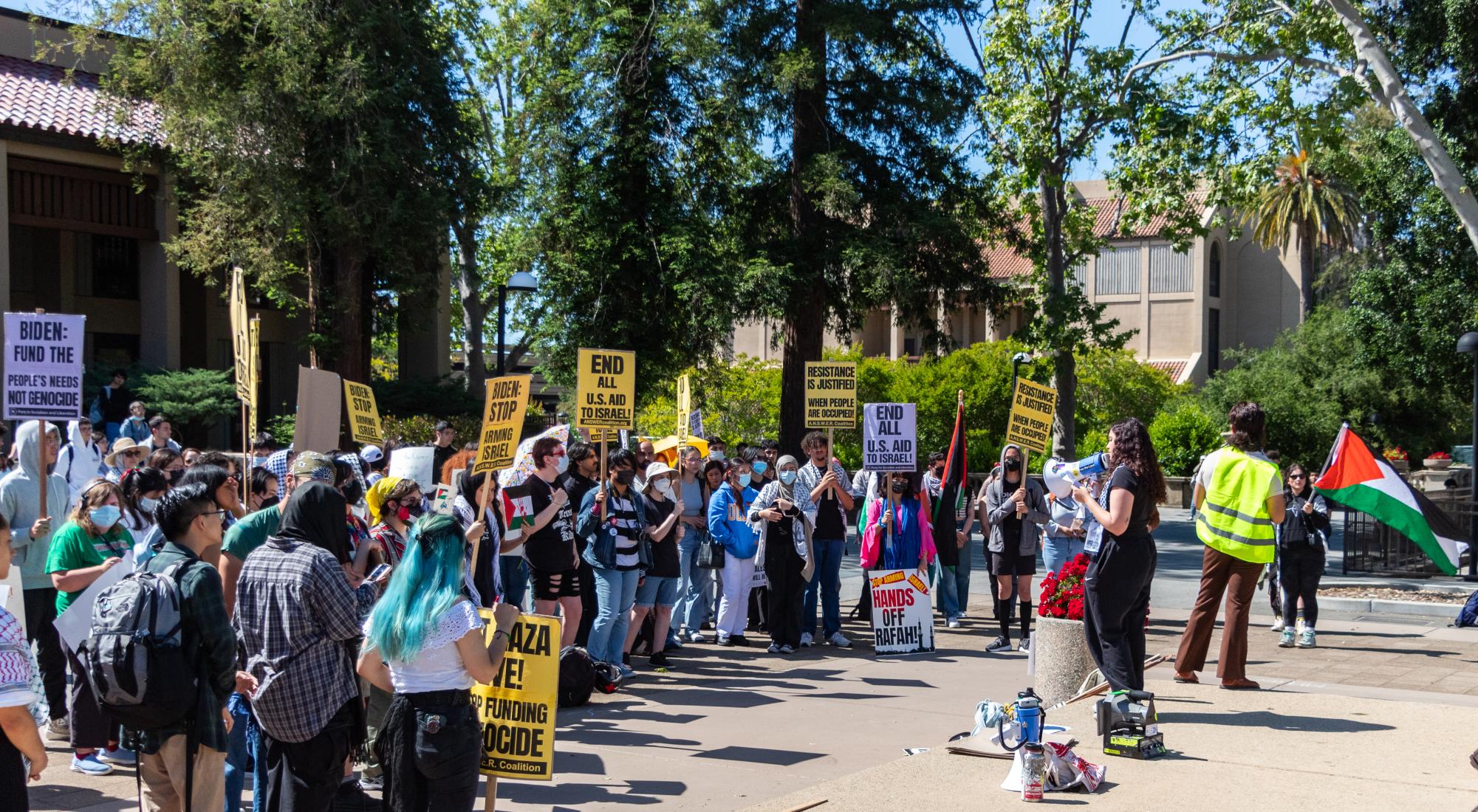
A member of Students for Justice in Palestine, requested anonymity and said the club’s members experienced harassment in the form of being photographed and reached out to administrators for support.
“We worked to ensure that all student groups feel welcome and met with groups or individuals who have questions or concerns,” Torres wrote in an email to La Voz. “Student engagement must always be conducted in accordance with college and district policies.”
James Nguyen, political science instructor, said that the fear of doxing and current political climate in the United States create a “chilling effect” of free speech on campus.
Students with differing political beliefs say they feel unsafe from online harassment, political surveillance and tension at De Anza, with some turning to self-censorship, Nguyen says.
“You can’t really say that we support democracy and then silence the voices of those advocating for human rights,” Nguyen said. “If your name might be published online and followed for years, how free is your speech really?”