This is the opinion of the writer and does not necessarily reflect the views of La Voz News.
President Donald Trump’s decision to grant TikTok a reprieve was met with widespread applause, but the alternative of banning the app would not have led to a dystopian wave of mass censorship or national isolation.
The Senate passed the Foreign Adversary Controlled Applications Act on April 23, 2024, forcing ByteDance, a Chinese technology company, to either sell TikTok or face a national ban.
For 14 hours, the app was fully unavailable to United States users on Jan. 18.
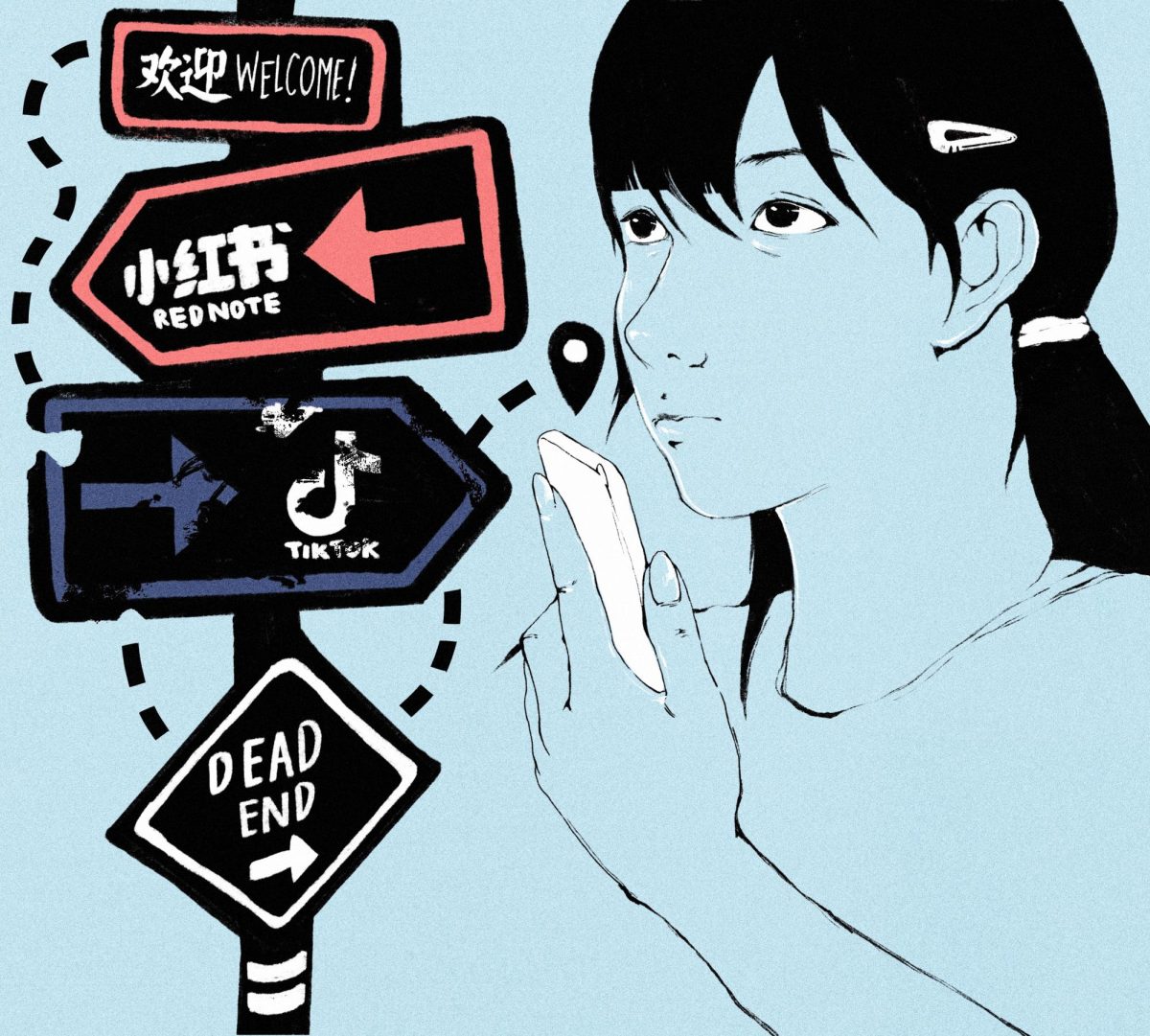
Ironically, the ban provided many young Americans the opportunity to bridge connections with Chinese users, resisting the hostile rhetoric that often mires U.S.-China relations.
In an act of rebellion, numerous TikTok users migrated to Chinese social media sites like Xiaohongshu, otherwise known as “RedNote.”
For some, the ban also allowed Americans to challenge the Cold War-style rhetoric that shaped perceptions of nations like Cuba, Iran and Vietnam in previous decades.
After passing legislation to ban the app, California representative Nancy Pelosi called it an important step to safeguarding “against surveillance and influence operations that are hallmarks of the Chinese Communist Party.”
Unlike TikTok, RedNote is primarily used by Chinese mainlanders, and critics argue that it’s more “heavily censored than posts on TikTok.”
Speculation is rife that Congress may soon move to ban RedNote as well. But to what end?
Every nation prioritizes its own national security, yet endlessly playing Whac-a-Mole with social media apps will likely have little real impact.
Some Americans understandably ask why they should worry about Chinese companies collecting their data when U.S. companies do the same — often in a manner that they feel more tangibly in their daily lives.
Many critics have raised fair concerns regarding TikTok, RedNote and the Chinese government.
Americans, however, have little reason to trust their government to safeguard their digital privacy and safety internationally when they routinely fail to do so at home.
In 2017 alone, Facebook earned “$40 billion in advertising revenue”. Shouldn’t lawmakers direct an equal level of ire toward them?
Some argue that while Facebook’s conduct is violating, TikTok poses a far greater threat due to its tensions with the U.S.
While that may be true, lawmakers must present the argument in a way that young Americans actually believe. Like it or not, the reality remains that many simply don’t view China as a significant personal threat.
Until lawmakers shift young Americans’ perspectives, demonstrating that the U.S. government is working in their favor rather than against it, they will continue to revolt against the restrictions placed in front of them.