
“Heated Rivalry” is a Canadian TV show centered on the romance between two male hockey players on rival teams.
The show has garnered critical acclaim among reviewers on Rotten Tomatoes and IMDb. It is an adaptation of a novel by the same name, written by Rachel Reid in 2019 under the “Game Changers” book series, an anthology of stories that “Heated Rivalry” originates from.
Despite having success commercially and in viewer reception, some expressed criticisms of the show that extend to its unapologetic sexual themes and imagery. Others showed admiration for the show’s storyline and themes.
“It was a slow build for me,” Jamie Pelusi, Pride Center Coordinator, said. “It got more substantial, you learned more about the characters and I got more invested in their stories.”
Jean Eddy Damas, 21, nursing major, said that despite what people think, the show is not only about sex, but also love and how hard it can be at times, especially for queer people.
“It made me believe in love again,” Damas said.
The aforementioned criticisms and critiques came in different forms, some out of preference.
“I’m asexual, and I hear that it’s kind of a steamy show, so I don’t really like watching that kind of thing,” Campbell Miller, 20, art history major, said.
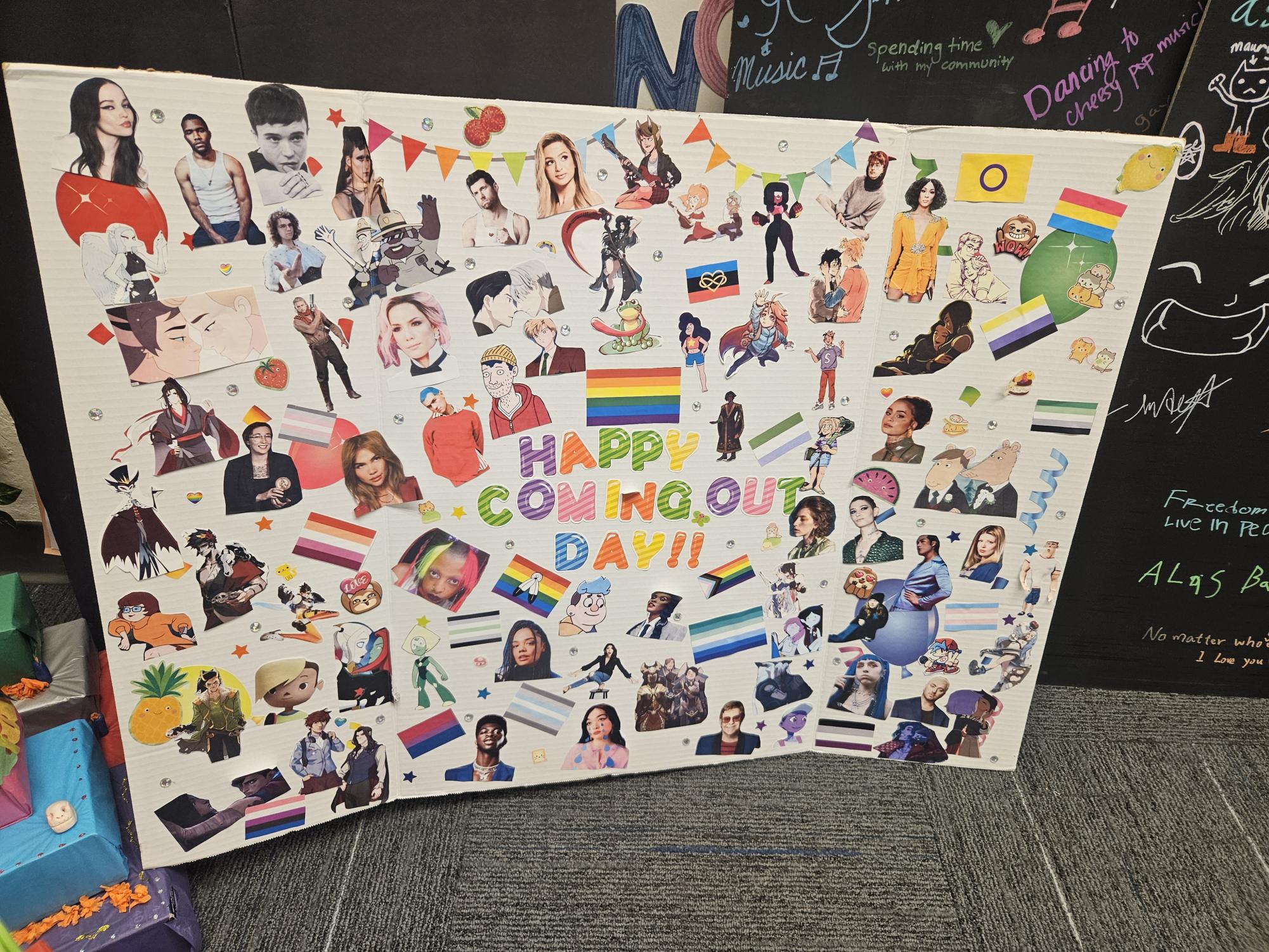
Gay & Lesbian Alliance Against Defamation is a non-profit organization advocating queer representation in entertainment. Their 20th anniversary report highlights queer representation in shows released in 2025, including 489 LGBTQ+ characters, 33 identifying as transgender.
“There is an extreme lack of trans representation in media,” Pelusi said. “That makes it really difficult because there’s a lot of negative rhetoric that gets put out in the political sphere.”
Pelusi said that not seeing representation of yourself in the media can be “damaging and isolating, especially in a conservative area.”
Students also expressed the need to represent aspects of the LGBTQ+ community that haven’t been explored deeply compared to the dynamics seen in “Heated Rivalry.”
Henderson Sandoval, 19, psychology major, said they would love to see more transgender, nonbinary and genderfluid experiences on the screen, as well as characters actively exploring their orientation with a partner.
“There has been an underrepresentation of queer people in media that is done properly, and without this dramatic ending, like one of the people dying,” Sandoval said.
Damas added that there should be more black representation in media that doesn’t focus on being in the closet, and for queer relationships in media to be represented more accurately.
“Sometimes I don’t like the image that they’re selling about queer people,” Damas said. “You don’t feel like you’re everyone; they still show that you are different from straight people.”
Miller said that asexual and aromantic representation is a misunderstood aspect of the LGBTQ+ community, and that she’d prefer to see more representation of aromantic asexual people.
Culture has been shaped through media, and has been a topic of contention within the idea of ‘culture war’ on social media. The LGBTQ+ community is a huge part of this topic, becoming a political talking point around the world.
“It is an issue because it’s a distraction,” Pelusi said. She said that even though grocery bills are high, the government will shift blame and create fear around other communities instead of facing accountability.
Sandoval said that stereotypes aren’t a good representation of minority groups, with examples like “Brokeback Mountain” being a bad representation of the queer community because of the stereotypes.
Damas said stereotypes can warp people’s perception of the queer community, and that poor representation can lead to people having a negative perception of LGBTQ+ people.
LGBTQ+ representation has evolved and grown up to today with “Heated Rivalry.” Different aspects of the community have been portrayed in the media.
However, some in the LGBTQ+ community argue that there should be more representation of themselves.
“I’ll say that we need more,” Pelusi said.
“Heated Rivalry” is available to stream on HBO Max in the United States and Crave in Canada.