Teachers from across San Francisco went on strike the morning of Feb. 9.
This comes as the result of disagreements between the teachers’ union, the United Educators of San Francisco, and the San Francisco Unified School District, over salaries, special education workload models, healthcare and more.
Students and community members gathered with the educators at 1 p.m. in front of the San Francisco Civic Center for a rally.
This is the first of such actions in the city since the last San Francisco Unified teachers’ strike in 1979, which lasted for six weeks.
Transcript:
0:05
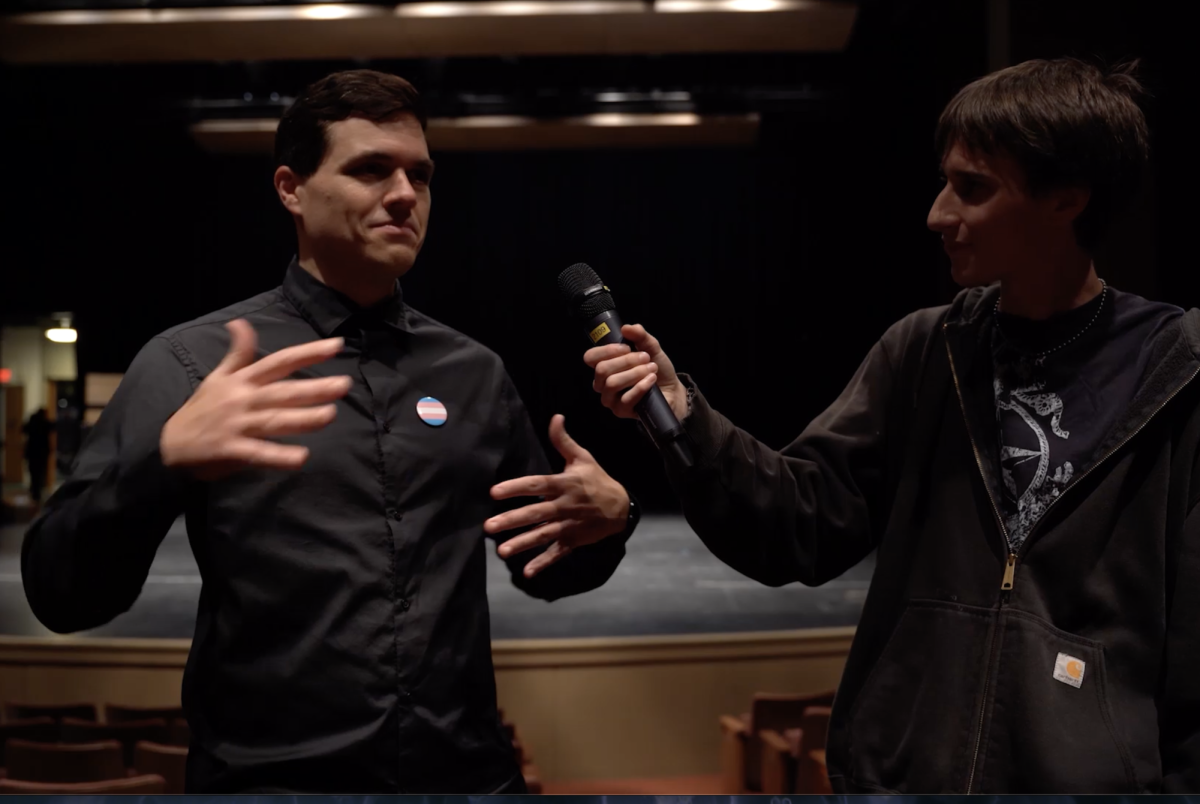
SANGO LEVONIAN – LA VOZ STAFF: Teachers from around San Francisco went on strike the morning of February 9th, 2026. This action comes as the result of disagreements between the teachers’ union, the United Educators of San Francisco and the San Francisco United School District regarding salaries, special education, workload models, healthcare and more.
Teachers, and even some students gathered at 1:00 PM in front of the San Francisco Civic Center for a rally.
0:31
ALISON FINNEGAN ETCHEVERRY – K-5 INSTRUCTIONAL COACH: I’ve been with San Francisco Unified since 1994 as an emergency sub, and this is also my hometown, and I attended S-F-U-S-D, and I’m just really frustrated that the district isn’t taking the teacher’s demand seriously. We’re in one of the richest cities in the world and our teachers can’t even afford to live in the city. I’m here to just stand up for the rights of teachers, but also so that we can stay for our families and students because the cuts that they’re proposing are making already a really difficult job, almost impossible.
1:12
FRANK LARA – EXECUTIVE VICE PRESIDENT, UESF: We have the four large demands: raises, fully paid-for healthcare, SPED services is a really big one– making sure that we’re individualized plans instead of just caseload models. And then also housing policy and sanctuary, which is for our families, making sure that public land is used for public housing and that sanctuary policies in our contract to defend our members who are defending our students, and we’re happy to announce that that actually came to an agreement.
The other ones around raises and fully paid-for healthcare, the district has claimed that they’ve offered that, but they offered that with concessions to our contract, removing benefits from educators and benefits in the classroom. So what we’re saying is we are not giving any concessions. We are negotiating the current demands, but we are not going to give concessions to pay for raises that they have money for and can afford now instead of putting it in savings accounts.
2:06
LEVONIAN: La Voz was unable to reach the San Francisco Unified School District for comment. The district did, however, release a public statement maintaining that with their current funds, they’re unable to match the full increase in salaries demanded by the teacher’s union.
2:21
LARA: For the last five years, this district has been operating on losing 400 teachers per year. That’s not even, again, it’s not firing, it’s just literally 400 teachers burn out leave, or for whatever economic pressures leave. So as we’ve increased pay raises, that has started to stabilize, and now we’re seeing educators stay a little bit longer even past what they call temporary contracts. We think if we win this contract with Universal Healthcare, it’ll actually start attracting experienced people. So it’s not just new educators, which we want to welcome, but actually starting to attract educators across the different counties to come teach in the city.
2:58
LEVONIAN: The San Francisco Unified School District serves over 50,000 kindergarten through 12th grade students. Due to the strike, all schools within the district have been closed and will continue to be closed through at least Tuesday, February 9th as negotiations progress across the country.
3:15
CAILYN TUONG – STUDENT, ABRAHAM LINCOLN HIGH SCHOOL DRUM CORPS: We’ve heard a lot from our teachers about the strike and the injustice about their wages, and then having no healthcare. Some of our teachers just asked us to come out and play because we’re one of the loudest clubs at our school because of the drums and everything. So yeah, we just came for our teachers and to support them and to make noise.
I’ve seen many teachers from my school that move out of San Francisco to go to Burlingame High School because the wages there are just so much higher and better. So yeah, this wage, they really can’t live off of it and they just have to move out, which is really sad to see. I think last year we lost seven teachers, so right now we have a lot of substitutes and yeah, it’s just a struggle really.
3:58
ETCHEVERRY: From my experience, the special ed department is just a hot mess and we are lacking in so many resources. I work in a school right now that has two special day classes with children with really high needs, and the district is basically cutting paras. They were trying to cut our social worker. These are kids with really high needs, and the people who have the caseloads, the special ed teachers have this huge caseload.
4:26
LARA: And the issue with that is that we’re losing about 50% of educators after three years for special education. It’s a very challenging level of service that needs to be given. So we’re saying with the special education workload model, which we’re offering is that instead of a student being treated as just one case, we’re actually basing off on the level of service needed. So one student may have 30 minutes a week, but another student may have two hours a week, and that instead of being treated as one case gets treated proportionally to add more support staff.
We have presentation of proposals ready to close out this deal as the district is serious. So nobody wants to see the strike to go longer than it needs to. We’re trying every single day to end this strike now with the money they have now, and the district can’t do that, they need to step up and prioritize that as well as the board of Education.
So we understand that, which is why we’re not trying to disrupt the education is very difficult for everybody involved. But as a teacher who’ve been supporting our students, we know that students are also paying attention to us at the moment, and we’re also learning from them. They’re also protesting what’s going on around the country. They’re also demanding justice, and if they see their teachers fighting for their rights, it’s also a model for them to fight for their rights in the future.