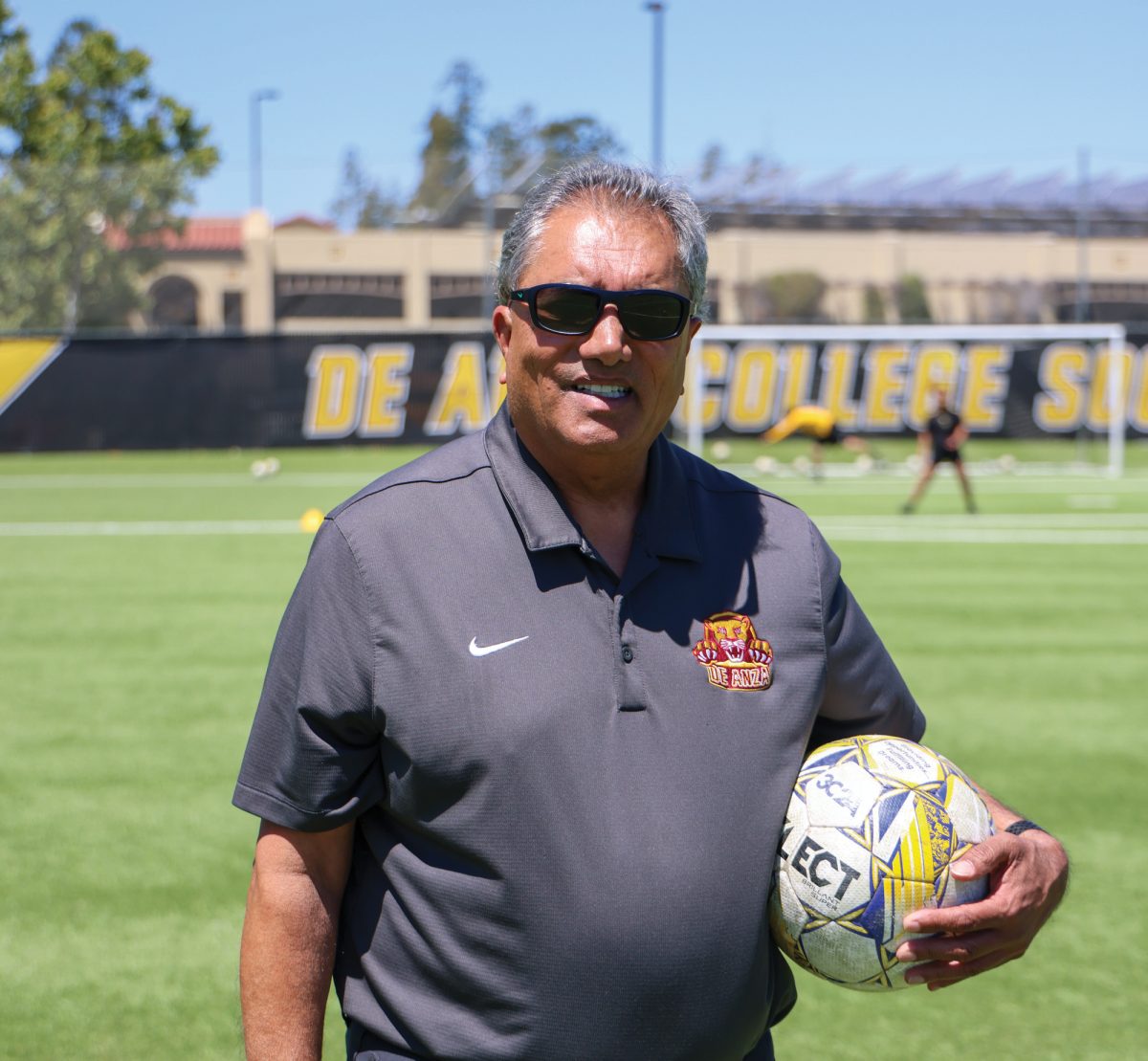
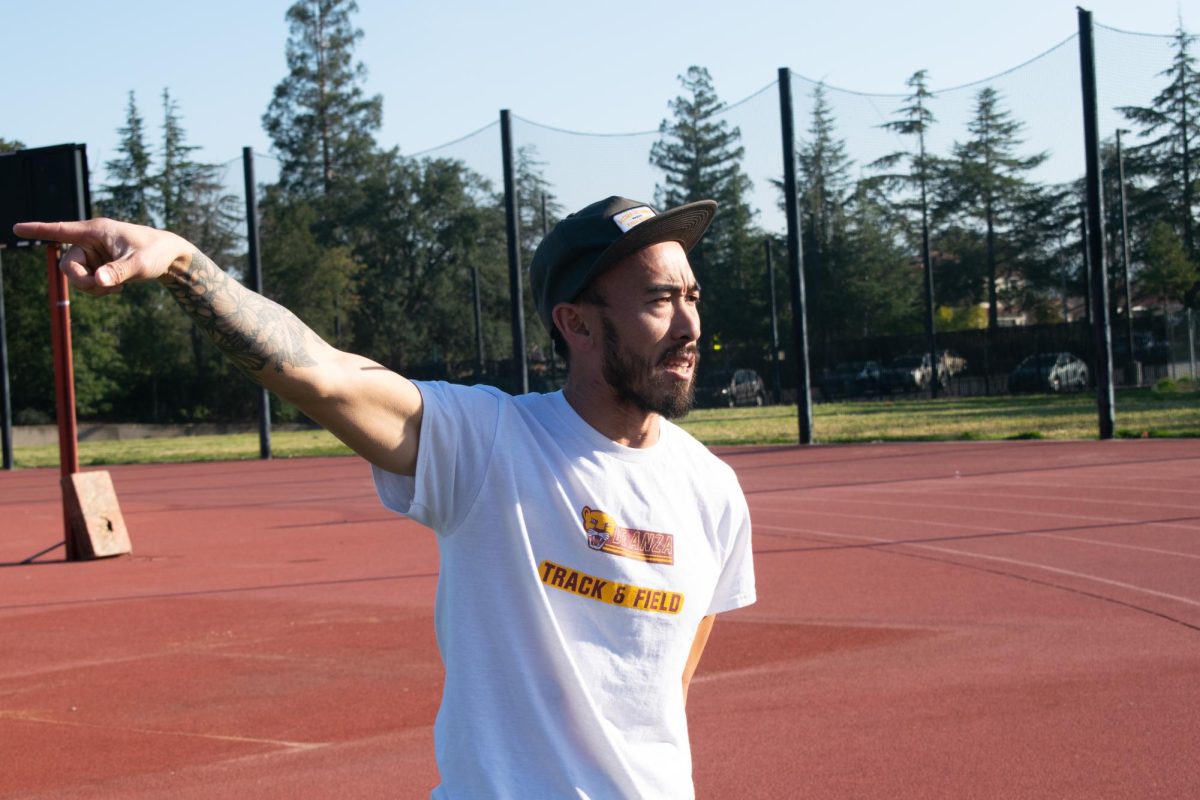
“The only way you can grow and develop is that you have to be willing to be uncomfortable and push yourself,” said Sean Gwi, De Anza College’s newly appointed interim head coach of the track and field team.
With a career spanning almost two decades across high school, collegiate and club levels, Gwi brings a unique power-and-speed-focused approach that could reshape the training and performance of the Mountain Lions.
Gwi’s love for sports began in high school and college.
“I ran track when I was in high school,” Gwi said, “then I went to the City College of San Francisco and started to compete there.”
Due to academic challenges, Gwi took longer to transfer, which affected his athletic eligibility. Even so, his passion for sports was not diminished. After attending San Francisco State University, he began coaching track and field.
Over the years, Gwi has built an impressive résumé. He coached at institutions such as Laney College, where he advanced from assistant to head coach, Chabot College, the University of Hawaii, San Jose State University and Dartmouth College.
“After my child was born, I realized that Division I coaching was too demanding for my family,” Gwi said.
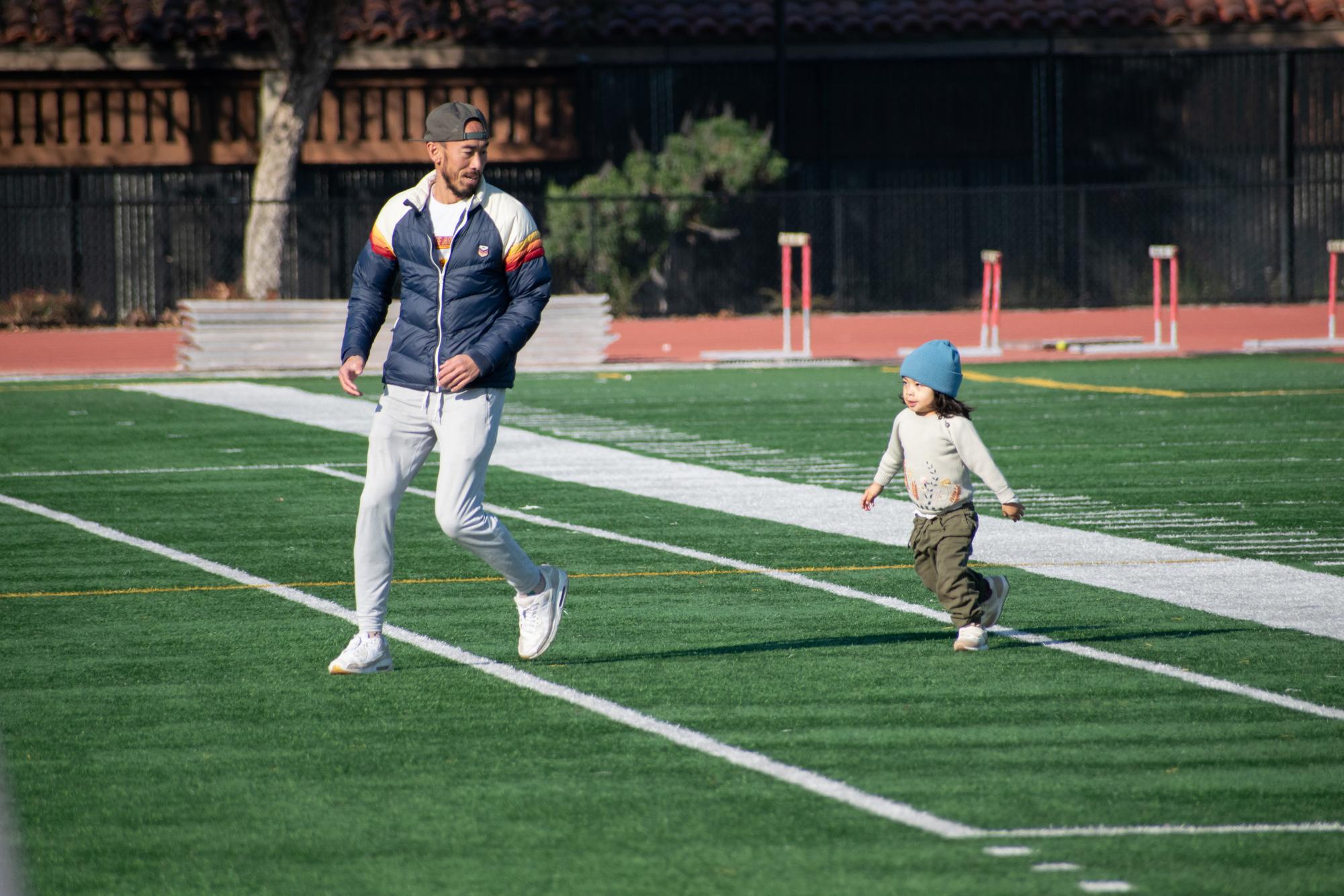
To reduce the family burden, Gwi decided to move back to San Jose, where he continued coaching at Harker School and a professional sports club before joining De Anza as an assistant coach. Following the departure of former head track and field coach Nick Mattis, Gwi stepped into the role of interim head coach.
Contrasting with traditional methods that often emphasize endurance and high-volume workouts for both sprinters and distance runners, Gwi emphasizes building explosive power and speed from the outset in his training.
“For me, I do a lot of speed and power first, then move to the more specific works,” Gwi said. “Instead of starting with high-volume, endurance-based training, I believe that laying a foundation of strength and explosiveness could have more benefits to every track and field athlete.”
Beyond the physical training, Gwi views track and field as a microcosm of life. The sport teaches athletes discipline, punctuality and resilience.
“Track and field is like a life lesson,” Gwi said. “It teaches you how to manage adversity, balance multiple aspects of your life, and deal with the fear of failure — like when you’re jumping over hurdles and risk a fall. The ability to push through discomfort builds the strength to face challenges in real life.
Gwi also specified how participating in sports can favorably influence a person’s daily life.
“In terms of personal development, specifically, you will form habits like showing up on time, eating at the correct time, etc. So, most likely, when you go to your work, you’ll remember your laptop, your notebooks, and you’ll go fast,” Gwi said.
The shift in Gwi’s training philosophy has resonated with his students. Aryamaan Choudhury, 19, aerospace engineering major, expressed optimism about the upcoming season.
“I just want to get better than I was last year,” Choudhury said. “The previous coach focused heavily on endurance training, which didn’t always suit short sprinters. Coach Gwi’s emphasis on explosive power seems to fit the team better.”
Sprinter Borgie Bueno, 20, data science major, shared a similarly positive view, especially as he works to overcome past injuries.
“I’m coming off a lumbar strain, and Coach Gwi has been incredible in helping me get back to health,” Bueno said. “He takes everything seriously and is always pushing me to progress, both in strength and speed. I’m really optimistic about my final season.”
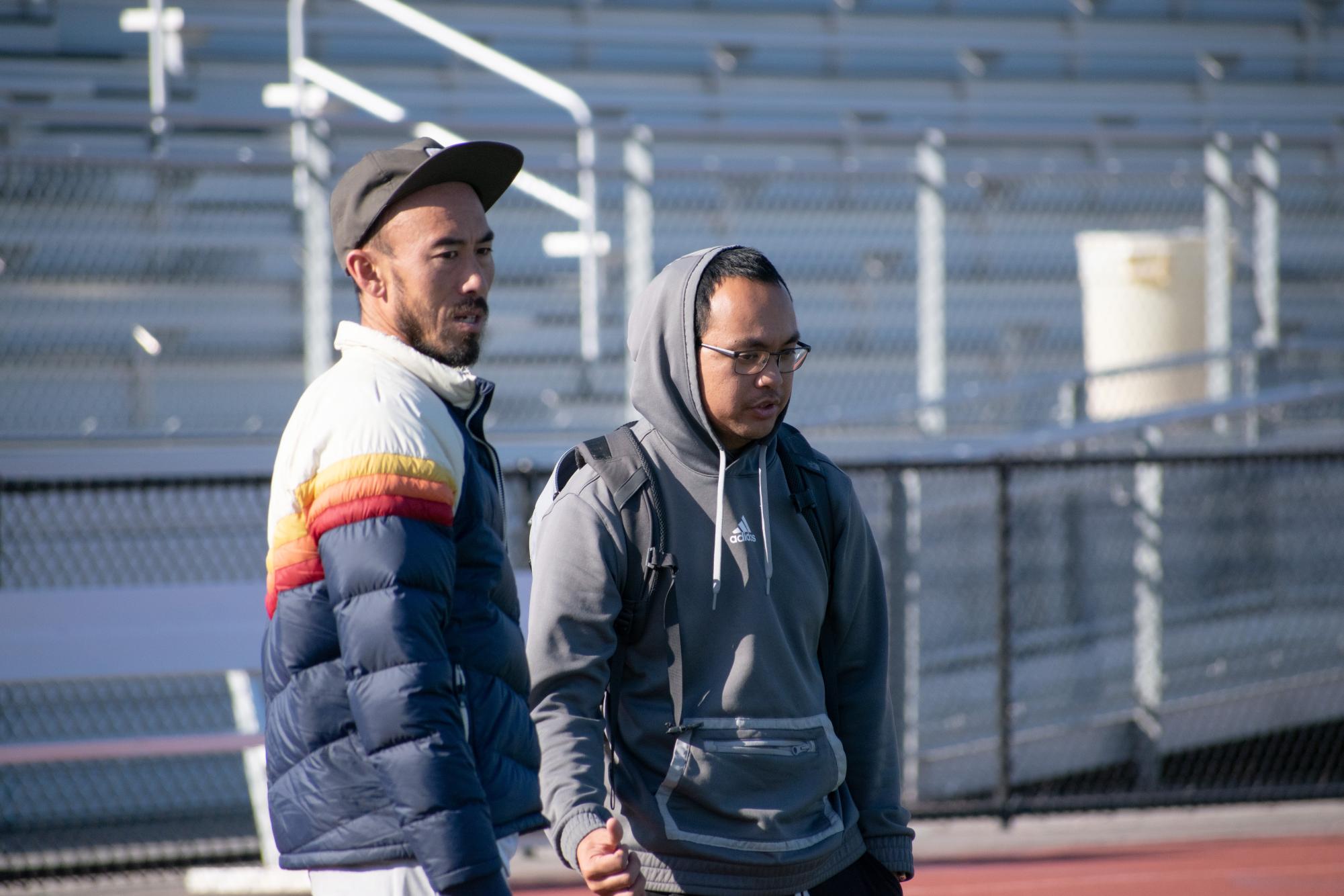
Despite balancing family life, club responsibilities and the rigorous travel schedule for competitions in cities like San Francisco, Gwi remains focused on creating a supportive, growth-oriented environment for his athletes.
“My expectation for the team is to keep everyone healthy and happy, both physically and mentally,” Gwi said. “In the first two weeks, I could kind of see where everybody’s at so that we could make more effective adjustments later.”
The challenges of stepping into the head coach role are not lost on him.
“It is tough to become a head coach here, especially with everything else going on in my life,” Gwi said.
However, support from the administration and the team’s willingness to adapt have made the transition smoother.
“I’m very grateful for the support from everyone. It makes a huge difference when you’re having multiple responsibilities,” Gwi said. “Whether it’s multiple years or just one year here, it’s a very rewarding experience. I look forward to the next few months and (seeing) how things are going.”