With opioid deaths on the rise, De Anza College and other colleges take action by providing naloxone and fentanyl testing strips to protect students and staff.
Fentanyl-related deaths are intensifying the opioid crisis across the United States. The synthetic opioid, 100 times more potent than morphine, has quickly infiltrated the illicit drug market.
The drug’s potency and low cost of production makes it an attractive additive for drug dealers, who often mix it with other substances like heroin, cocaine, methamphetamine and counterfeit prescription pills, according to the Drug Enforcement Administration.
This practice, known as “lacing,” creates a dangerous situation for users, who may be unaware of its presence.
Fentanyl, lethal even in small doses, can cause respiratory depression, unconsciousness and death, and poses risks to users, law enforcement and first responders through skin absorption or inhalation.
College students are particularly vulnerable to fentanyl due to social pressures and drug availability.
The urgency of implementing intervention strategies is underscored by the National Institute of Health’s report that “as of Oct. 6, 2023, 31.4% of college student deaths – 286,657 cases – occurred among individuals with at least some college education.”
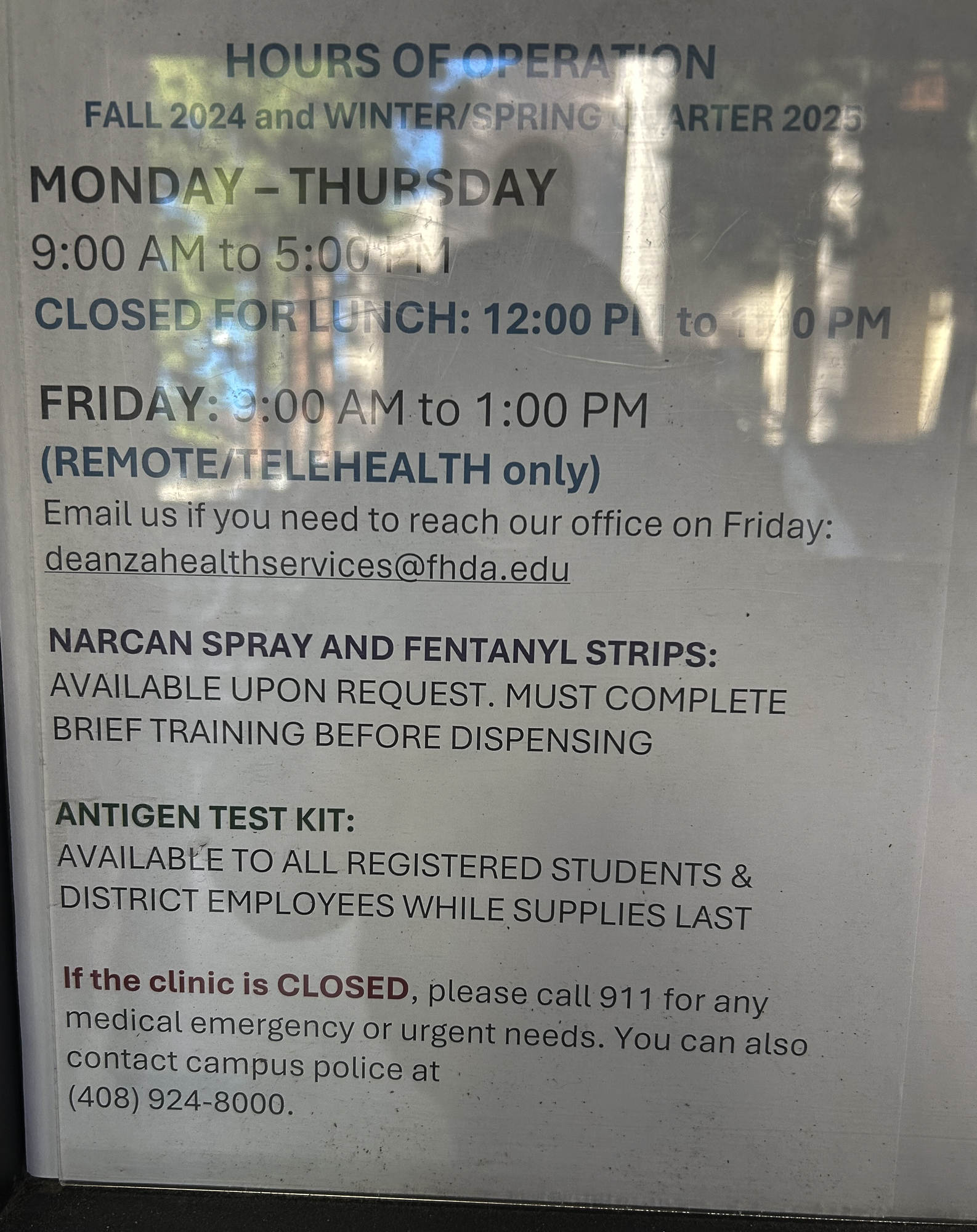
In response, California lawmakers passed Senate Bill (SB) 367, or the Campus Opioid Safety Act. Effective since Jan. 1, 2023, this law allows public colleges and universities to provide students with opioid education and access to overdose reversal medication like naloxone.
Naloxone is a nasal spray that can be used to reverse opioid overdoses, including those caused by fentanyl.
Some students weren’t aware that such services were available.
“I didn’t even know that there was a health office. It’d be better if there was a website or flyers,” Enrique Moreno, 19, economics major, said. “I’ve seen in San Francisco that people are on drugs like that. It’s crazy. I wish that the government did more to help.”
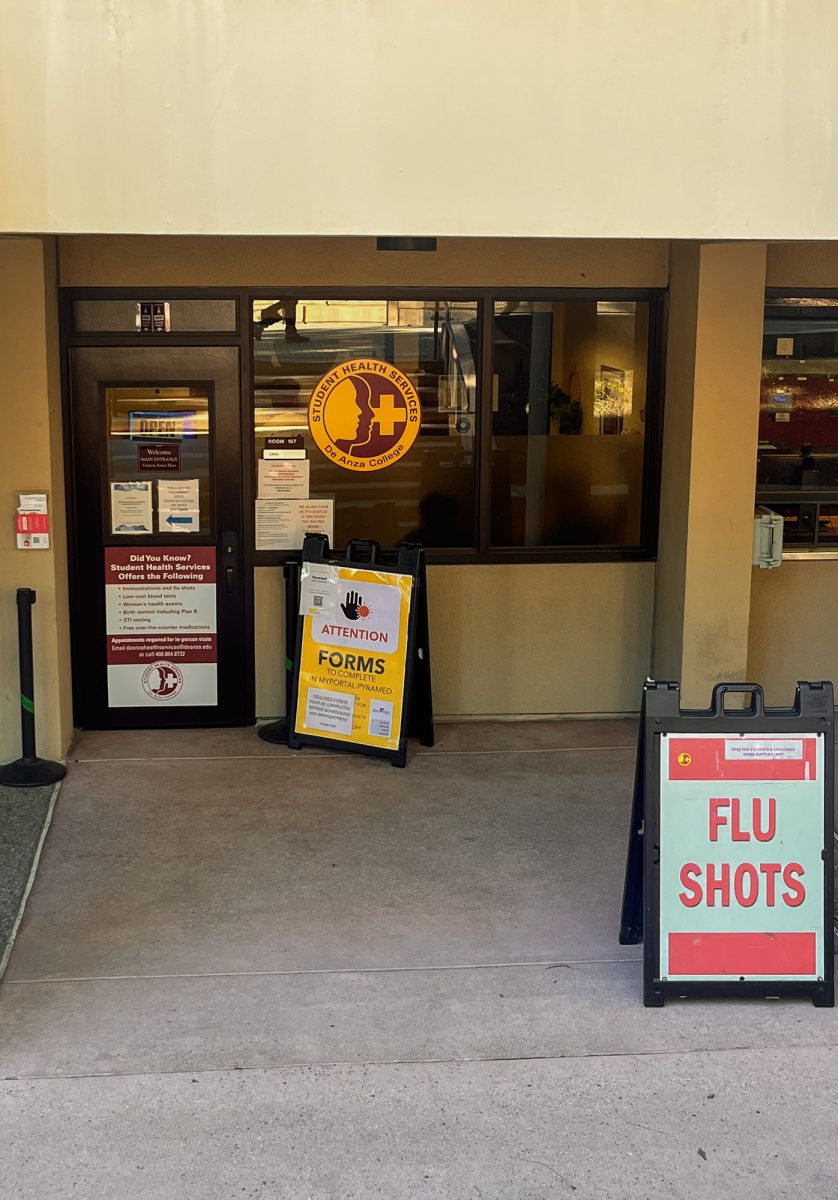
Student Health Services can be located on the college website, as well as on the ground floor of the Hinson Campus Center. The subpage for naloxone and fentanyl test strips can be found here, and flyers and posters advertising it are located around campus.
“Seminars or forums for educating students” might help raise awareness of the available resources at De Anza, Angel Garcia, 32, computer programming major, said.
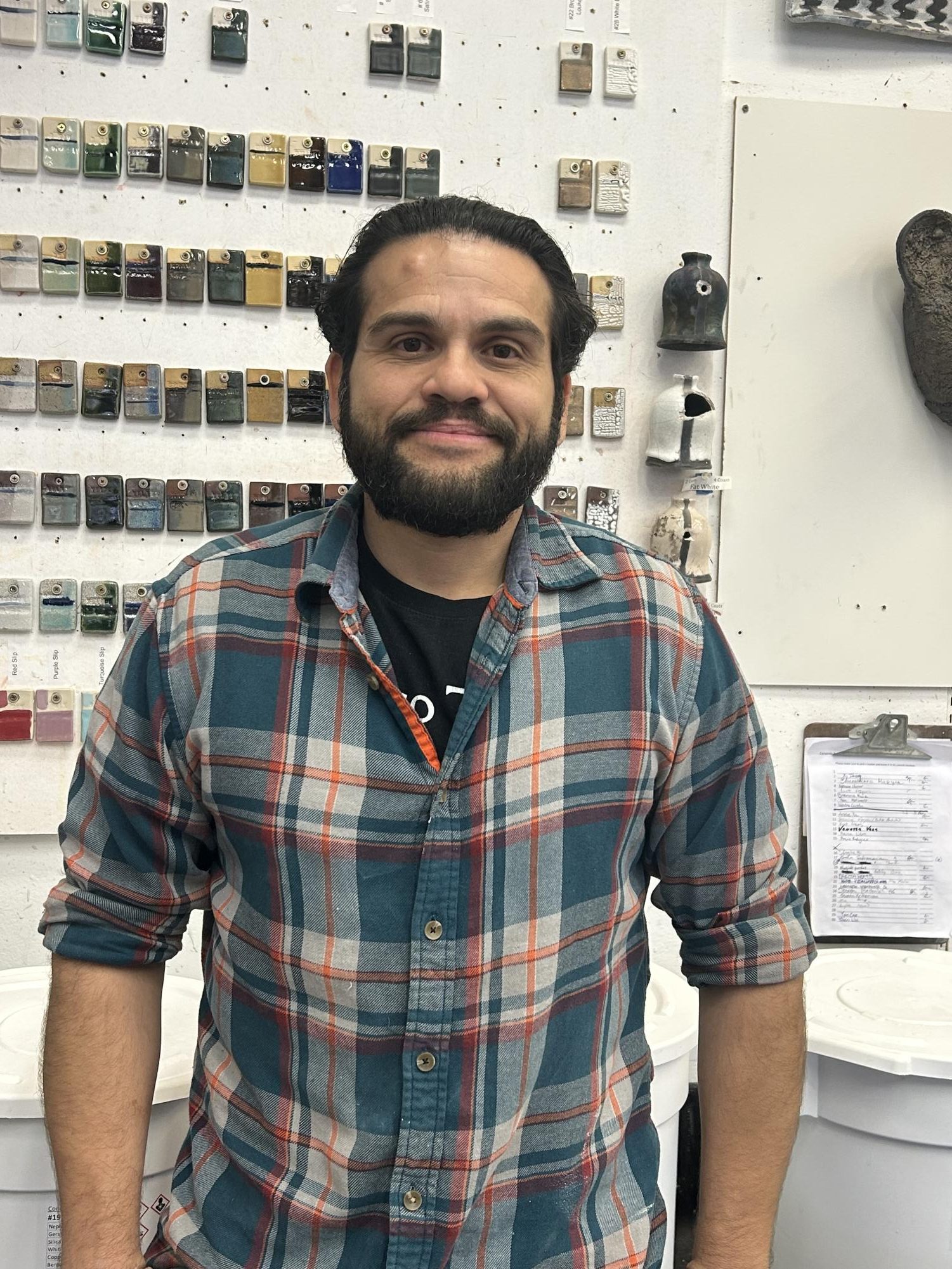
Gustavo Martinez, a ceramics professor, said he believes the opioid crisis requires a deeper understanding of the underlying issues.
“It goes back to not why they are using, but why they are hurt,” Martinez said. “What is their pain, and why are they turning to this drug?”
Martinez pointed to steps De Anza could take to raise awareness about resources for students.
“(De Anza can) have people who are trained in situations where Narcan (naloxone) is needed… and have posters around campus to help students know that they have resources provided by the school that they can use and that many pay for,” Martinez said. “We probably already do.”
Local and national organizations that specialize in addiction prevention and recovery, like Silicon Valley Recovery, Drug & Alcohol Centers, and Addiction Treatment are available for students and anyone struggling with substance use disorders.
Amid the ongoing challenges related to addiction and substance use, universities and colleges are increasingly exploring harm-reduction strategies as a way to protect students and foster a culture of care and responsibility.