De Anza takes pride in the quality of its nursing program. Students exiting the program were employed in their field at a 100% rate according to the department’s web page, and 85% met or exceeded the regional living wage. This earned De Anza a Strong Workforce Gold Star on behalf of the state chancellor’s office.
There are intricacies to the passion, motivation and expectations for students to accomplish these achievements.
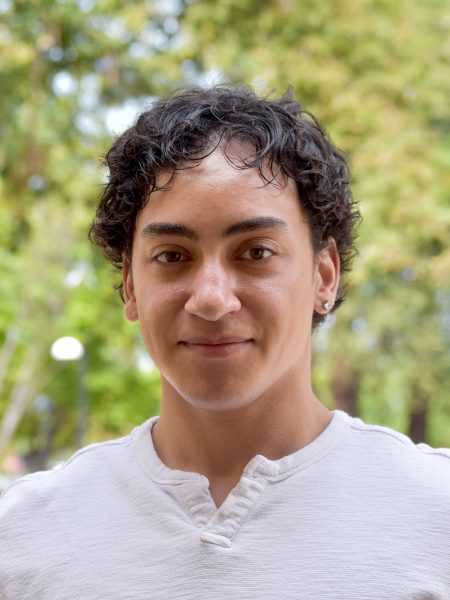
Junior Carrillo, 20, pre-nursing student, said he aims to be an ER nurse. Carrillo said changing the approach to science classes can make the workload easier.

“These classes are still difficult but easier than I expected, taking those bio and chemistry classes just day by day,” Carrillo said. “It makes it easier without thinking about the bigger picture.”
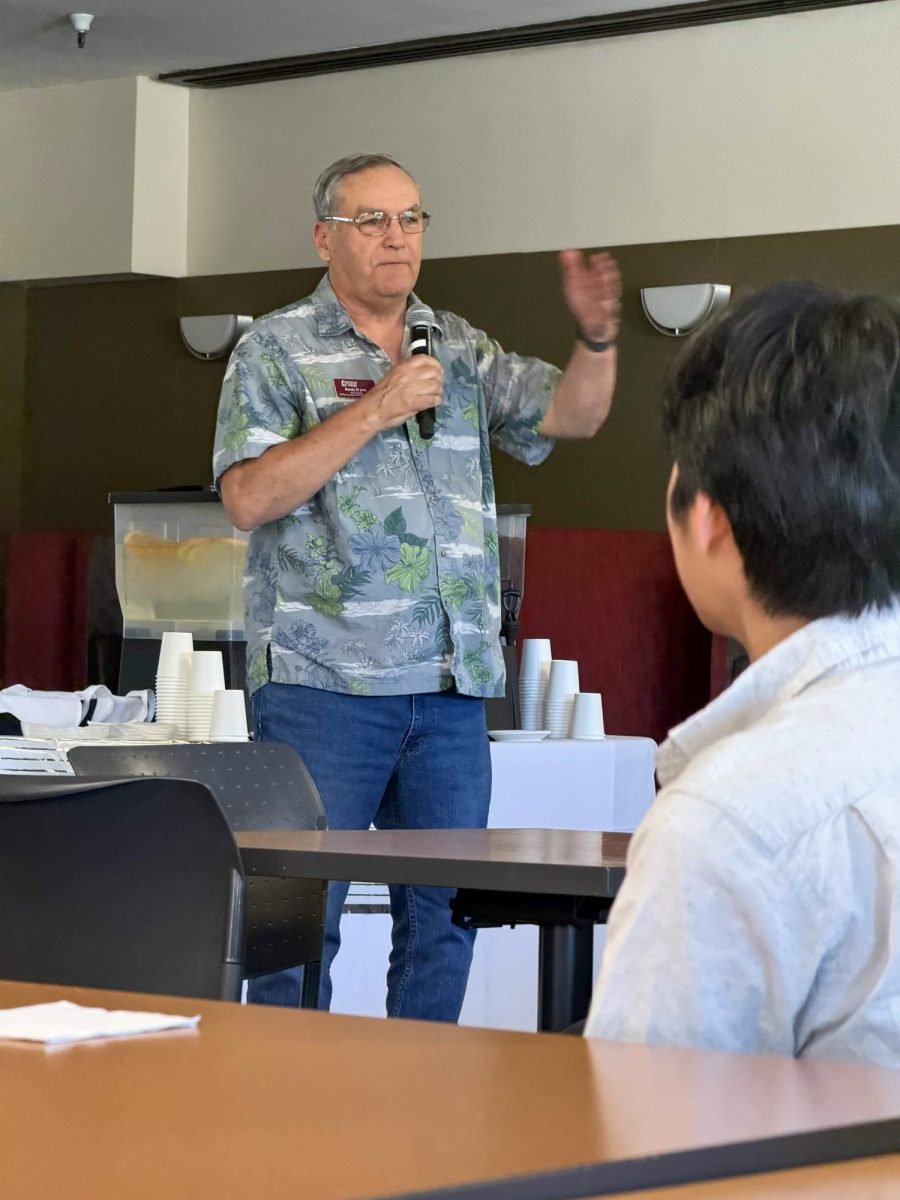
Christian Tiongson, 19, is also a pre-nursing student and has various nursing home volunteering experiences from his home life in the Philippines.
“The theoretical part, we are prepared for it; I was not prepared to be in a hospital setting,” Tiongson said. “When you’re in a nursing care home, you do take them to a bath and change their briefs.”
Carrillo was previously a certified nursing assistant in a nursing home. He also said academics don’t always equip practitioners for real workplace situations. Emergencies differed from what he anticipated.
“You think that you would be ready to do anything during an emergency situation, but once you’re actually in it, you kind of stop for a second,” Carrillo said.
Pre-nursing student Hannah Gemmett, 23, also has experience in the medical field, but it differs from the other two. She was diagnosed with median arcuate ligament syndrome.
“I spent the last four or five years in and out of hospitals,” Gemmett said.
Her studies in nursing were delayed due to her condition, but she is now in her second quarter at De Anza and currently a craniosacral therapist in her small business.
She was often wrongly treated as a mental health patient during her diagnosis process, which she said greatly influenced how she approached patients.
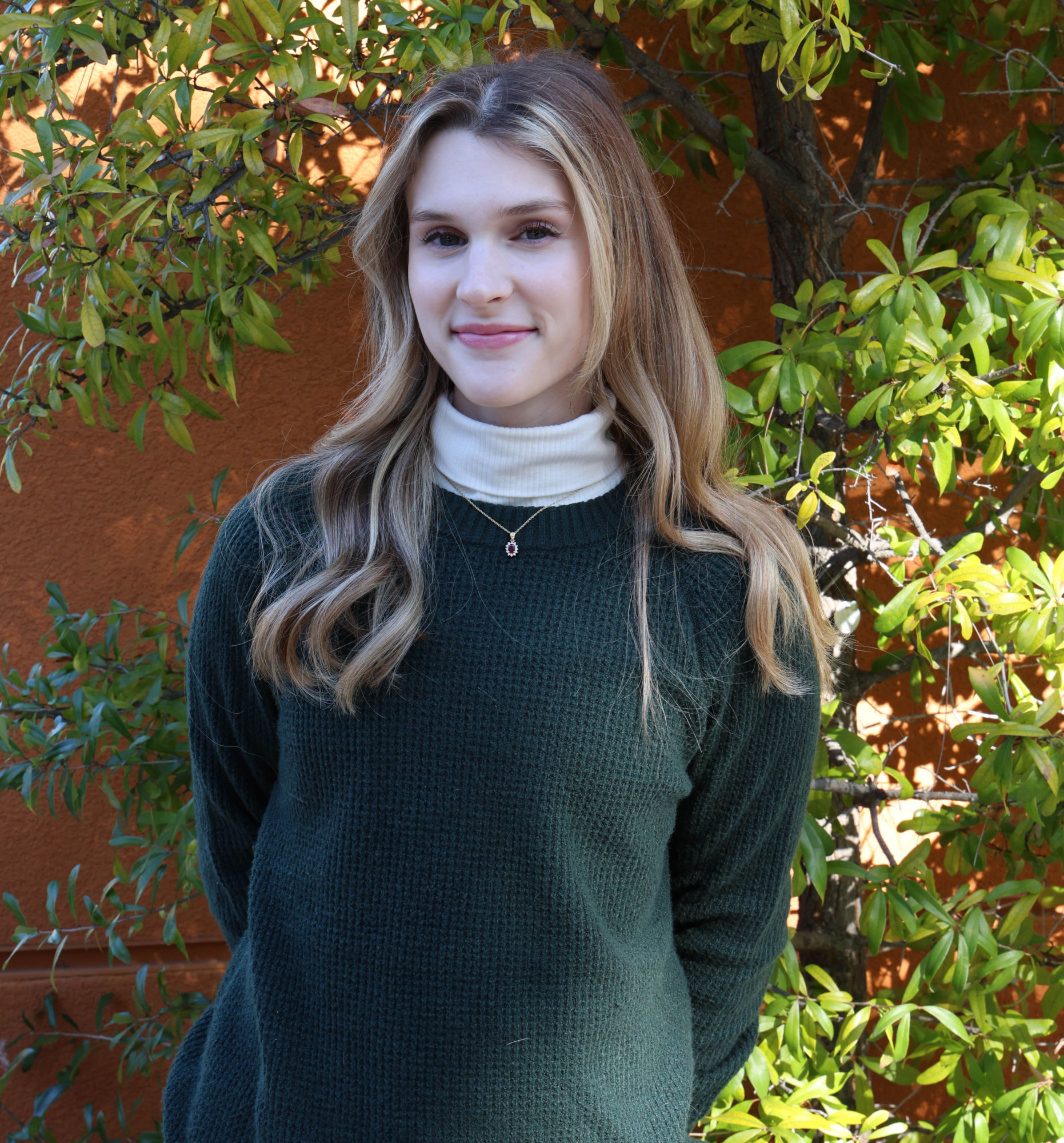
“I’m (going to) take the time to listen to the patient and what they’re talking about, because usually, they’re right,” Gemmett said.
Tiongson said he uses his academic studies to fuel his sympathy when approaching patients.
“We do study a lot about what they’re experiencing, if a patient has some kind of physical or mental pain, you will be able to sympathize with them.”
Carrillo said he was surprised by the atmosphere of his previous nursing home workplace. He anticipated the nursing home to feel more “lighthearted.”
“Everyone’s always going through something so having most patients being in a bad mood, it kind of was unexpected for me at least,” Carrillo said.
However, he said he was not emotionally affected by his patients because he learned that having a tough skin is necessary to get through nursing, “Separating how you feel and what your job you’re doing is important.”
Gemmett said the same, but she cannot always go unaffected.
“I have to separate work and life, but it affects me working on emotional stuff sometimes, like for someone who unfortunately lost some family members in the war in Ukraine,” Gemmett said.
Gemmett was ultimately inspired to pursue nursing by being able to spread awareness for sickness. “Because of all the experiences I’ve had in the past with my health, having a drive to help people in my same situation,” Gemmett said.
Carrillo finds motivation from learning and socializing.
“The more learning I did, the more interested I got, and it sparked up my passion and made me like it more,” Carrillo said. “The thing that makes me happiest is socializing. Meeting new people, learning about them, knowing what they went through. That’s your entire job as a nurse.”
Tiongson was first inspired to be a nurse when he was in elementary school.
“The passion hasn’t gone down, it’s gone up,” Tiongson said.
Motivation for Tiongson comes from being able to see patients recover. “That’s what makes me happy,” Tiongson said.
To Tiongson, nursing is beyond basic medical care. He said making a meaningful impact on the lives of others is part of the commitment to nursing.
“Approach every patient with kindness,” Tiongson said. “Treat every challenge as an opportunity to grow, and always care with courage, dedication and compassion.”