The Foothill-De Anza Community College District now draws most of its funds from local property taxes and enrollment fees.
The California Community Colleges system can transition districts that would receive more funds through property tax than the state would have allocated to a funding model called basic aid.
In prior school years, the district ran on a state apportionment model, which tied funding to its headcount, enrollment, success rates and other similar factors.
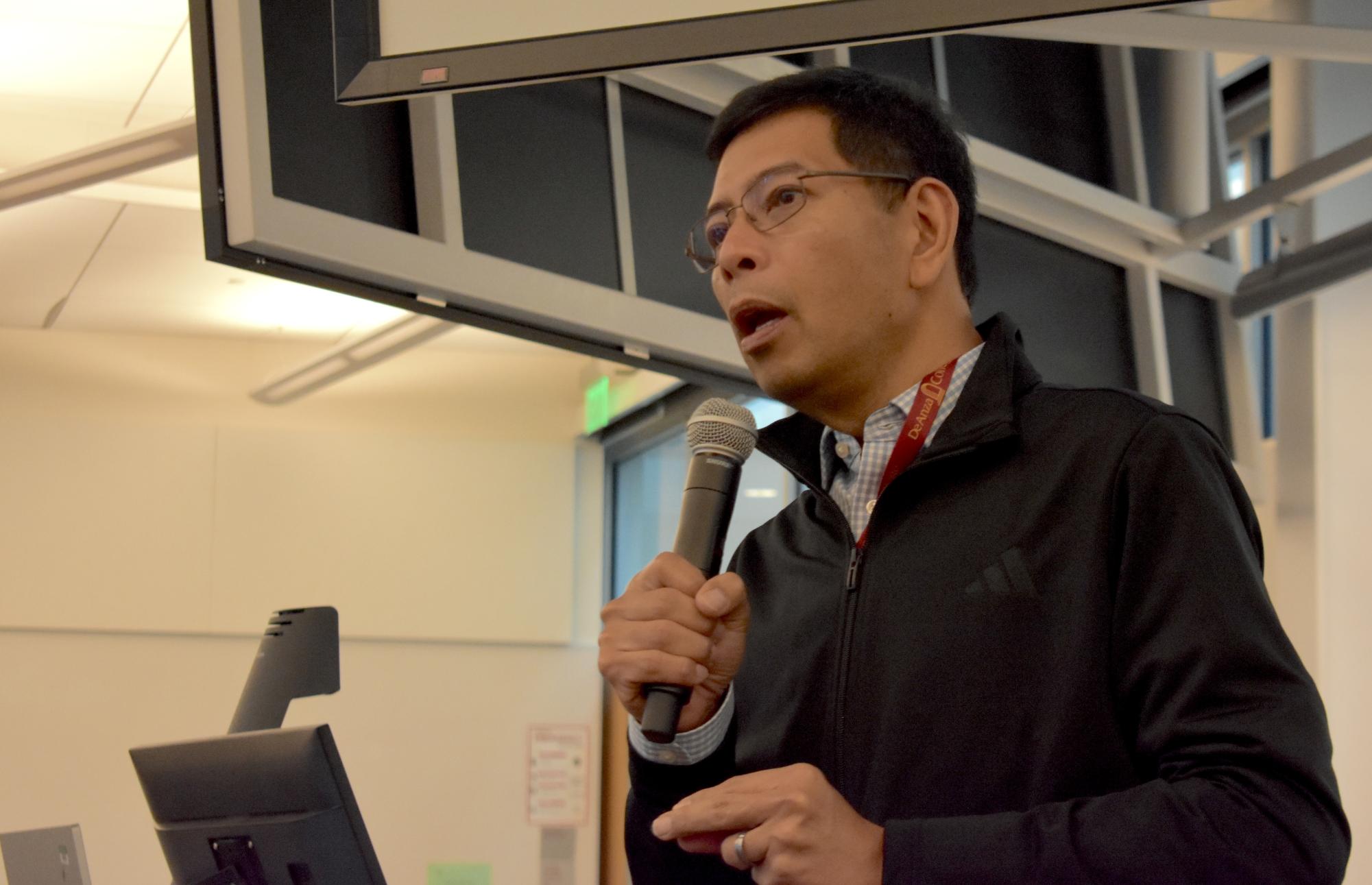
“Our primary sources of revenue are our property taxes and student enrollment fees,” Vice Chancellor of Business Services Christopher Dela Rosa said at an April 14 town hall. “For us, being basic aid is a blessing.”
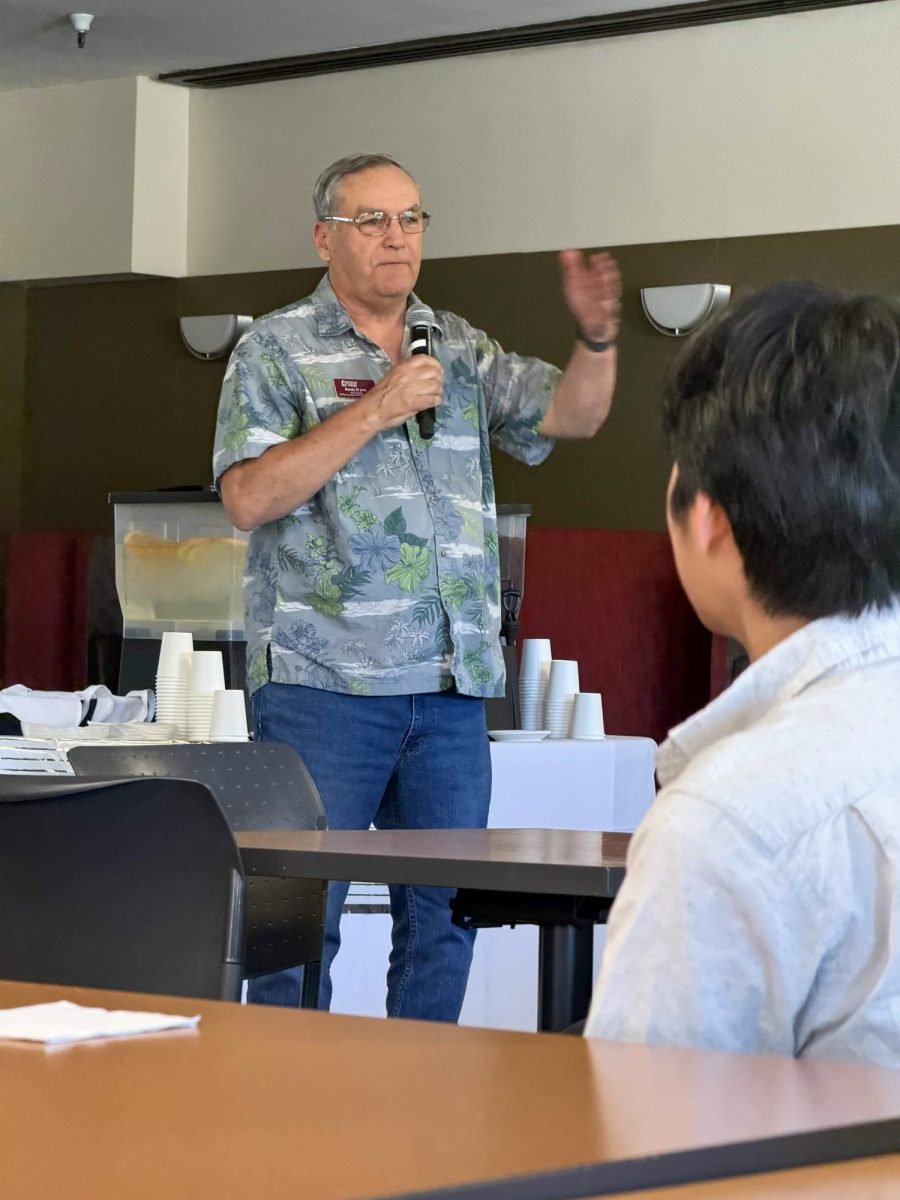
At the April 13 Academic Senate meeting, De Anza College Associate Vice President of Instruction Sam Bliss called basic aid a “closed system” and said the college is “not going to grow.”
“I’m sure you remember those days where we (the college) were chasing enrollment, adding sections,” Bliss said. “You have those sections, we have more money to spend. All that logic is out of the window now.”
Faculty Association president Tim Shively said he disagreed with Bliss and that the district could use its extra funds to offer more programs.
“The amount of tax revenue we’re taking in is not a closed system,” Shively said. “Basic aid districts have (generally) seen their revenue increase year over year.”
Swam Pyae Phyo, 28, biology major described the change as the “beginning of a disaster.”
“We’re entering dangerous territory,” Phyo said. “If you (the district) don’t have to focus on enrollment and receive the same amount of money, the (district) might stop trying to increase enrollment.”
Dela Rosa said while some districts adopted that philosophy, this district will not.
“We have a lot of checks and balances,” Dela Rosa said. “We have internal controls put in place in order for us to make sure we are spending our allocation based on what the board intends.”
Vice President of Instruction Ram Subramaniam said the funding the college gets from the district goes through its Resource Allocation and Program Planning committee.
“That is the body that evaluates all the programs,” Subramaniam said. “It is widely represented by faculty, staff, administrators and students, so everybody has a say in how funds are being allocated for the programs.”
The district joined eight other California Community College districts on basic aid last summer, while the other 64 districts remain on state apportionment.