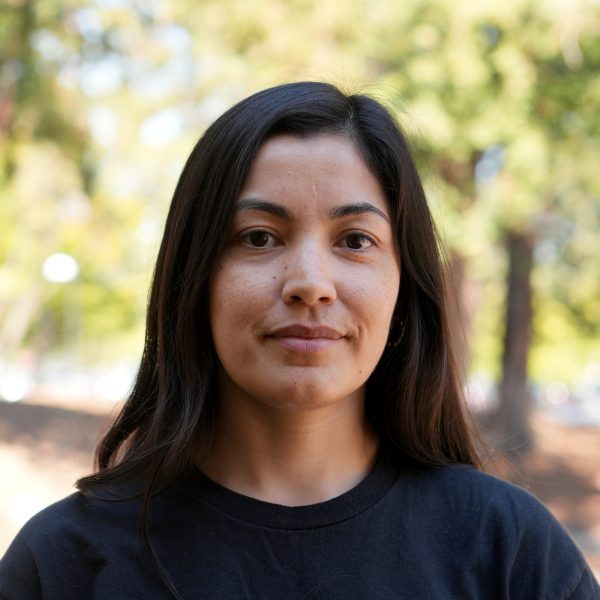
Before becoming a Rising Scholars outreach coordinator and psychology major, Katrina Stewart, 32, found herself unhoused and struggling to find shelter after incarceration. For Stewart, being jailed was often easier than re-entering society.
“It got to the point where being in jail was easier than being on the streets,” Stewart said. “Sometimes I would get picked up on a warrant and I was grateful because it meant warmth, food, and sleep.”
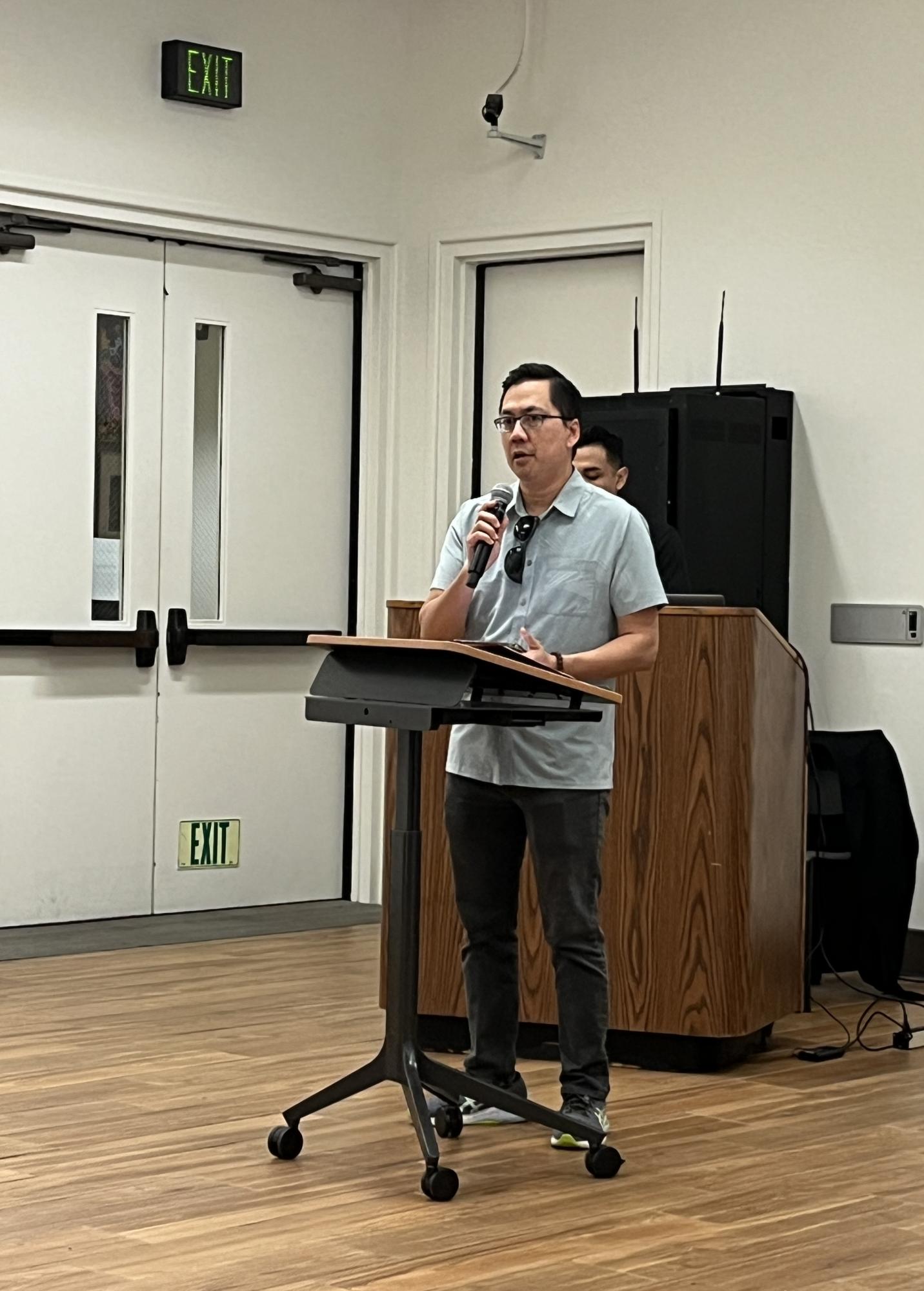
Stewart’s story is common among many De Anza’s students enrolled in the Rising Scholars program, which supports formerly incarcerated students and those affected by the criminal justice system.
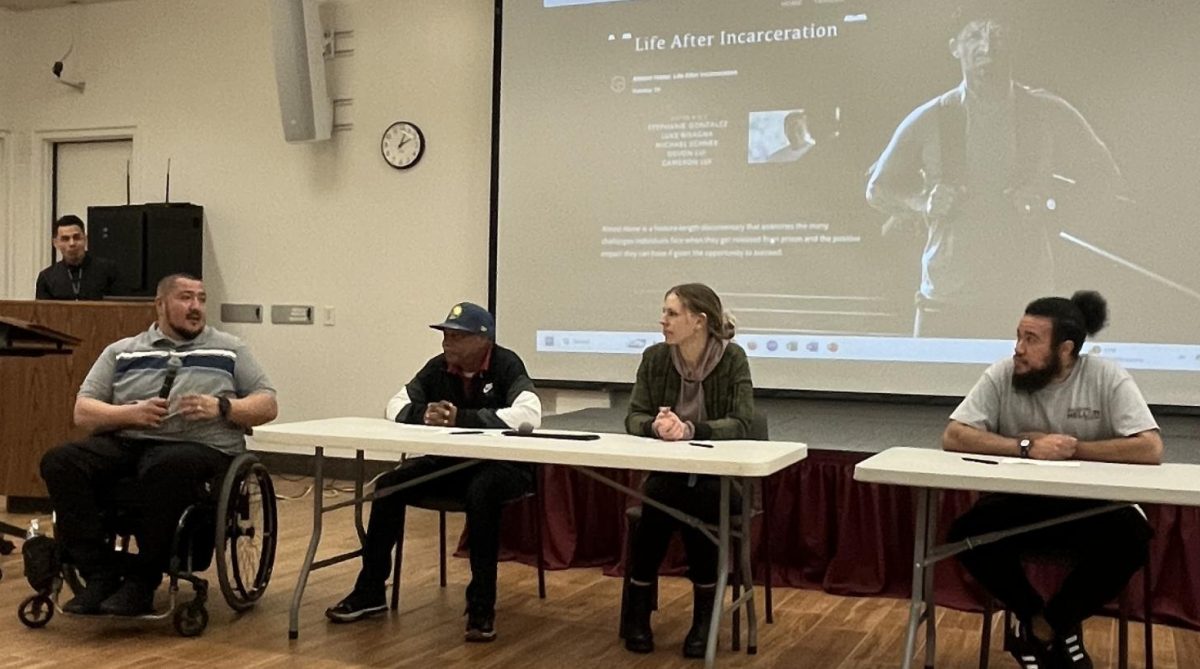
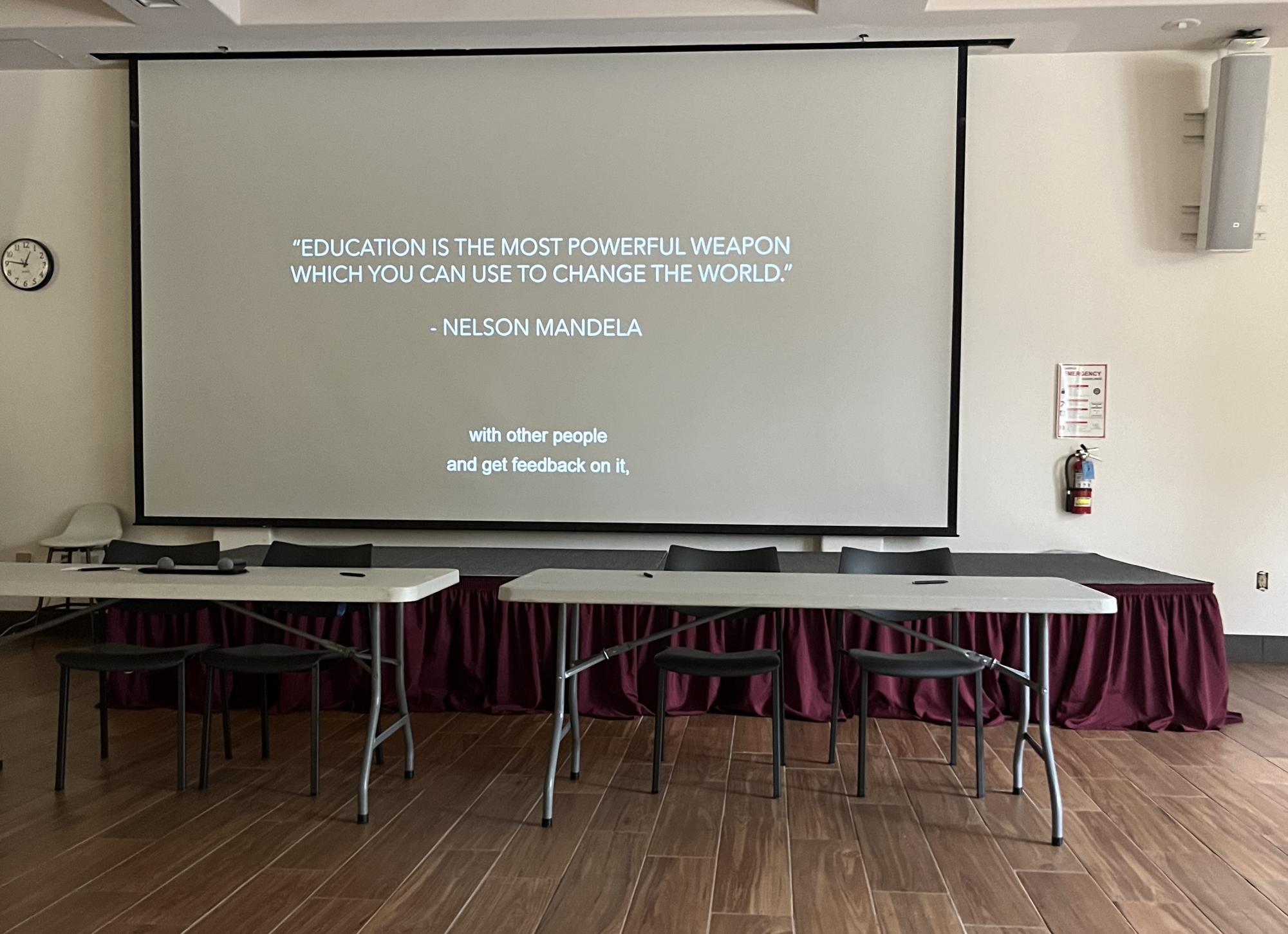
Stewart joined other student panelists Aurelio Cardenas, 36, history and sociology major, Axel Anderson, 37, liberal studies major and Jerome Fosselman, 68, paralegal studies major during a film screening and panel discussion at the Hinson Campus Center on Feb. 27 to share their stories.
The film “Almost Home: Life After Incarceration” follows the journey of formerly incarcerated students and the challenges they encounter upon release. It examines those challenges and is a testament to the transformational impact that educational programs like Rising Scholars have when students are given the opportunity to succeed.
The Rising Scholars program has proven to be transformational.
Stewart said she credits the Rising Scholars for being able to find and land a paid summer internship at Stanford University that involved doing research on alternatives to school policing.
Cardenas said he was selected for a paid summer internship with the Martin Luther King Jr. Research and Education Institute at Stanford to compile and publish a comprehensive volume of the late activist’s papers.
Incarceration affects everyone, Stewart said.
The reality is that often, time in prison continues to isolate people after their sentence is over. A felony alone bars individuals from employment, housing and other opportunities, making it difficult to reintegrate into society and live a stable life.
“You don’t have any support,” Fosselman said. “You can’t get a job because you have a criminal record and you just give up.”
Fosselman said this results in many returning to committing crimes. Fosselman has done 35 years in prison on four terms; on one occasion, he was released and reincarcerated for failure to find housing within the 30-day limit set by state law.
With the Rising Scholars program’s help, Fosselman is pursuing a paralegal studies degree and said he wants to continue challenging himself academically and find a good job.
Fosselman said that many re-entry programs exist today that did not decades ago. Had more of these programs been available during his first prison term, Fosselman said he believes he would not have returned to prison.
Anderson said having access to an education meant more than a second chance.
“I felt like I found my place and my people where I didnt feel lesser than,” Anderson said. “The program helped me acclimate in this new situation where most people were not my age either.”
Anderson said they hope to obtain a master’s degree and work in a non-profit setting.
As effective as these programs have proven to be, funding is key. The program runs on grants; this year, James Nguyen, the program’s faculty coordinator, and other students have visited the Capitol to advocate for the program.
“The governor is proposing $30 million for the program,” Nguyen said. “We are asking for double that so we can continue this work of liberation through education.”
The message from panelists and program staff was clear: reentry educational programs are vital to success.
“Sweeping the issue under the rug doesn’t solve anything and these programs are important,” Stewart said. “We exist, and the only thing that is going to help is providing spaces that empower people.”