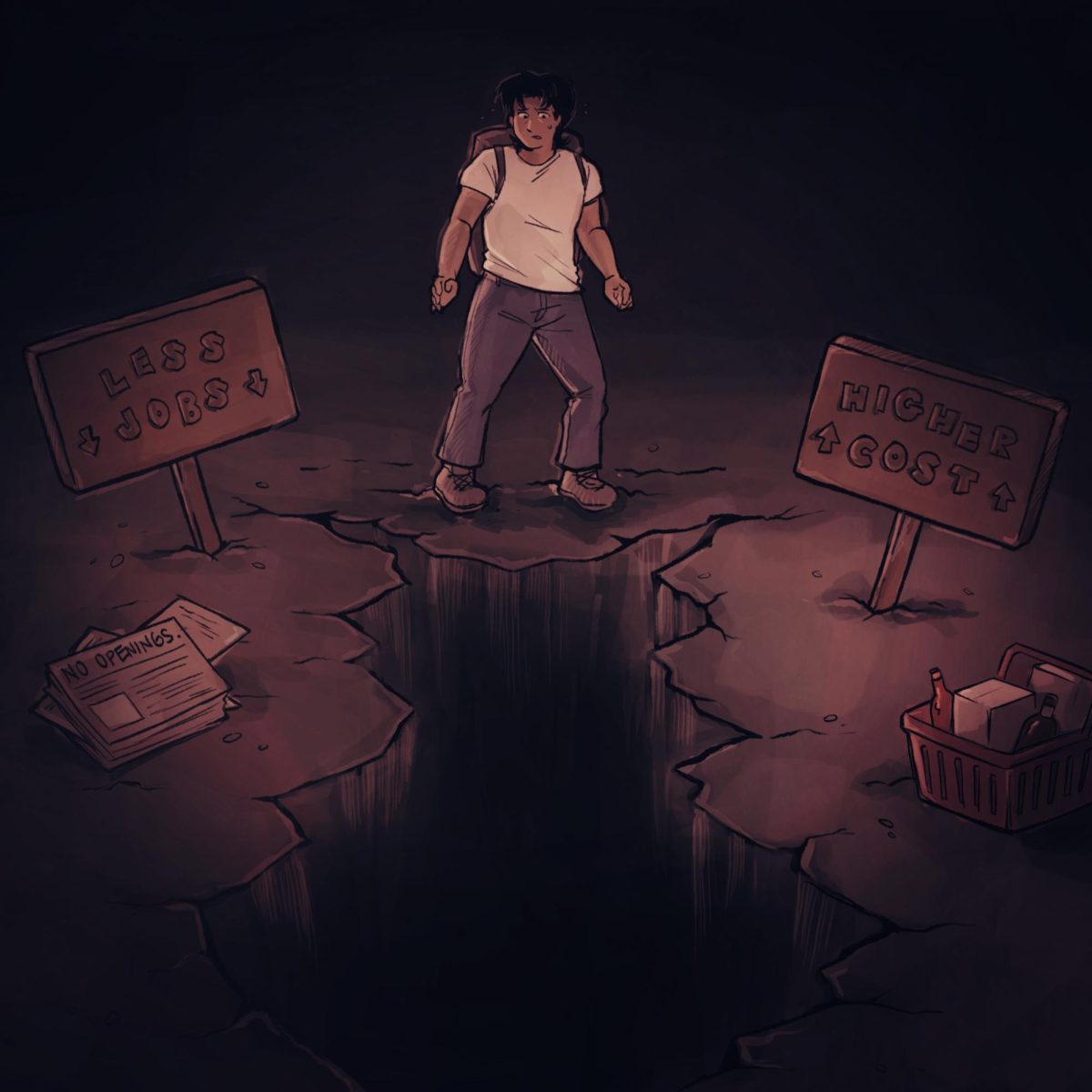

A recent Vasconcellos Institute for Democracy in Action survey found that current events at least “somewhat affected” about 81% of surveyed students’ ability to focus on studies, with about 42% of total respondents being “moderately” to “severely affected.”
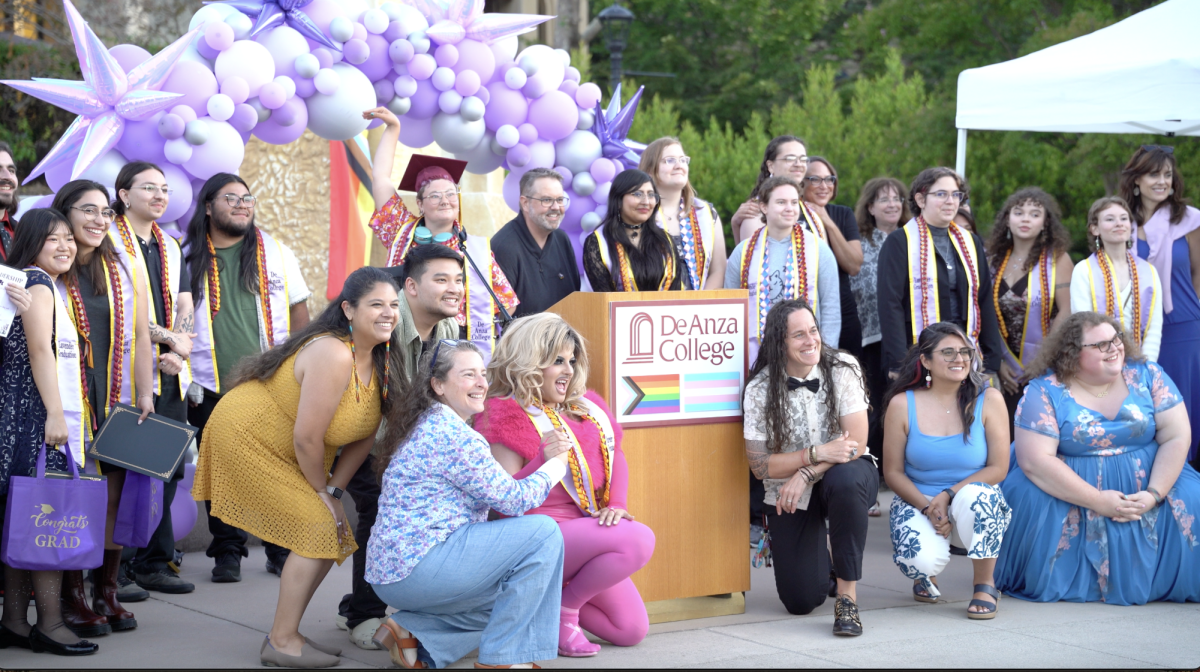
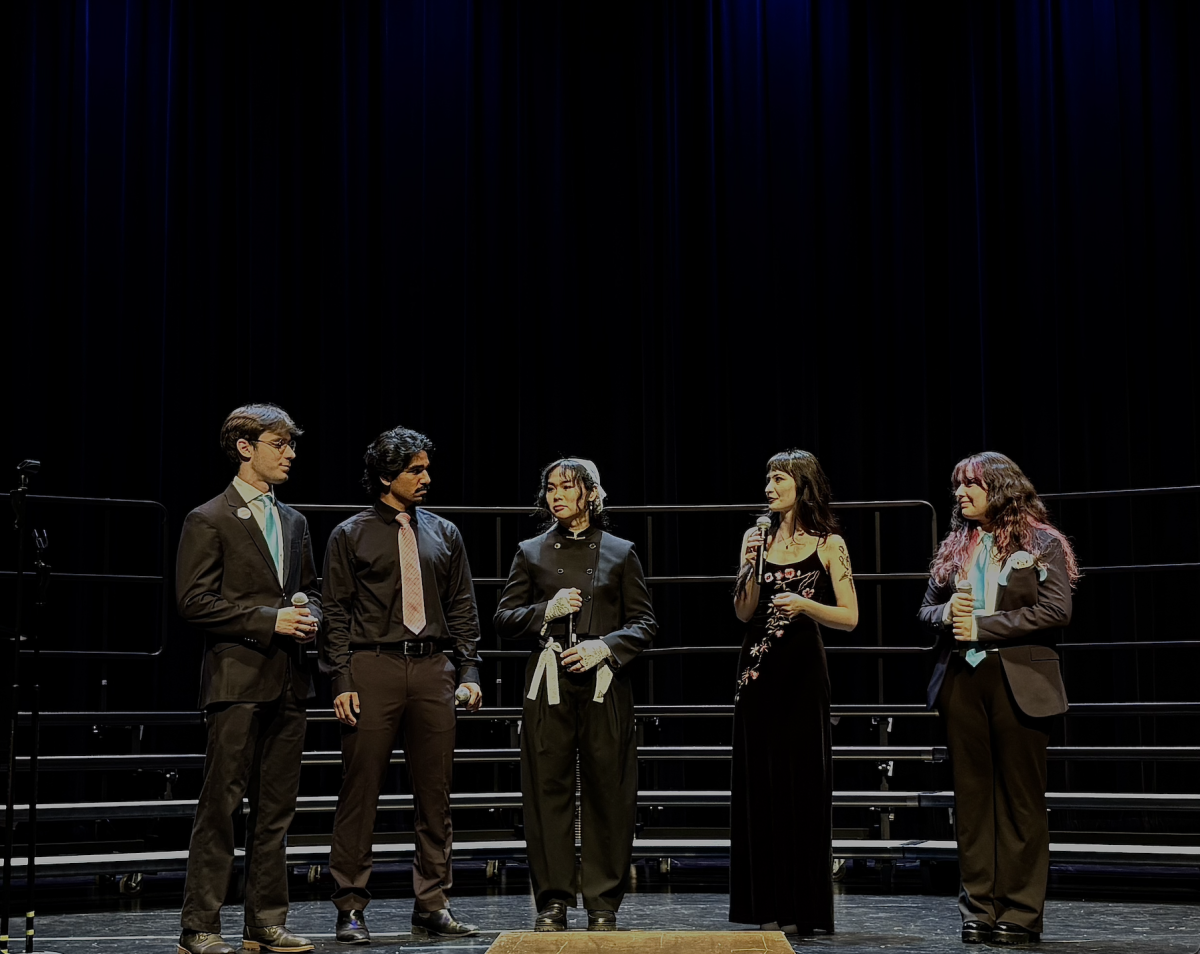
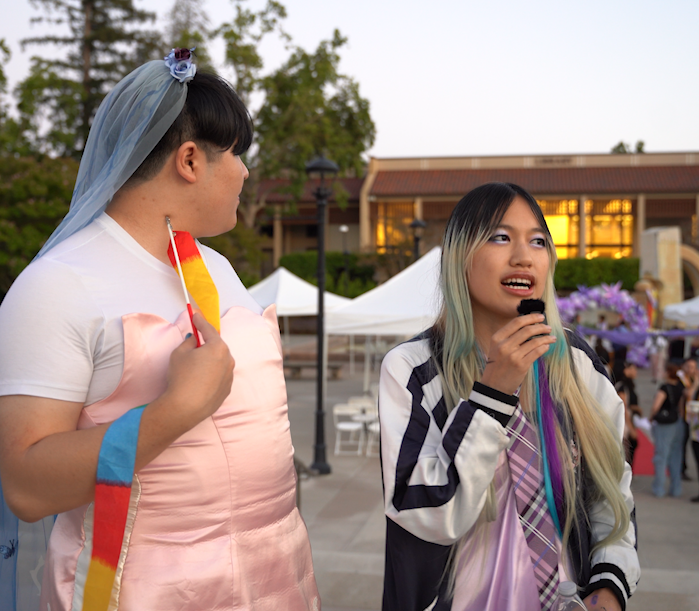
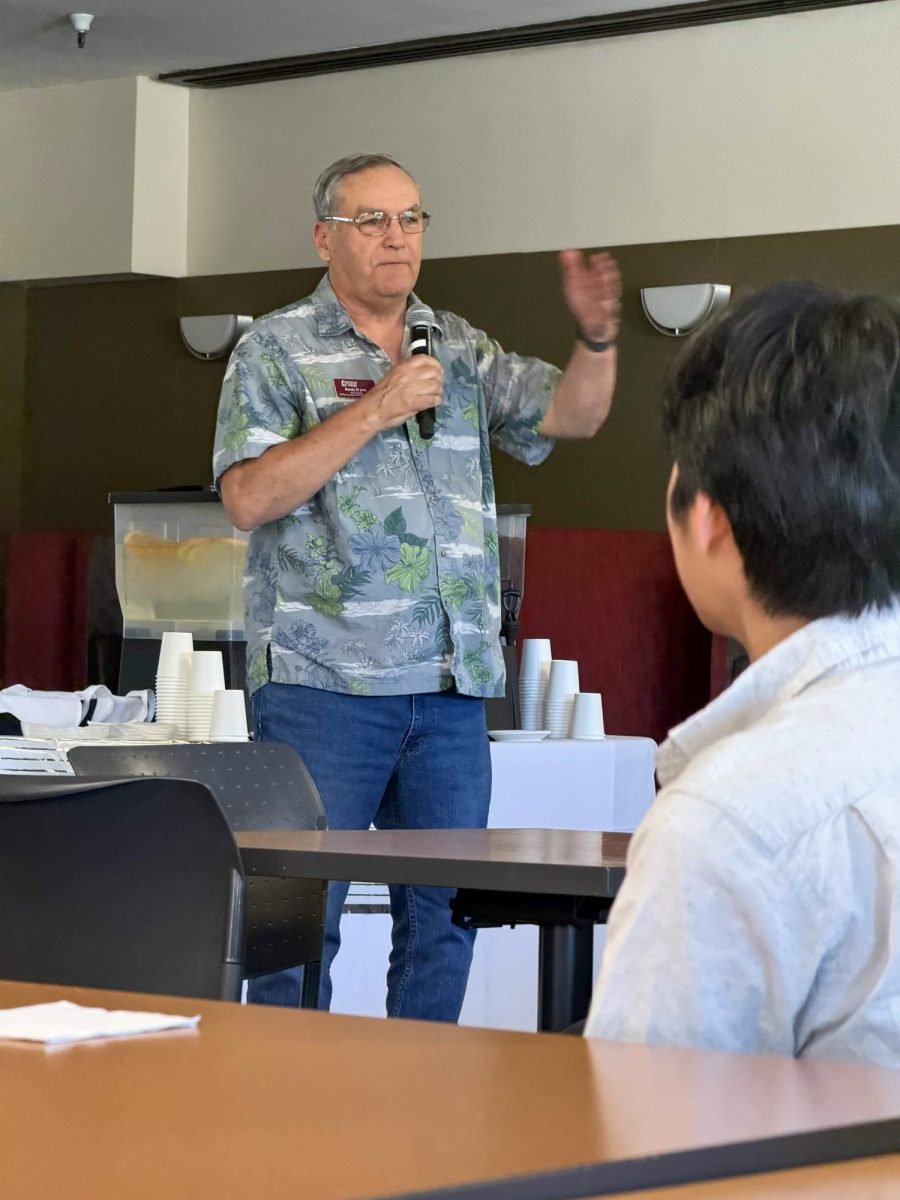
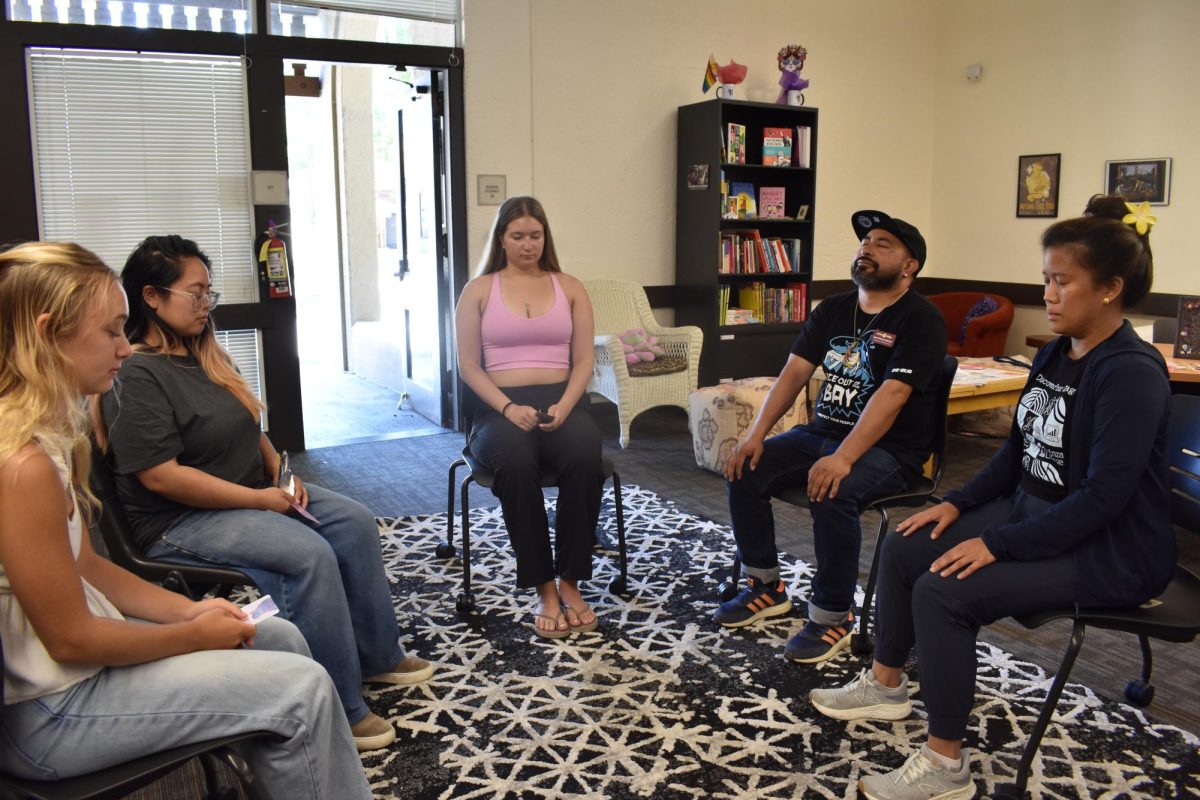
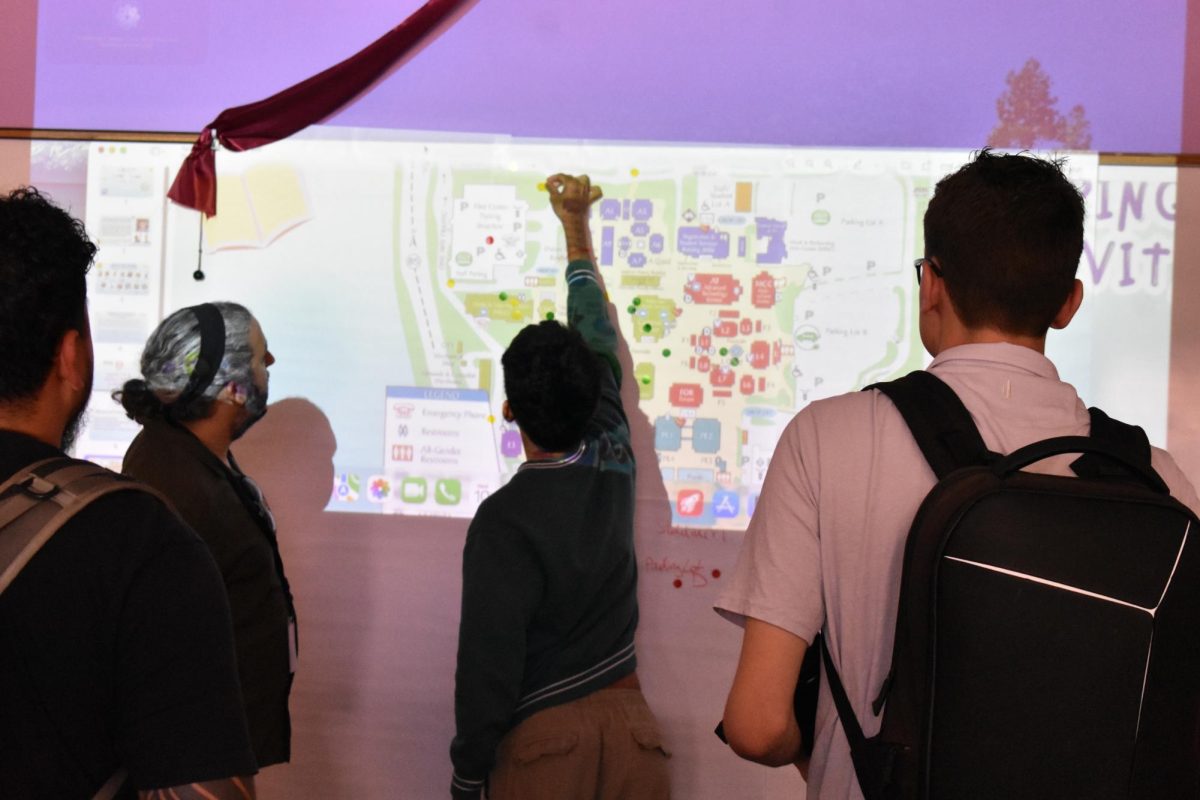
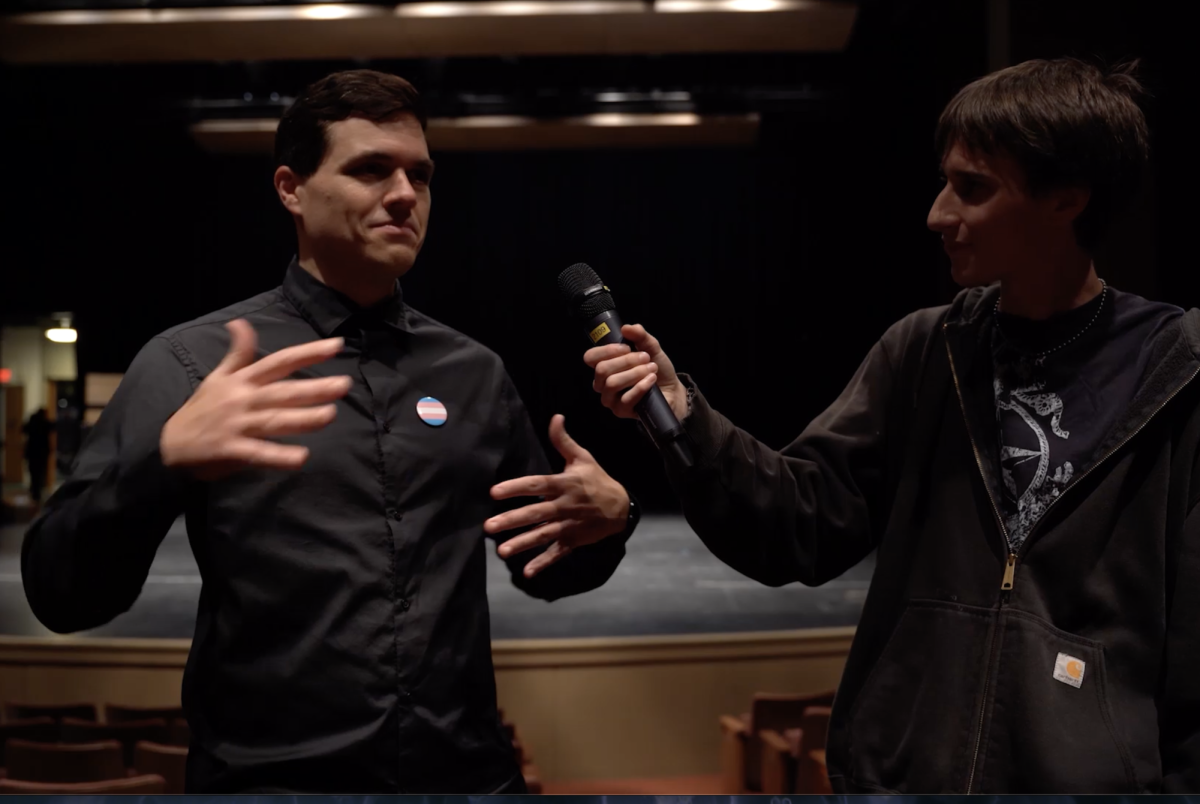
Students from the institute discussed current social and political issues around the world and how De Anza College can address related concerns on Wednesday, March 11.
In the buildup to the event, the institution surveyed 405 De Anza students and staff on their thoughts on America’s involvement in geopolitical affairs and how the college administration addresses global crises.
Last fall quarter, 1,155 students on F-1 visas came to De Anza to study, according to a college “fast facts” report. The same report said only one in five of the college’s 18,257 students are White.
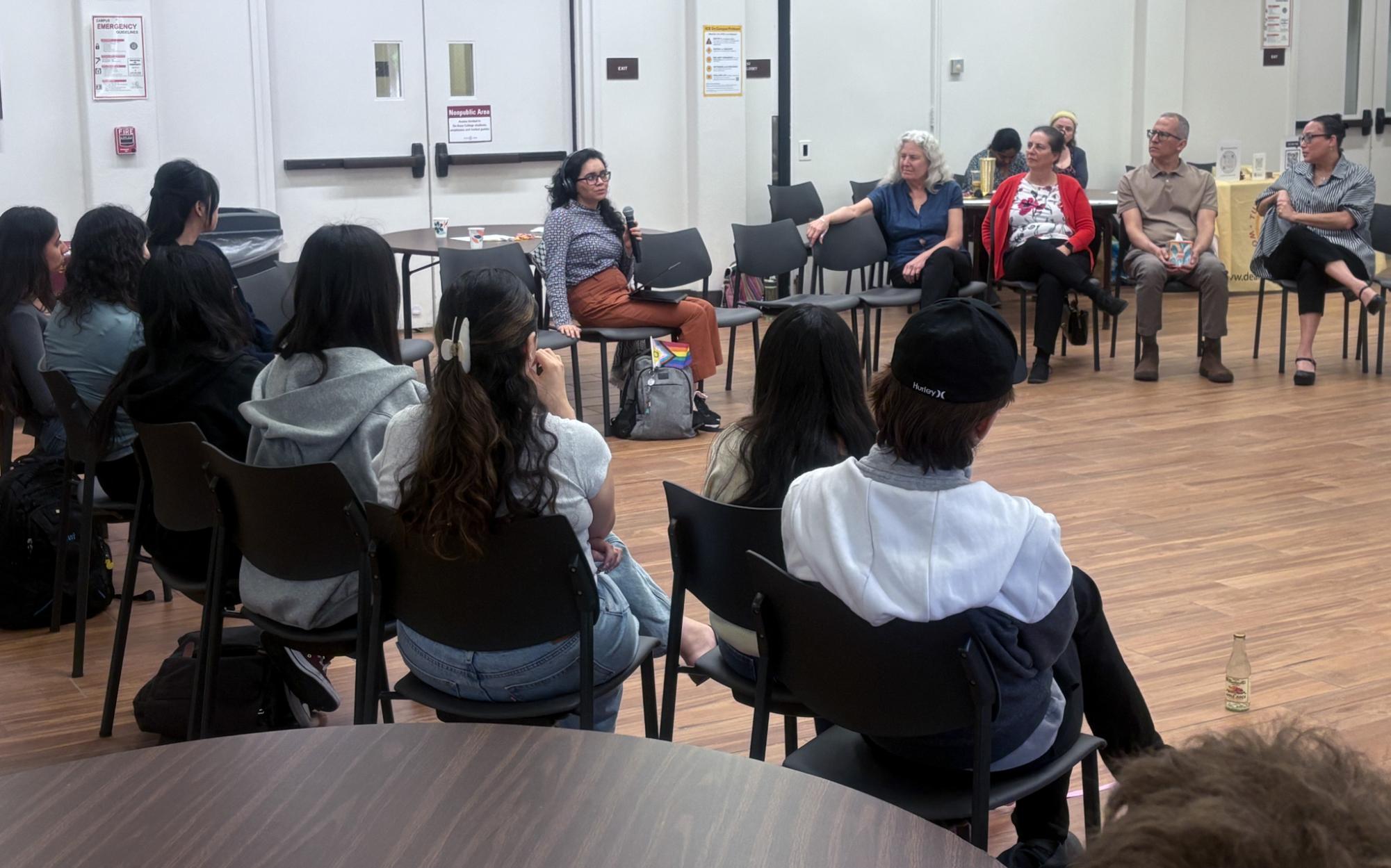
“We share common interests and still have compassion for one another,” geography part-time instructor Sohini Dutt said. “Even if we might not have a sense of what’s going on.”
A plurality of respondents, 29%, said they felt sad about current events, with 22% feeling anxious and 20% saying they were angry.
Only 5.6% of respondents said they felt hope around global crises.
Students responded that crises in Iran, Gaza, Minneapolis and Ukraine affect them the most.
“I wish there was a higher level of organization at De Anza,” Niru Guppa, 19, psychology major said. “Like one spot for resources and information, so our community could engage more effectively.”
Almost three out of five surveyed students said De Anza offers those opportunities and workshops, but one in ten said the college offers “no support.”
“Something students expressed is how much they appreciate the ongoing support,” sociology professor Marx Gomez-Liendo said. “(This) includes faculty checking in, and cases where faculty offers flexibility (with assignments).”
“My girlfriend is in Israel,” Vladislav Kaplonskii, 20, computer science major said. “I am questioning if bringing her to this area is a good idea, because I am worried she might feel more excluded … because of her background.”
Anthropology instructor Lara Ghisleni said students need time away from what polarizes them.
“This poll has also shown a need to protect mental health and to limit social media usage,” Ghisleni said. “Go outside for a walk, breathe fresh air, establish a routine.”
Editor’s note, March 24, 8:45 p.m.: A previous version of the article misinterpreted the survey’s findings and claimed that “half of respondents said they felt sad and anxious.” The survey asked what emotion respondents felt the most; sadness and anxiety were listed separately. This has since been corrected.