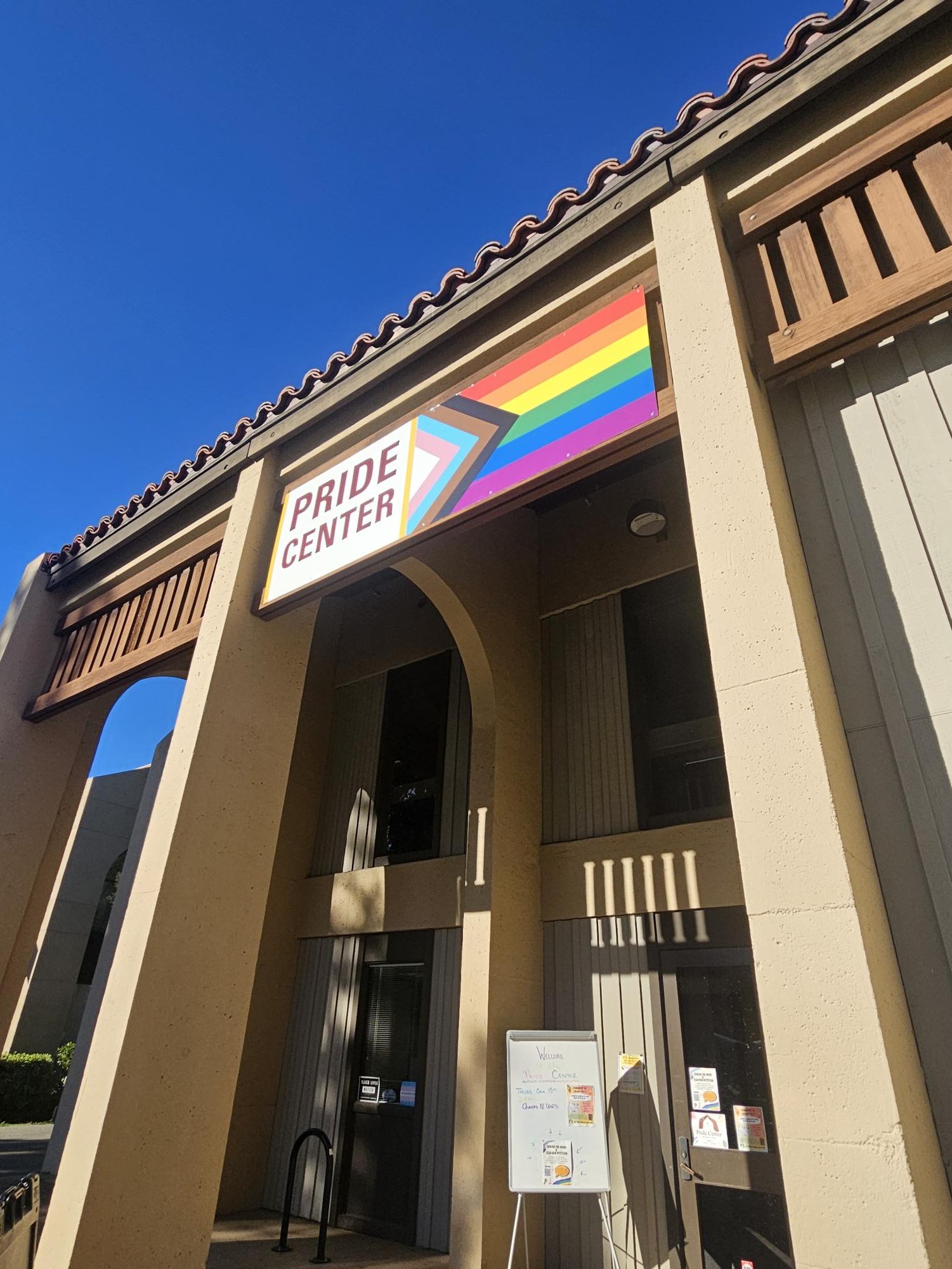
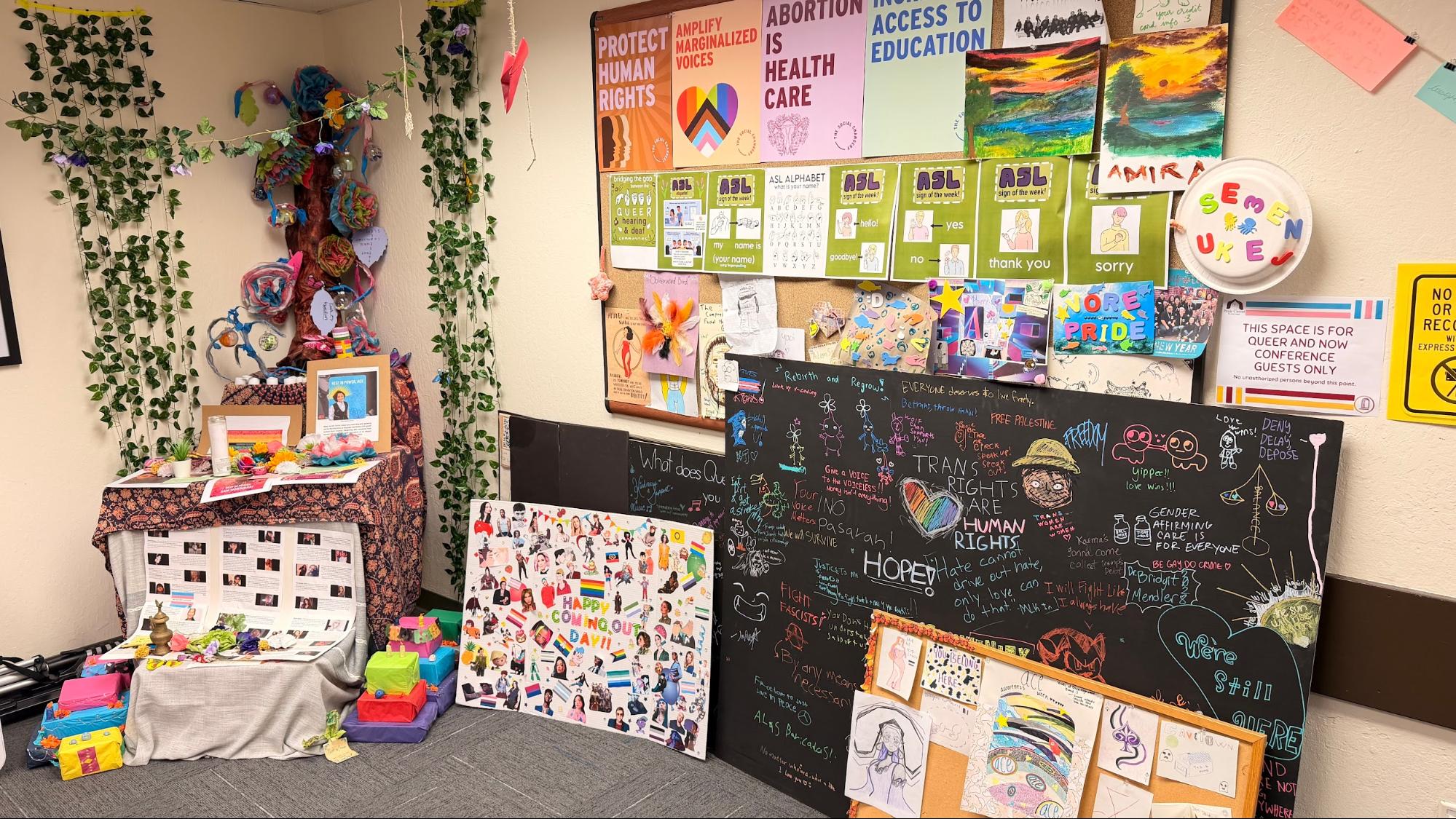
De Anza College President Omar Torres committed to funding Pride Learning Community Counselor Huy Le through the end of 2026, following sustained student advocacy in January.
This came after students and staff mobilized to save Le’s job, set to lose funding by June. College administrators and the Resource Allocation and Program Planning committee will decide the position’s fate when the college enters next year’s budget cycle.
The college established Le’s position in 2022 through a $2.25 million federal grant under the Strengthening Institutions Program, which supported equity-focused learning communities across campus.
“Once that funding ends, the position is at risk unless the college finds a way to sustain it through the general fund,” Le said.
Because the program’s grants are temporary by design, the college did not incorporate the position into the college’s operating budget. As the Foothill-De Anza Community College District transitions from state apportionment to a basic aid model, where it sustains itself on local property taxes, the state does not give it and the college more money as enrollment grows.
“We knew the clock was ticking on the federal dollars,” Pride Center Faculty Coordinator Jamie Pelusi said. “The goal was to demonstrate that this role is an essential service, not an optional one.”
More than one role
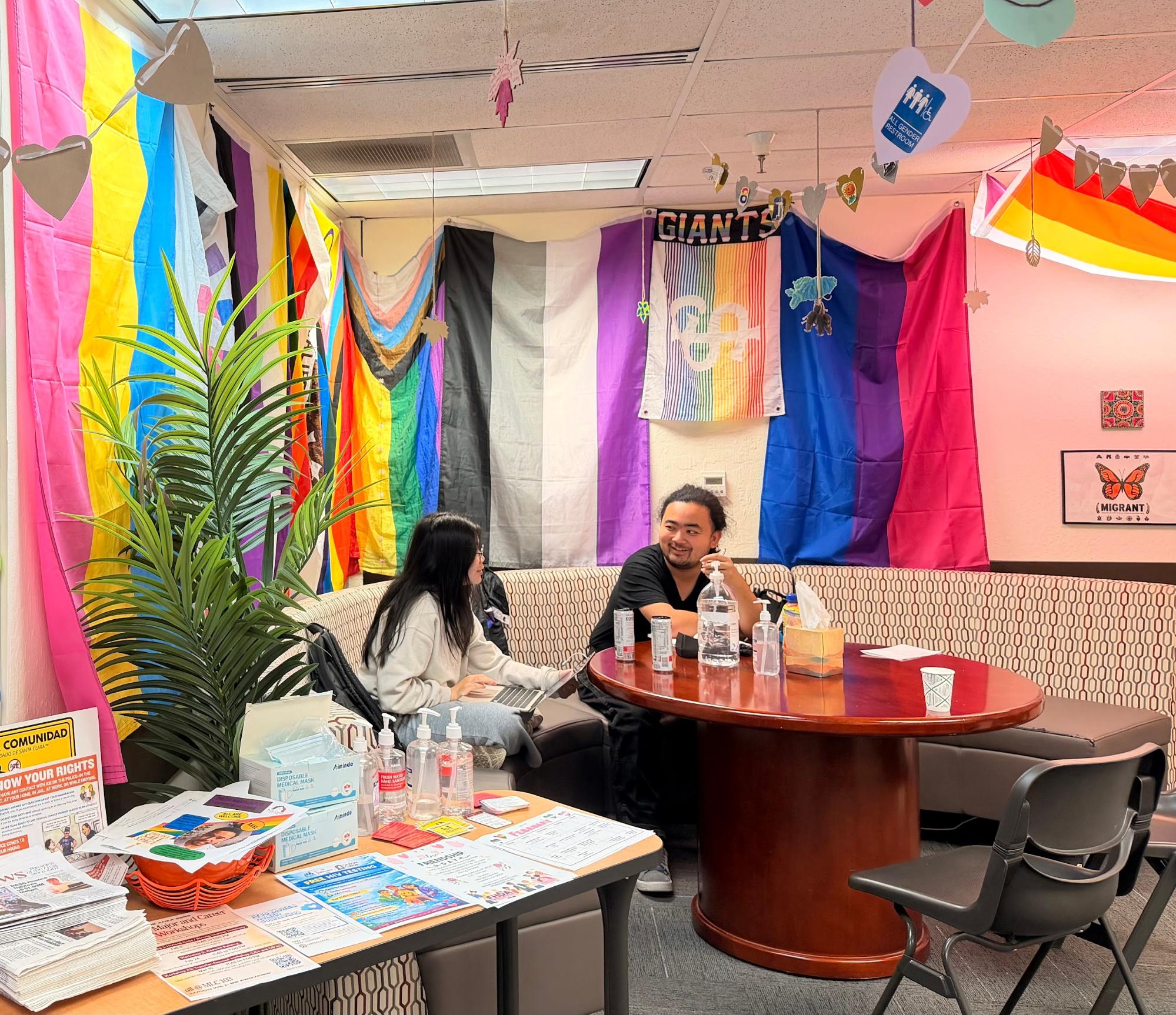
Le serves as both a counselor for the Pride Center, the Pride Learning Community, a cohort-based academic support program for queer students and the Pride Scholars program, which provides scholarship and leadership development opportunities. He also acts as a backup counselor for other learning communities, including Umoja and Puente.
These learning communities provide specialized academic support to marginalized students, ensuring they have a clear pathway to graduation or transfer. Without a dedicated counselor, these students often face long wait times for general advising.
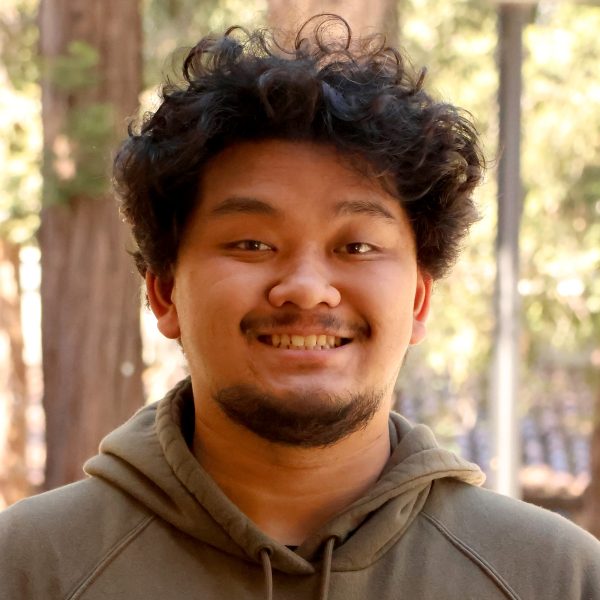
“When students need to see a counselor sooner and their primary counselor isn’t available, that’s where I come in,” Le said. “It’s about more than scheduling. It requires specific training to support students from these communities effectively.”
Le said losing the position would disrupt long-standing relationships built on trust and cultural understanding, which he finds essential for student retention.
“Many students want a counselor who understands their identity and background,” he said. “Losing that relationship would be a significant loss for the students we serve.”
Students mobilize
Last December, Pride Center staff coordinated student advocacy efforts, including a petition, surveys and plans to speak at a district board meeting. Dozens of students submitted their testimonies within hours of the survey’s launch.
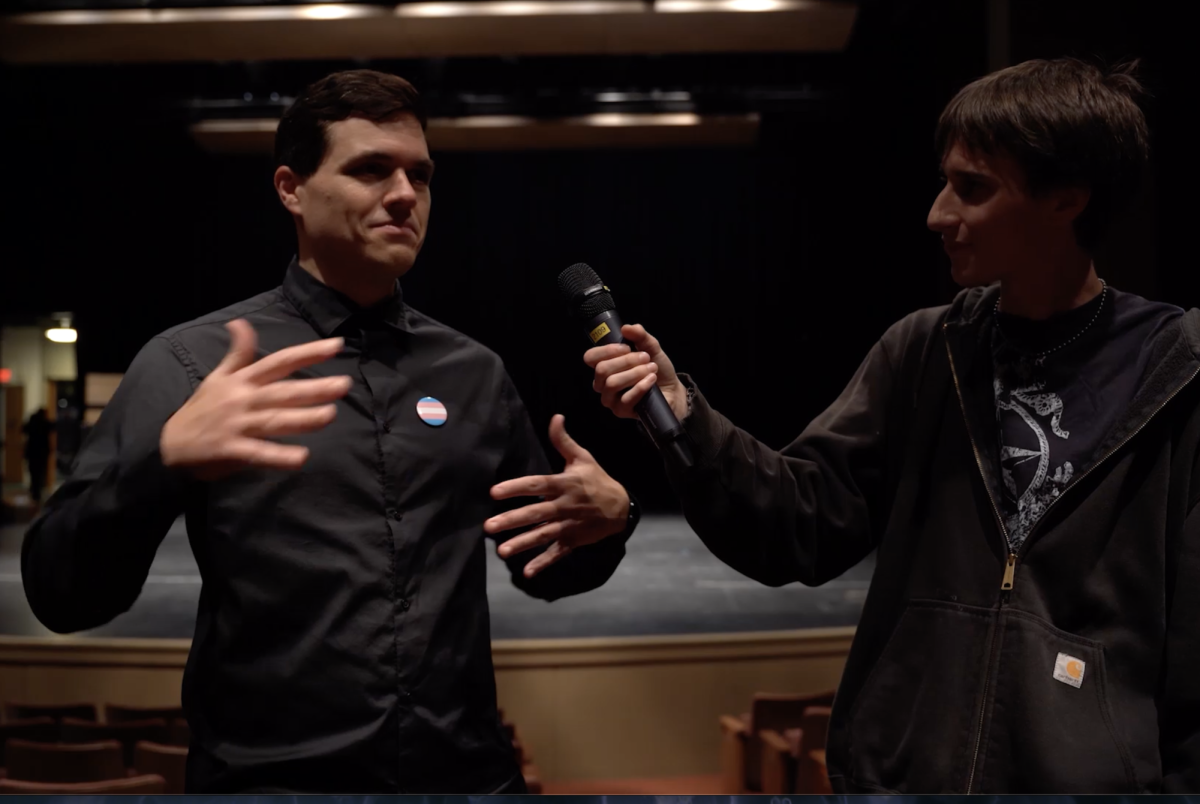
“We’re used to coming together and advocating for what we need,” Pelusi said. “The response showed how central this position is to students’ experience at De Anza.”
For AJ Ordoñez, 18, business administration major, potentially losing the center’s counselor highlighted broader gaps in institutional support.
“College counselors act as mentors and advisors,” Ordoñez said. “Having a counselor specific to queer students helps us navigate higher education and our early careers with guidance from someone who understands these systems and how to move through them.”
Ordoñez said removing the position would strip students of support reflecting their lived experiences.
“It’s important to feel represented, heard and understood,” Ordoñez said. “Not question whether we’re being treated differently because of our queerness.”
How the college made its choice
Funding for faculty and staff moves through several governance bodies, including the Academic Senate, Resource Allocation and Program Planning committee and College Council, making its way to Torres.
“There’s never just one person making these decisions,” Pelusi said. “There are always more needs than available funding.”
Vice President of Instruction Ram Subramaniam said the committee talked about shifting funds around to make room in the general fund for Le’s job.
“We (the committee) took a major step to recommend transitioning the Pride counselor into a full-time position,” Subramaniam said. “That recommendation was forwarded to College Council and the president.”
Subramaniam said student advocacy influenced the committee’s Jan. 27 meeting and its outcome, with 18 of its 25 members backing the recommendation.
“The petition and conversations with students and Pride Center leadership played an important role,” he said. “The president committed to funding the position for one more year while we explore ways to potentially make it permanent.”
Uncertainty ahead
The one-year extension brought relief to many students and staff, though questions remain about long-term stability and whether the college will prioritize equity in future budgets.
“I was honestly surprised,” Ordoñez said. “With how things have been going, this felt like a win, even if it’s a short-term one.”
Pelusi said they continue documenting the counselor’s impact on student retention and academic outcomes to support future funding discussions.
“At the very least, we need to preserve the resources we already have,” Pelusi said. “That allows us to serve students sustainably instead of constantly operating in crisis mode.”
The center expects a final decision on whether the college will integrate Le’s position into its college’s permanent budget by the end of the spring quarter. Until then, students say they plan to remain engaged in the administrative process.
“Know your constituents,” Ordoñez said. “Allow us to be heard in the rooms where decisions are made. Understand what it’s like to be a community college student in 2026 in the Bay Area and why our needs matter.”