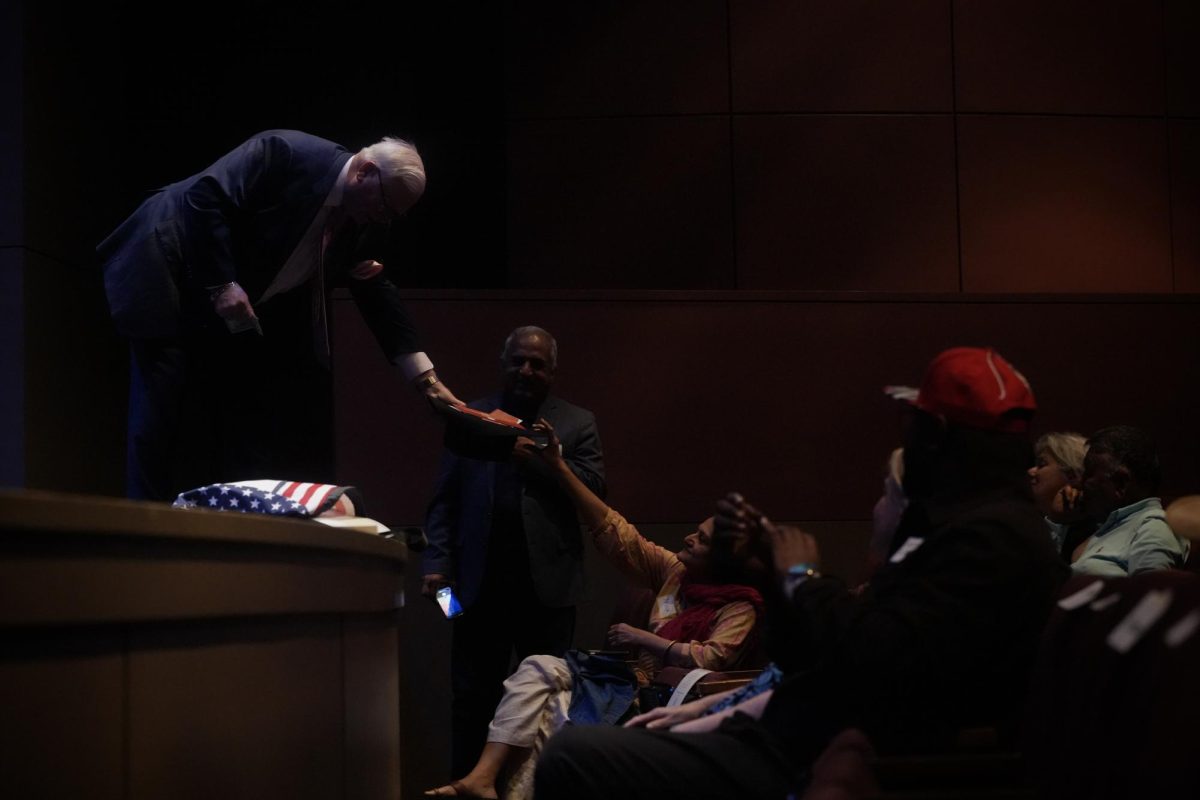

The Study Abroad Benefit Concert celebrated students and raised funds for the De Anza College Study Abroad program on May 7 at the Visual and Performing Arts Center.
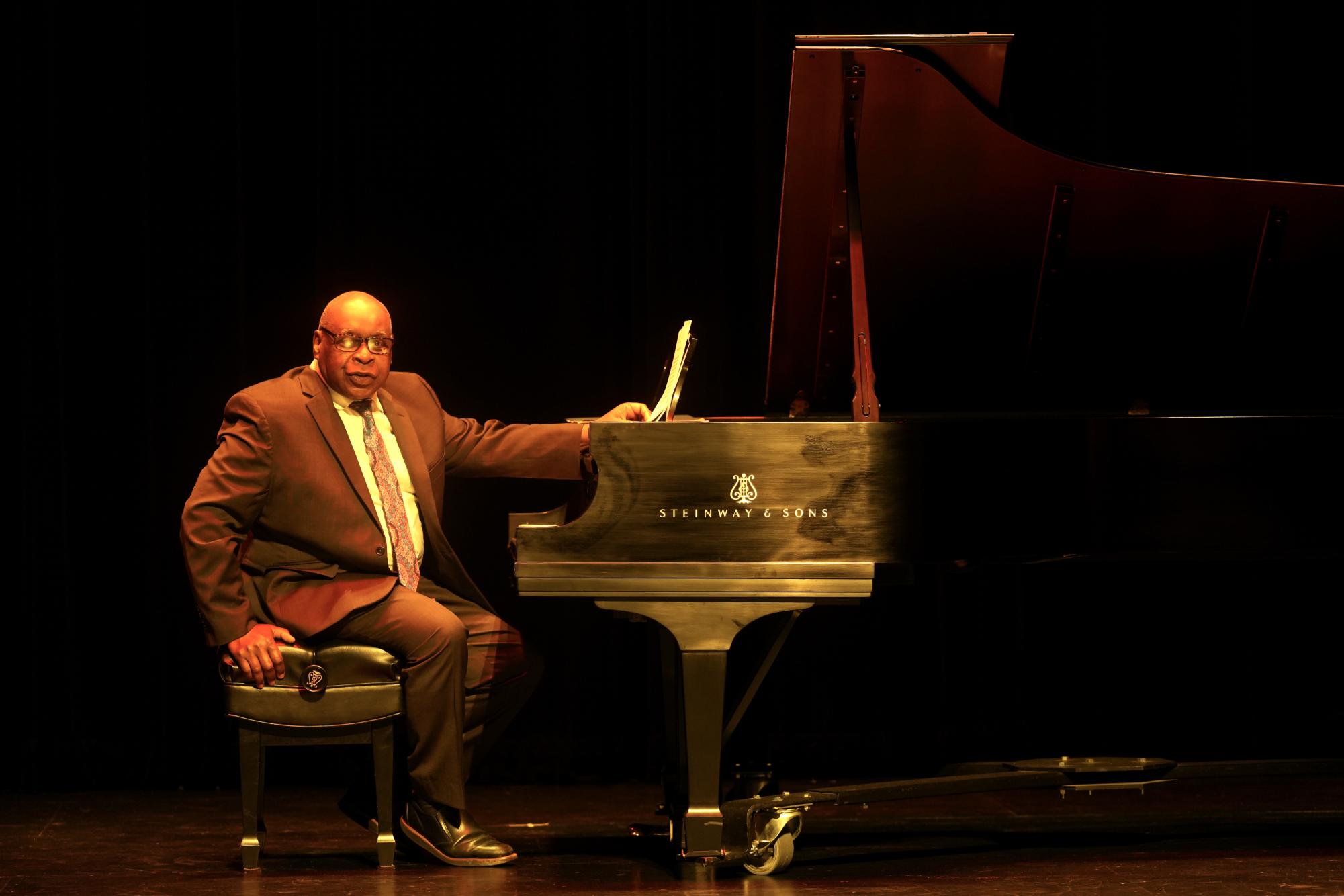
“It’s a wonderful idea to send these students off with a program like this,” pianist Carl Blake said. “Acknowledge their participation in the program and the people who make it possible.”
Donors give the De Anza Study Abroad program around $30,000 per year to fund student scholarships, Global Education Partnership Director John Swensson said.
“We have 40 (students) going to Barcelona,” Swensson said. “Many of them could never go without scholarships.”
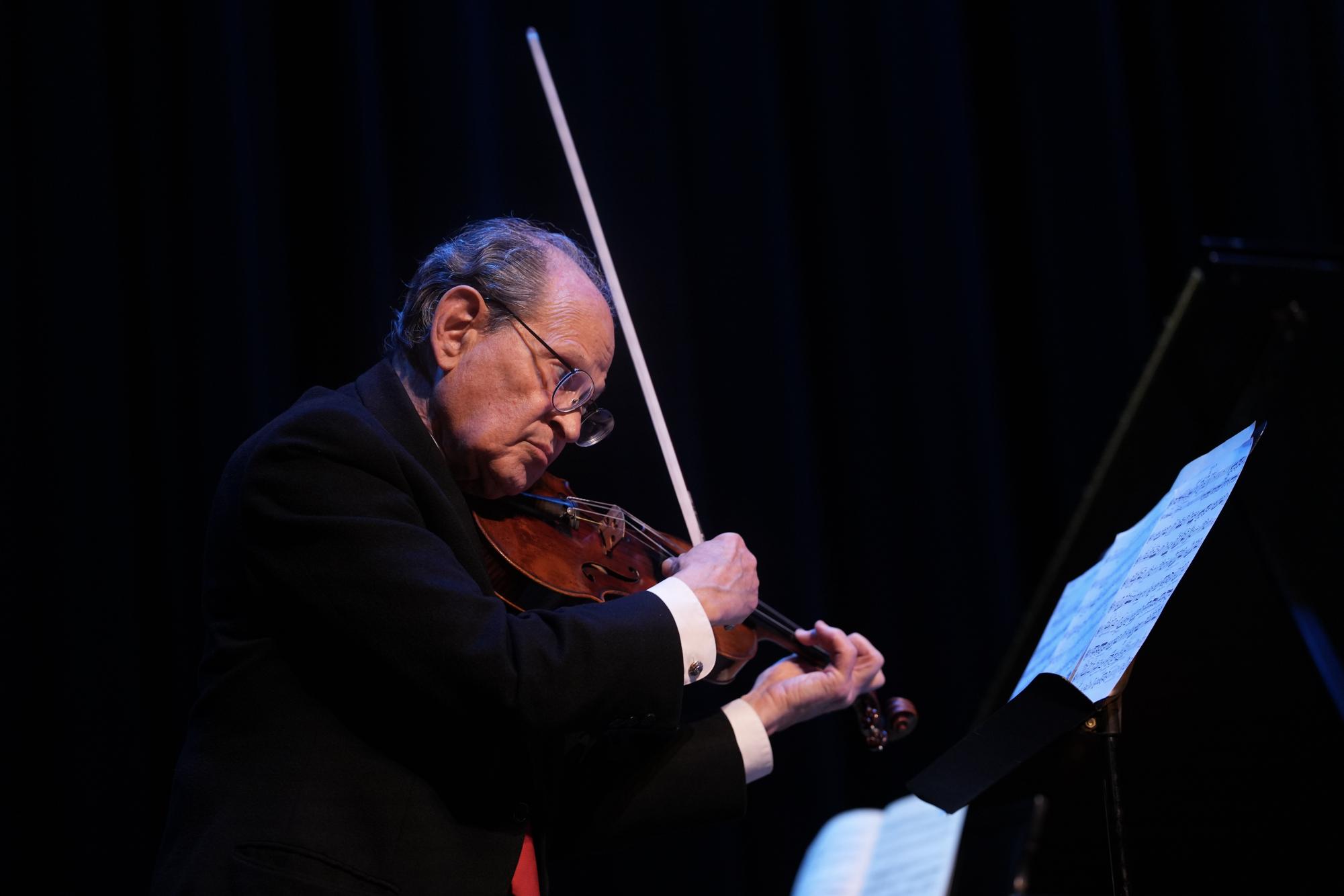
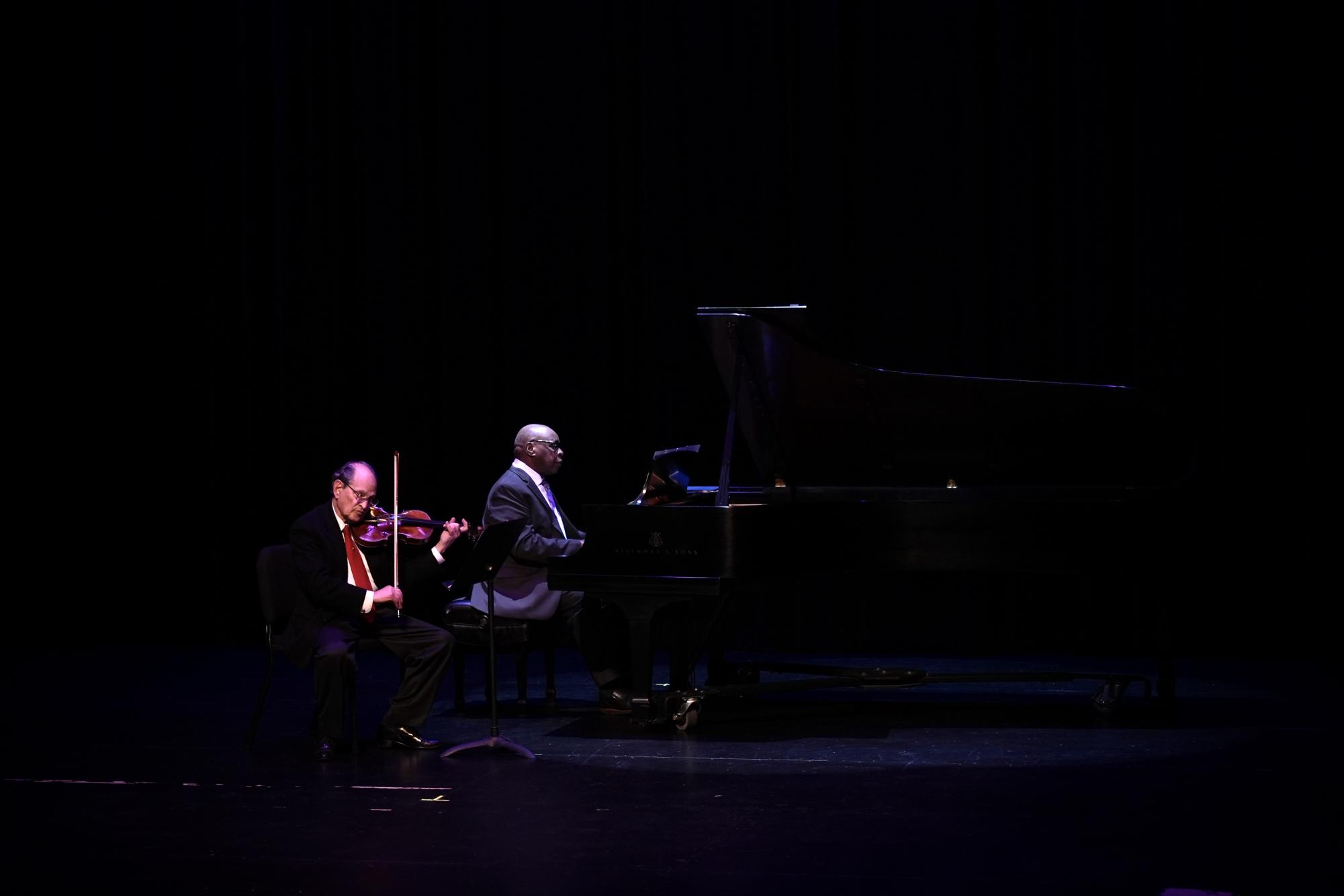
Blake and violinist Joe Gold played both whimsical and stirring regional songs for students and donors to wrap up the year’s fundraising.
“(Of) all of the wonderful artists and the musicians in the world, they keep inviting us back,” Blake said of the event’s organizers. “But anyway, we’re grateful.”
Gold and Blake first duetted “Sonata VI in E Major” by composer George Frideric Handel.
The piece shifted from a lively, jaunty rhythm to a slower, somber pace and back to its original spirited tune.
Of the big three Baroque composers, the other two being Johann Sebastian Bach and Antonio Vivaldi, master of ceremonies for the fundraiser and violinist Debbie Dare, said Handel was a “very well-traveled composer” who “began in Germany, continued his education in Italy, and flourished in England.”
Gold and Blake played the third movement twice, the first time as composed and the second time with a Baroque-era variation technique.
“It’s like an opera aria in miniature,” Gold said.
Dare introduced Hubert Léonard’s suite of five “Scenes Humoristiques” or “Humorous Scenes” in English .
Gold said “the mood has changed completely” from the previous “serious” compositions to these “silly” songs.
Before starting the suite, Gold muted his violin’s strings to musically mimic animal sounds such as a rooster crowing, later using the technique in “I Hahn und Hennen” or “Roosters and Hens,” a piece with a quick, light and cocky melody.
In “III Chatte et Souris” or “No. 3 Cat and Mice,” Gold draws out the meowing of a cat on his violin strings, as the cat and mouse scamper up and down the dynamic tempos.
“He (Léonard) invents the most imaginative and evocative sounds of nature,” Dare said. “Here, magic doth prevail.”
Blake performed a piano solo of “Canción y Danza VI” or “Song and Dance No. 6,” by Spanish composer Federico Mompou.
“There are not a lot of well-known Catalan composers,” Blake said. “I’m playing this for the students who are going abroad (to Barcelona, in the Catalonia region).”
Mompou alternates between the “canción” portions, which reflect a serious, somber tone in a minor key, while the “danza” sections are joyously energetic in a major key.
Robert “Bob” David Siegel, donor and Stanford professor, said the concert’s small audience made it more personal.
“It was almost like having your own chamber concert,” Siegel said.
Swensson said that though fundraising is year round, donors, with “no ask whatsoever,” donated two more $2,000 checks after learning special $2,000 scholarships allowed two 2025 Study Abroad students to join despite last-minute financial hurdles.
This summer quarter, students taking certain integrated English and humanities classes will spend three weeks in Barcelona, with lectures incorporating Spanish immersion, city life and AI tools.
“We have some very generous people here and wonderful friends of ours,” Swensson said. “The best study you’ll ever do is what you do overseas.”